Hydrogen Production Milestone: QIMC Records 30% Natural H₂ at Bennett Hill
QIMC’s Bennett Hill drill hole DDH-26-05 yielded a record 30% natural hydrogen at 413 metres, highlighting a potentially mobile subsurface H₂ system as part of its R2G2™ exploration framework.
Have you ever thought about the possibility of hydrogen just bubbling up from the earth, no electrolysis needed? That’s exactly what Québec Innovative Materials Corp. (QIMC) is investigating with their Bennett Hill Natural Hydrogen Project in Nova Scotia. Just this month, they hit a major milestone: a whopping 30% hydrogen concentration found at a depth of 413 meters in their diamond drill hole DDH-26-05. This discovery adds to the growing interest in natural hydrogen exploration, suggesting that deep geological processes could be providing us with a clean energy source right from the ground.
Digging for Hydrogen
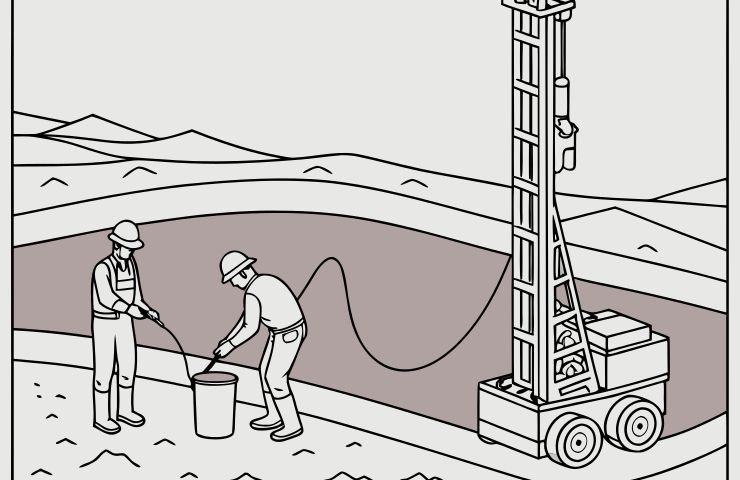
Now, when most people think of hydrogen production, they picture electrolysis and renewable energy sources. Not QIMC, though. They’re digging deep beneath the waves of the Bay of Fundy in the Advocate region, where the complex layers of ancient faults create an intriguing underground landscape. Instead of using fracking, their team employs conventional diamond core drilling methods to extract rock samples and analyze the gases that come bubbling up with the drilling fluid. They’re on the lookout for structural traps and fault systems that could act like highways for hydrogen created by chemical reactions between iron-rich minerals or water and rock at those deep levels.
Mud-Gas Sampling in Action
During their drilling between 368 and 413 meters in DDH-26-05, QIMC has been busy with systematic mud-gas sampling, using tools like IsoJar containers and the EAGLE II gas analyzer. This technique captures gases from the drilling fluid and provides near real-time data on its composition. Out of the twelve samples taken in that section, nine had more than 20% hydrogen, with one sample reaching that impressive 30% at 413 meters. On top of that, they found traces of methane at 0.0% and CO₂ below 0.1%, which signals a pretty clean hydrogen signature.
But hold on—it's worth mentioning that these are preliminary figures. QIMC reminds us that mud-gas measurements can be influenced by things like drilling conditions and how the samples are handled. While these readings are helpful, they don’t replace the need for more formal flow or pressure tests—they’re just a good starting point for pinpointing where hydrogen might be most concentrated.
Why Natural Hydrogen?
So, what’s the deal with natural hydrogen? Unlike the green hydrogen we get from electrolysis, this “white” hydrogen is produced through chemical reactions underground, like serpentinization, which happens when water interacts with iron-rich minerals far below the surface. These processes can create pockets of hydrogen that make their way along faults and fractures, sometimes surfacing unexpectedly. For a long time, explorers have noted high levels of hydrogen in mines and gas wells but didn’t really chase it down as a resource. Recently, though, there's been a shift in the conversation, with hydrogen energy news focusing on these seeps as potential low-carbon options for energy production.
A Structural Blueprint: R2G2™
So, how does QIMC know where to dig? They rely on their unique R2G2™ (Reactivated Rift and Graben Geostructure) framework, developed alongside the Institut national de la recherche scientifique. This model combines regional geophysics, structural mapping, and historical data from wells to highlight areas where reactivated rift and graben systems exist. These zones can form fractures and faults that may act like underground pipelines for hydrogen produced naturally. For their Bennett Hill site, this model led them to drill into an altered, graphitic siltstone section, where signs of hydrogen concentration are now clear.
Gas Mobility and Next Steps
Just below the mud-gas sampling zone, the drillers observed some exciting stuff—a pressurized gas reaching the surface and triggering hydrogen alarms between 413 and 416 meters. When the drilling paused, gas pressure built up, then released again when water circulation started up again. While QIMC points out these observations don’t stand in for a full reservoir deliverability test, they give a good hint about gas mobility along the naturally permeable paths they’re investigating.
Looking ahead, QIMC plans to tweak their drilling setup so they can safely handle those pockets of pressurized gas and use downhole equipment to measure pressure and flow. These steps could open the door to a pilot-scale project, where they’ll be able to measure sustained gas flow rates and reservoir pressures—key indicators of potential.
Environmental and Safety Considerations
Drilling for natural hydrogen may sound less intense compared to high-pressure fracking, and at Bennett Hill, QIMC isn’t employing reservoir stimulation techniques. However, there are still risks involved. Hydrogen has a wide flammability range, and even a small leak could present dangers. Plus, unintentional changes in ground pressure might lead to minor seismic activity, so there’s a lot of care needed to manage any gases produced or losses of drilling water to protect the groundwater. As they refine their R2G2™ framework, QIMC is also developing protocols to uphold well integrity and on-site monitoring, ensuring that any pilot initiatives stay in compliance with strict environmental regulations.
Market and Investor Perspective
High hydrogen readings often catch the eye of investors—let’s face it, a 30% hydrogen concentration from a modern drill hole is hard to overlook. QIMC’s announcement aligns with similar exciting milestones in the industry, where preliminary findings can raise share prices and fuel new financing opportunities. Yet, folks in the know warn that exploration is just the start. Without solid flow rates and reliable reservoir volumes, all that initial excitement could fade. By laying it all out there regarding their preliminary status, QIMC aims to strike a balance between being transparent and keeping market excitement alive as they gear up for the next drilling and testing phase.
Policy and Global Context
The exploration of “white” or natural hydrogen is still in its early days, and regulatory frameworks are just beginning to take shape. The Bourakébougou field in Mali stands as the only sustained producing site, with finds in places like Albania, Kansas, and France demonstrating nature’s knack for generating high-grade hydrogen. Governments are catching on, too. Québec’s Bill 17 now supports pilot projects under the province’s energy storage and pipelines act, while South Australia has started regulating natural hydrogen under its petroleum laws, and Western Australia is following suit with similar updates. These initiatives are aiming to balance resource development while keeping environmental protections in mind, creating a clearer legal landscape for companies like QIMC as they push forward.
Looking Ahead
This ongoing exploration in Nova Scotia provides a fascinating look at how hydrogen production could evolve beyond traditional methods like electrolyzers. If pilot-scale tests confirm consistent flow rates and manageable environmental impacts, geological hydrogen could work alongside green hydrogen production facilities—helping us cut down on the need for renewable electricity, water, and energy for compression. There’s also the potential for partnerships with utility companies looking for long-term storage solutions or industrial players searching for low-carbon feedstocks. For communities in eastern Canada, success at Bennett Hill could trigger the birth of a brand-new local energy sector, tapping into deep geological resources instead of just relying on surface renewables.
In the next few months, everyone’s eyes will be on QIMC as they conduct pressure tests and share any updates on sustained gas flow—key indicators that will shape the role natural hydrogen could play in a clean energy future.