Hydrogen News: VVTA Begins Phased Rollout of Fuel Cell Buses on High Desert Routes
VVTA has launched 13 New Flyer Xcelsior CHARGE FC™ hydrogen fuel cell buses powered by Ballard FCmove-HD+ engines, rolling them out across urban, rural and long-distance High Desert routes as part of its plan for a 100% zero-emission fleet by 2035.
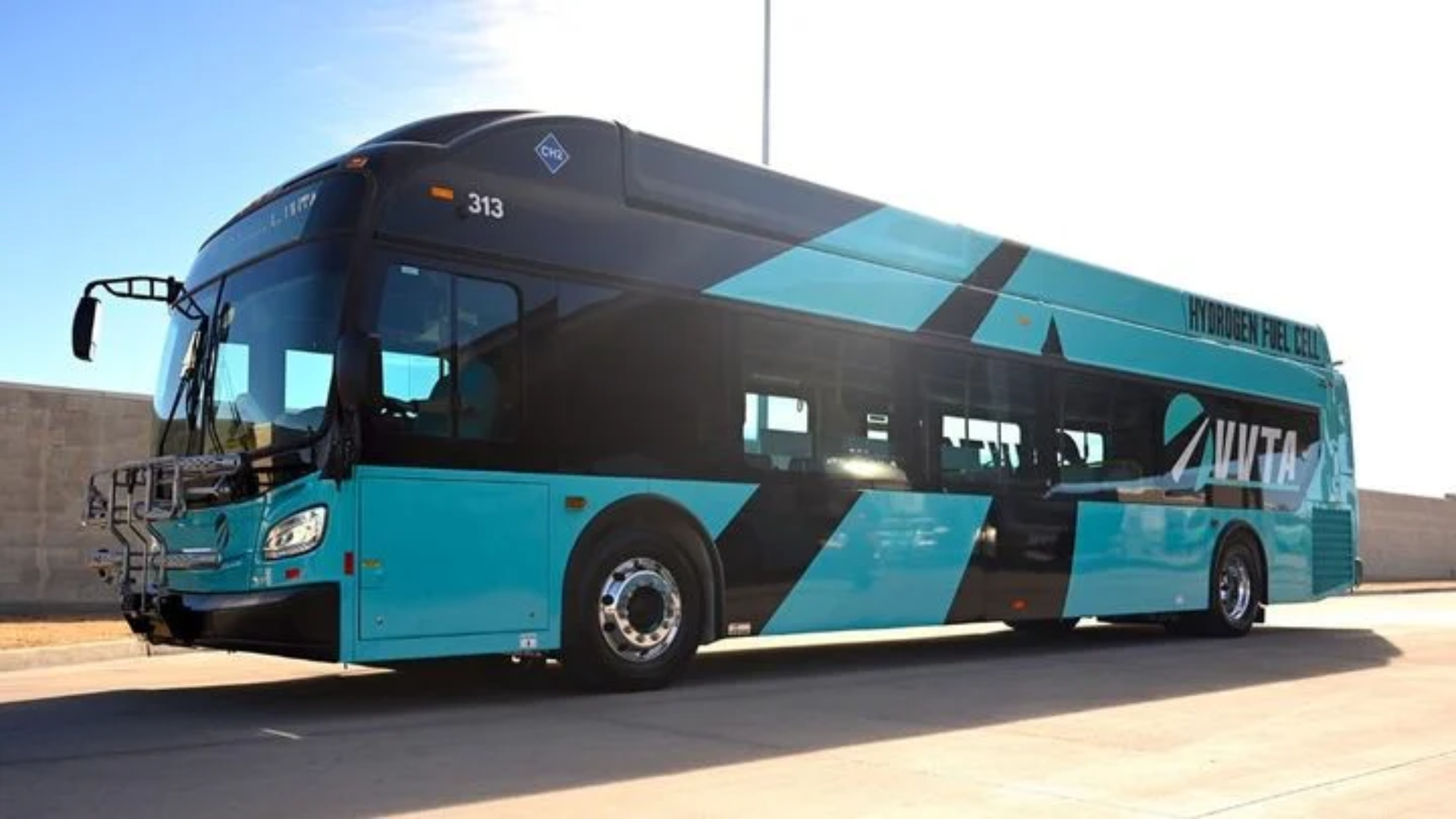
In the latest hydrogen news, California’s Victor Valley Transit Authority (VVTA) is adding 13 new hydrogen fuel cell buses to their fleet in the High Desert. This initiative is a key part of their ambitious plan to achieve a 100% zero-emission fleet by 2035, showcasing a commitment to embracing zero-emission technology in public transport. The launch follows an event earlier this year, where they showed off the sleek New Flyer fuel cell models, complete with shiny new branding and a mobile fueling unit from Linde.
VVTA started out as a Joint Powers Authority back in the early '90s, and today, it’s serving both urban and rural communities, including places like Victorville, Hesperia, Apple Valley, Adelanto, and Barstow. Together, they transport over a million riders each year, making VVTA the second-largest transit operator in San Bernardino County. They offer a mix of services, ranging from fixed routes to commuter options and even microtransit. In 2015, they expanded their operations by absorbing Barstow Area Transit, which strengthened their role in the region.
Why Hydrogen in the High Desert?
There’s a mix of policy and unique geography at play here. California’s Innovative Clean Transit rule mandates agencies to increase the number of zero-emission buses they purchase—from 25% of new vehicles recently to a whopping 100% by 2029. They’re also expected to fully decarbonize their fleets by 2040. VVTA is taking this a step further with an internal goal to achieve zero-emission operations by 2035. They have even adopted resolutions to explore both battery-electric and fuel cell options.
But the High Desert isn’t an easy place for battery electric buses. The scorching temperatures that often climb above 100°F, steep inclines, and daily routes nearing 200 miles can really take a toll on battery performance and scheduling. That’s where fuel cell technology comes into play. It provides a range that rivals diesel, refuels in just a few minutes, and runs without producing any emissions—perfect for VVTA’s reliability and environmental needs.
From Pilot to Phased Rollout
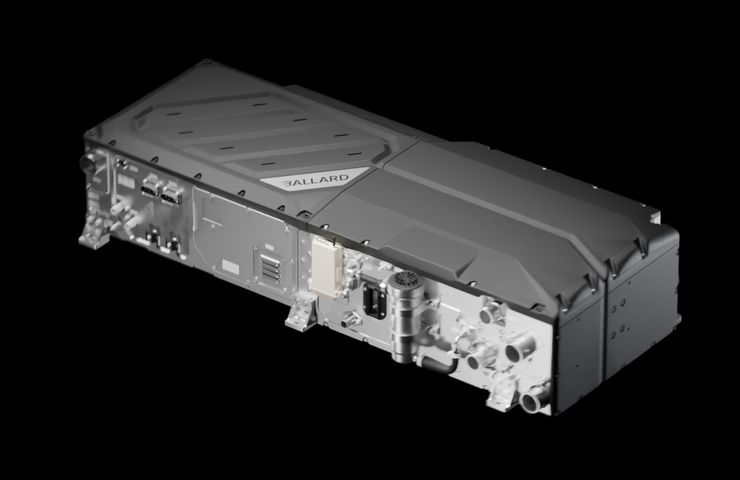
This month, the VVTA is rolling out 13 New Flyer Xcelsior CHARGE FC™ buses, powered by Ballard FCmove-HD+ 100 kW fuel cell engines. Instead of deploying the whole fleet at once, they’re gradually introducing them across various routes, including Route 15, which connects Victor Valley with San Bernardino and California State University, San Bernardino. This staggered launch allows VVTA to fine-tune fueling logistics, maintenance schedules, and staffing before ramping up to full-scale operations.
Building the Fueling Network
Every hydrogen bus needs a smart fueling plan. VVTA is starting off with a mobile gaseous hydrogen fueler from Linde, turning the Victor Valley Transit Center into a temporary fueling station. Drivers can fill tanks in under ten minutes—similar to diesel but way cleaner and quieter. Plus, plans are in the works for a permanent hydrogen station in Hesperia, designed by Love’s Alternative Energy. This station aims to feature liquid hydrogen storage and several dispensers, working hand-in-hand with an evolving network of hydrogen infrastructure in Southern California.
How Fuel Cell Buses Propel the Transition
A hydrogen fuel cell bus combines high-pressure storage with a proton exchange membrane stack and an electric drivetrain. The tanks on the roof feed hydrogen into the stack, where a nifty electrochemical reaction splits molecules into protons and electrons. Those electrons power a traction motor, while protons combine with oxygen, releasing only water vapor as a result. Throw in a small battery to manage peak loads and capture braking energy, and you’ve got a quiet, emission-free ride that can go the extra mile.
Early Ripples in Desert Service
As VVTA rolls out these buses, they’re closely monitoring key metrics like range per fill, hydrogen consumption, maintenance needs, and rider feedback. Operators are keenly observing how heat affects fuel usage and how well the powertrain handles those steep grades. Passengers are already enjoying a smoother and quieter ride, while the staff appreciates the cleaner filling process—no diesel fumes or loud pumps, just a gentle hiss of hydrogen being pumped in.
Funding the Shift
Alright, let’s talk dollars. Hydrogen buses do have higher upfront costs and fueling expenses when stacked against diesel or many battery options. To help with that, VVTA is tapping into a mix of funding sources, including incentives like CARB’s HVIP vouchers, state low-carbon grants, and federal transit funds. These programs can significantly cut the cost of each bus, making green hydrogen production and efficient hydrogen storage more appealing.
Lessons from Two Decades of Trials
This isn’t the first time around the block for VVTA. Agencies like AC Transit and SunLine have been testing fuel cell buses and fueling stations since the 2000s, ironing out hiccups from nozzle freeze-ups to stack durability. Today’s Ballard modules learn from that history, offering improved reliability and efficiency in real-world scenarios—valuable insights that are now being leveraged in the High Desert's tough conditions.
Balancing Batteries, Hydrogen, and Beyond
For many transit agencies, the future of zero-emission vehicles is likely going to be a mix. Battery electric buses excel in short, flat city routes, while hydrogen buses are ideal for long-haul services with heavy demands. Over time, VVTA may tweak their strategy, explore onsite electrolysis to cut emissions, or even pair solar solutions with fueling stations for enhanced sustainability.
Looking Down the Road
VVTA’s gradual rollout of hydrogen buses poses important questions for the wider community. Will these fuel cell buses be cost-effective in the long run? How fast can production and supply chains drive down the costs associated with infrastructure? And can hydrogen’s lifecycle emissions keep pace with the promise of zero tailpipe outputs? The answers lie in VVTA’s ongoing data tracking, and as more advancements in hydrogen production methods and station designs emerge, the outlook looks hopeful.
Riding one of these quiet, emission-free buses through the scenic High Desert feels like stepping into the future. It’s a vivid reminder that with the right mix of policy, partnerships, and perseverance, hydrogen infrastructure can transform public transit and give communities a breath of fresh air.