Hunan Province in China Launches Multi-User Green-Electricity Direct Connection Policy
Hunan’s provincial body has rolled out a framework for multi-user green-electricity direct connection, prioritizing computing, green hydrogen, ammonia, and methanol sectors via dedicated infrastructure.
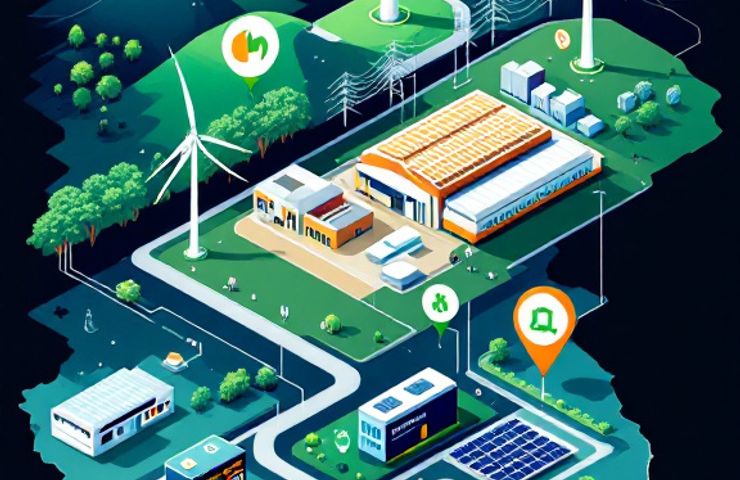
Hunan Provincial Development and Reform Commission recently rolled out a fresh framework aimed at boosting green electricity projects across Hunan Province (China). The policy allows wind, centralized solar, and biomass generators to supply power directly to multiple users through dedicated lines and substations. Eligible offtakers include industrial parks, zero-carbon areas, energy-intensive enterprises, exporters seeking to cut their carbon footprints, and members of those firms' supply chains. The framework singles out computing-power facilities and the green hydrogen, green ammonia, and green methanol sectors for particular attention. It is presented as part of a wider national push for multi-user direct connections and is aligned with Hunan’s hydrogen development plan and a three-year action roadmap.
A Clear Path for Multi-User Direct Connection
The framework sets out a repeatable model for multi-user direct connections. Renewable generators are to establish a clear boundary with the public grid in a connected configuration. At that interface, responsibilities such as metering and balancing are defined. Off-grid configurations are treated differently. Those projects must ensure supply reliability by relying on on-site generation, energy storage solutions, and flexible demand management. Every user interface requires hourly metering of generation, imports, exports, and consumption. That hourly data creates a transparent basis for allocating green power across multiple users. The policy also dovetails with China's green-certificate system, so traceability is applied under the specified metering and green-certificate procedures. By standardizing project management from design through operations, the framework aims to reduce regulatory and commercial uncertainty for developers, operators and regulators alike.
Championing Green Hydrogen, Ammonia, Methanol, and Computing
Electricity sits at the center of several low-carbon industries, and the policy places those industries at the front of the queue. Green hydrogen producers, for example, may connect electrolyzers to adjacent renewable sources so that the electricity used for water electrolysis is both reliable and, where possible, competitively priced. That green hydrogen can subsequently supply green ammonia and green methanol manufacturing processes, as described by the sources. Co-locating generation, electrolyzers and chemical plants may reduce transmission losses while increasing the utilization of variable energy outputs. Hyperscale data centers and other computing-power facilities are highlighted as potential beneficiaries, securing more stable and predictable access to green power that can support their sustainability commitments.
Connecting Renewable Supply with Industrial Demand
The policy responds to long-standing transmission and siting issues by locating renewable resources where demand is concentrated. Industrial parks, zero-carbon zones, and exporters with heavy power needs are now candidates for dedicated infrastructure that links them closely with nearby generators. That proximity can reduce losses and provide a firmer connection between supply and demand. The requirement for hourly matching and traceability ties local consumption to China’s green-certificate market, enabling firms to validate low-carbon claims for domestic compliance and international customers. In short, the framework aims to improve grid absorption flexibility while meeting industry needs for verifiably low-carbon electricity.
Technical and Operational Considerations
Turning the framework into operational projects demands several technical capabilities. Energy storage systems will be essential to smooth out the variability of wind and solar. Advanced forecasting tools and coordinated control platforms are also identified as necessary for managing fluctuating output. Electrolyzers must be able to operate under variable supply conditions, and ammonia and methanol plants will need buffer strategies to maintain continuous operations. The framework calls for detailed metering, flexible load arrangements, and unambiguous rules on imported or grid-supplemented power so allocations among users remain fair. The Hunan Provincial Energy Administration is assigned a key role in vetting which resources are eligible—such as new wind and centralized solar—and in ensuring projects conform with provincial energy development plans.
Strategic Significance and Challenges Ahead
The province’s move builds on national-level guidance. After a single-user direct connection framework from central authorities, follow-up rules now broaden eligibility to multi-user projects and identify computing, hydrogen, ammonia, and methanol as priority sectors. Hunan is aligning this provincial framework with its existing hydrogen industry development plan and a three-year action roadmap. While the policy sets a clearer path for greener hydrogen production and cleaner chemical outputs, it does not constitute a project announcement. Success will depend on securing necessary approvals, suitable site conditions, workable financing models, and sufficient market demand for premium green products. The real question is how quickly developers may translate these policies into actual capacities and outputs.
Measured outcomes will determine the framework’s real significance. Key indicators will include how much green electricity is connected, the tons of hydrogen produced, and the number of industrial partners that sign clean-power offtake agreements. Hunan’s framework offers a blueprint that could be replicated in other provinces across China. By aligning renewable supply more closely with industrial demand, the policy seeks to support growth in low-carbon fuels and digital infrastructure—and to help Hunan, and potentially China, advance in the energy transition.