Clean Hydrogen News: Industry Coalition Urges EU to Keep Binding RFNBO Targets Beyond 2030
Industry players across Europe have urged the European Commission to extend binding RFNBO hydrogen targets beyond 2030, warning that rolling back mandates would undermine investment and risk stalling hydrogen infrastructure and production plans.
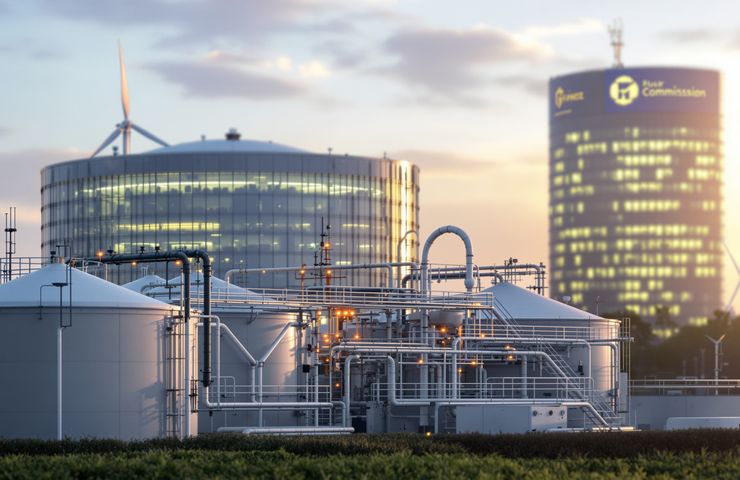
This month, a coalition of 170 companies linked to the energy sector reached out to the European Commission, requesting that they maintain the binding Renewable Fuels of Non-Biological Origin (RFNBO) hydrogen mandates for both transport and industry beyond 2030. This effort was led by Hydrogen Europe, an association based in Brussels that represents over 600 players in the hydrogen and fuel-cell value chain. They sent their message straight to President Ursula von der Leyen, Executive Vice-President Teresa Ribera Rodríguez, and Commissioner Dan Jørgensen. The coalition argues that keeping these targets in place is crucial to fostering investment stability and protecting the projects and contracts already in development.
As it stands with the revised Renewable Energy Directive (RED III), EU member countries need to ensure that RFNBOs make up at least 1% of all transport energy by 2030. Additionally, there's a goal for RFNBO hydrogen to constitute 42% of industrial hydrogen use by that same year, increasing to 60% by 2035. These requirements are intended to boost the demand for green hydrogen and other related fuels in industries where direct electrification is pretty tricky—think about processes in chemicals, refining, steel production, shipping, and aviation.
The push for renewable hydrogen in Europe has gained steam since the adoption of the European Green Deal and the EU's hydrogen strategy back in 2020. Add in the REPowerEU initiative, which aims for 10 million tonnes of domestic renewable hydrogen production and the same amount in imports by 2030, and you can see why the pressure is on. When RED III was implemented, it brought in those all-important binding demand targets for RFNBOs and delegated acts outlining the sustainability and renewable electricity sourcing rules. This swift policy change led to a flurry of project announcements but also spotlighted challenges like high energy costs, supply chain hiccups, and regulatory complexities.
What Is RFNBO Hydrogen?
So, what exactly is RFNBO hydrogen? It's produced through a process called water electrolysis that splits water into hydrogen and oxygen using renewable electricity. To fit under the EU's RFNBO guidelines, that power has to come from new or additional renewable sources and adhere to strict requirements on timing and location, ensuring that it truly delivers lifecycle emissions savings compared to fossil fuel alternatives. The hydrogen that's produced can either go directly to industry or be transformed into derivatives—like ammonia, methanol, or synthetic kerosene—and integrated into a broader hydrogen infrastructure that includes everything from compression and storage to pipelines and refueling stations.
However, the coalition is sounding the alarm that rolling back these mandates could trigger wider disruptions in the market. Many early investors have already signed multi-year power purchase agreements and clean hydrogen offtake agreements, with some projects currently under construction or already in advanced permitting stages. Without a clear framework for after 2030, financing could get tangled up, and planning might fall apart.
Targeted Sectors and Demand Signals
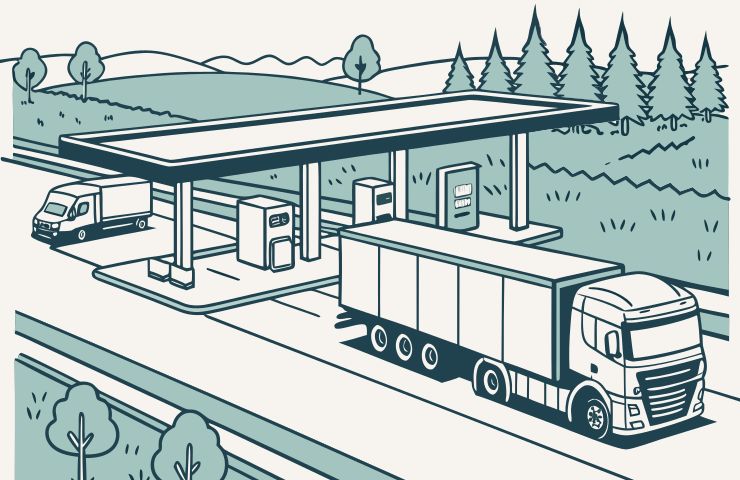
In transportation, RFNBOs are set to achieve a 1% share of all energy supplied in road, rail, and maritime transport by 2030. This benchmark is intended to jumpstart the rollout of hydrogen refueling stations and the evolution of hydrogen vehicles. For industry, RFNBO hydrogen needs to play an increasing role as a feedstock and process fuel in sectors like steelmaking, refining, and chemicals. These mandates are designed to create an ecosystem where hydrogen production, storage, and distribution grow together, which should lower costs as we learn and improve over time.
The letter highlighted estimates—attributed to the coalition—that indicate over €15 billion has already been locked in for end-use hydrogen applications. Additionally, there’s another €50–60 billion in potential investment opportunities linked to meeting the current 2030 targets, alongside projections of around 30 million tonnes of possible annual CO₂ savings. While those numbers showcase the economic scale at stake, it's worth noting that they're estimates from within the industry rather than externally verified figures.
Producing hydrogen through water electrolysis does require a lot of energy, and the price of renewable electricity is a major player in this game. Challenges like high energy prices, equipment costs, delayed permitting, and limited hydrogen storage and pipeline capacity are all hurdles to address. If RFNBO hydrogen stays pricier than its fossil fuel counterparts, compliance might depend on public support mechanisms or innovative contract setups that secure revenue over longer timeframes.
Industry collaborations like the Hydrogen Council—a global CEO-led advocacy group—are working alongside Hydrogen Europe to push for hydrogen deployment. While not all 170 companies that signed on are part of the Council, this coalition brings together producers, tech providers, infrastructure operators, utilities, transport companies, and investors. For everyone involved, having clear direction post-2030 is vital for securing financing, ramping up electrolyser deployment, and encouraging advancements in systems like proton-exchange membrane and solid oxide.
Tools for Compliance and Market Flexibility
Market participants are looking into solutions like tradable RFNBO certificates, long-term offtake agreements, and targeted renewable electricity tenders to help decouple project readiness from national policy shifts. These tools enable hydrogen producers to monetize the renewable credentials of their output separately while giving industrial customers the flexibility to adjust volumes as both projects and market conditions change. A solid hydrogen infrastructure—ranging from bulk storage solutions to convenient refueling stations—is crucial to support these market-driven strategies and ensure a reliable supply.
Maintaining binding targets will also play a role in EU budget conversations and state-aid discussions. Member States might consider using contracts for difference (CfDs), carbon contracts for difference, or tax incentives to address the cost gap between green and fossil hydrogen. Clear signals for the period after 2030 could help align national recovery and resilience plans with long-term industrial strategies and climate goals.
Balancing Ambition and Reality
The European Court of Auditors has cautioned that the EU might struggle to meet its 2030 renewable hydrogen production and import goals, and they’ve raised questions about the analytical groundwork for these ambitious targets. Independent analyses have pointed out supply bottlenecks, limited electrolyser availability, and the risk of misallocating scarce renewable energy.
Ensuring additionality—that the renewable capacity built for hydrogen production is genuinely surplus to current system needs—is essential for both sustainability and grid balance. Industry groups are advocating for clearer guidelines on where to site electrolysers, more dedicated green power auctions, and coordinated grid planning to ward off congestion and secure a stable transition from power to hydrogen supplies.
The central policy challenge remains: how to create a framework that maintains strong demand signals crucial for attracting investment, while allowing enough flexibility in compliance, prioritizing sectors with the highest impact, and ensuring environmental integrity. Ideas include phased obligations, dynamic target-setting, and integrating RFNBO mandates with broader EU carbon pricing and climate programs.
The coalition’s letter might express what developers are hoping for, but it doesn’t tie the Commission to any specific course of action. EU law stays the same until the framework beyond 2030—often dubbed RED IV—takes shape through formal proposals and negotiations. So far, there hasn’t been a public response to this appeal, leaving some questions open about timing, legal formats, and the balance between ambition and practicality.
As Brussels considers its next steps, the stakes couldn’t be higher. Keeping those binding mandates could speed up the rollout of hydrogen infrastructure—like electrolyzers, storage facilities, pipelines—and encourage advancements in hydrogen carriers and systems integration technologies. On the flip side, overly strict obligations might lead to skyrocketing compliance costs, stranded assets, and a drop in investor confidence if supply and demand fail to hit the mark.
Europe’s hydrogen sector is at a pivotal moment. With RFNBO hydrogen set to play a key role in industrial decarbonization and the shift to sustainable energy, the EU’s policy choices for the post-2030 era will influence everything, from investment to hydrogen storage networks and overall infrastructure. The industry’s appeal highlights a broader conversation: how do we blend ambitious climate targets with economic and technical realities to fuel the next wave of zero-emission technologies?