GMI and eCap Marine Expand Zero-Emission Bulk Carrier Fleet
GMI and eCap Marine team up to expand a zero-emission hydrogen-powered bulk carrier fleet, integrating hydrogen storage and fuel cells to decarbonize coastal shipping and build refueling infrastructure.
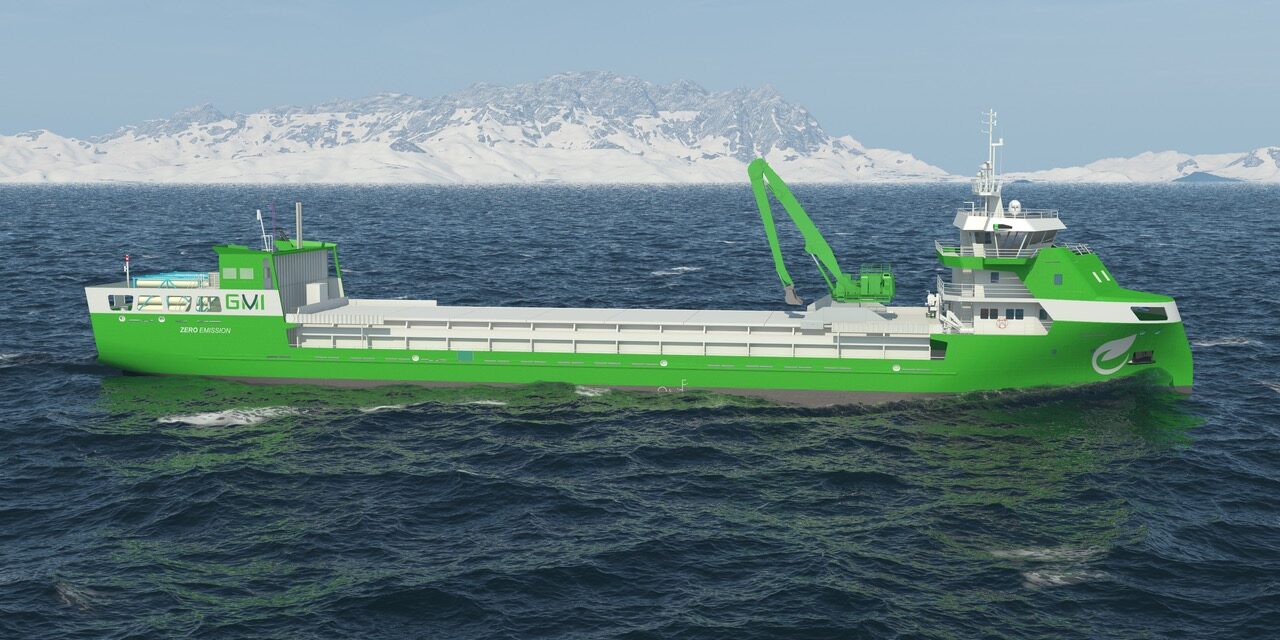
In a major leap toward cleaner coastal shipping, Green Maritime Infrastructure (GMI) has decided to ramp up its green fleet. They've just partnered with German systems integrator eCap Marine to equip two more bulk carriers with cutting-edge hydrogen energy technology. With this expansion, GMI’s fleet now boasts four vessels, all set to carry heavy dry bulk materials like asphalt and gravel along Norway's picturesque coastline. This move aligns perfectly with Norway's ambitious Green Shipping Programme, pushing hydrogen infrastructure development into full throttle and marking a shift from trial runs to full-blown fleet operations.
What’s This Partnership All About?
This partnership builds on a previous phase that saw two ships—each with a capacity of 4,000 DWT—being built at a shipyard in Turkey. These are set to be pioneers as some of the world's first hydrogen-powered bulk carriers featuring more than 3 MW of fuel cell capacity. Now, in this exciting next phase, eCap Marine will bring its innovative eCap H2EPS solution to the table for two new vessels, each 3,000 DWT, being constructed at Chowgule Shipyard in India. The plan includes everything from high-pressure hydrogen storage and proton exchange membrane fuel cells to battery buffering and advanced power management systems. Supported by hefty public grants—NOK 137 million for each ship built in India and earlier funding of NOK 90 million and NOK 85 million for the Turkish ships—this initiative highlights Norway's strategy to minimize the risks associated with launching hydrogen infrastructure.
Simple Tech, Big Impact
The beauty of this technology is in its simplicity and power: compressed hydrogen stored in specialized tanks powers proton exchange membrane fuel cells, which then mix hydrogen with oxygen to generate electricity and water. Within the eCap H2EPS system, a bunch of fuel cell modules churn out about 1.2 MW of continuous power per vessel, supported by a lithium-ion battery that helps manage peak loads and captures energy during deceleration. A central power management unit choreographs fuel cells, batteries, and electric motors to provide smooth thrust and precise speed control. Plus, sensors and safety valves constantly monitor hydrogen pressure, temperature, and ventilation, keeping everything in line with strict maritime regulations. With this setup, we’re looking at zero CO₂ and NOₓ emissions right at the source—making a real splash in hydrogen news and signaling significant progress in hydrogen fuel cell developments.
Notably, the compact design of the hydrogen system saves cargo space and simplifies maintenance by cutting down on moving parts. Forget about those bulky engine rooms jam-packed with complicated gear; this fuel cell setup resides in a dedicated technical room and connects to electric motors through direct drives. Crews experience a quieter working environment, with noise levels slashed by more than half compared to traditional engines. And with remote monitoring tools onboard, the technology supports predictive maintenance, reducing downtime and extending the life of the vessels. It’s a blueprint for the maritime industry—harnessing advancements in hydrogen infrastructure and making green hydrogen production and storage methods truly practical.
Addressing Real-World Challenges
Norway's stunning fjords are home to communities where road access can be tricky, especially during certain seasons, and where clean air is vital for local health, tourism, and fishing. Traditional diesel-powered bulk carriers are a problem here—they emit greenhouse gases, nitrogen oxides, and particulate pollution that linger in the narrow waterways. By switching to hydrogen propulsion, these vessels can wipe out all tailpipe emissions, significantly lowering risks to sensitive ecosystems while improving air quality for towns along their routes. Plus, the reduction in noise and vibration means less disturbance for marine life and passengers on board.
Building an effective hydrogen corridor isn’t just about the ships; there's shore-side infrastructure to consider too. Future bunkering points in Bodø, Kristiansund, and Slagentangen will be equipped with high-pressure compressors, storage solutions, and dispensing arms designed with international safety standards in mind. Local port operators are collaborating with energy providers for a steady supply of renewable hydrogen, leveraging local know-how in terminal operations. Early tests show that transfer rates match those of diesel, keeping turnaround times efficient. As this network expands, it could serve as a model for other nations facing similar geography-related challenges, helping solve real-world issues on a larger scale.
Made in India, Designed for a Sustainable Future in Norway
These two 3,000 DWT ships are set to be built at Chowgule Shipyard, tapping into India's established shipbuilding prowess. Retrofitting production lines to fit hydrogen tank modules and fuel cell technical rooms has involved targeted adjustments and staff training. On the design front, GMI's engineers are collaborating closely with Indian naval architects, fine-tuning hull forms for the best hydrodynamic performance while safely integrating high-pressure tanks below deck. This is a truly global partnership—made in India, tailored for Norway’s future—drawing on the strengths of each participant: Indian shipbuilding capabilities, German system integration expertise, and Norwegian maritime operational excellence.
Positive Environmental Contributions
When powered by green hydrogen generated from renewable energy sources, these new bulk carriers promise to eliminate direct CO₂ and NOₓ emissions along coastal routes. This local zero-emission performance not only improves air quality but also alleviates pressures like ocean acidification and noise pollution in marine environments. Over a typical service year, each hydrogen-powered vessel could prevent thousands of tonnes of CO₂ emissions compared to standard diesel-powered alternatives, aligning perfectly with the project's design goals. As Norway ramps up its electrolysis-based hydrogen plants, upstream emissions will drop, ensuring truly clean hydrogen production.
On the policy front, this initiative dovetails nicely with Norway's national climate aspirations and the International Maritime Organization’s strategy for reducing greenhouse gases. It's paving the way for stricter emissions regulations and setting an example by showcasing hydrogen fuel cells versus battery electric solutions in real working conditions, gathering valuable data for future vessel designs, classification standards, and assessments of fuel cycles.
Boosting Local Economies
This initiative creates positive spillover effects across several economies. In India, shipyard workers are gaining expertise in hydrogen-compatible outfitting and systems integration, while subcontractors providing composite storage tanks are seeing more business. Over in Germany, the eCap Marine team in Hamburg is expanding to bolster engineering, quality assurance, and commissioning efforts. Meanwhile, Norwegian ports are benefiting from infrastructure contracts for compressors, pipelines, and safety equipment, helping to create skilled jobs in construction, operation, and maintenance.
Crew training programs will also introduce seafarers to advanced hydrogen safety protocols, preparing them for future roles on a diverse fleet of zero-emission vessels. Local maritime academies are updating their curricula to include hydrogen handling and fuel cell technologies too. Public funding from Enova and the NOₓ Fund is making these early projects financially viable, encouraging investment in hydrogen infrastructure and project financing.
Looking Ahead
With GMI and eCap Marine scaling up from two concept ships to a fleet of four, they're setting a clear course toward sustainable short-sea shipping. With new bunkering stations popping up in places like Bodø, Kristiansund, and Slagentangen, operators can start planning their routes with plenty of confidence. In the future, whether it’s bulk carriers, container ships, or passenger vessels, we could see similar hydrogen power systems being adopted, amplifying the impact of green hydrogen production and storage methods. By tackling real-world challenges through collaborative innovation, this partnership is steering the maritime sector toward a cleaner, brighter future.