Hydrogen Leakage Could Undermine Climate Benefits, Study Warns
Hydrogen may not be as climate-friendly as it seems—new EU research shows leaks from its supply chain could emit up to 1.5B tons CO₂e per year by 2050, altering the role of hydrogen in clean energy transitions.
New research out of Europe, including work by Politecnico di Torino and CICERO, is raising some serious questions about hydrogen’s “green” credentials. Turns out, hydrogen could actually end up adding between 726 million and 1.5 billion tons of CO₂-equivalent emissions per year by 2050—if we don’t get a handle on leakage across its supply chain. And that could throw a wrench into the idea of hydrogen as a cornerstone of sustainable energy.
Key Findings from the HYDRA Project
- Hydrogen leaks are happening all along the line—from hydrogen production to storage, transport, and final use—causing indirect greenhouse gas emissions on a massive scale.
- Right now, it's estimated that about 1.3 million tons of hydrogen leak into the atmosphere each year. And that number’s only expected to grow as global hydrogen infrastructure ramps up.
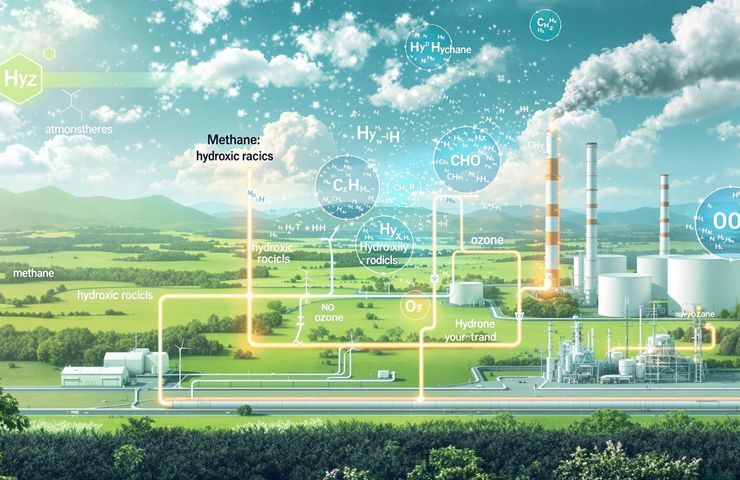
- Hydrogen leakage messes with our atmosphere’s delicate chemistry, interfering with hydroxyl radicals that help break down greenhouse gases like methane—this leads to more ozone, longer-lived methane, and extra stratospheric water vapor, all of which accelerate warming.
- If these leaks continue unchecked, the result could cancel out a big chunk of the benefits green hydrogen is supposed to deliver.
The report comes from the EU-backed HYDRA project, a four-year effort pulling together top minds from across the continent. It’s the most comprehensive attempt so far to model what happens when hydrogen starts slipping through the cracks.
Zooming In: Where the Leaks Happen
Not every part of the hydrogen value chain is equally leaky—but some areas are more problematic than others. According to the study:
- Electrolysis, a key part of green hydrogen production, can leak anywhere from 1% to 4% depending on how the system is set up.
- Liquid hydrogen storage and handling is another hot spot, with leakage rates approaching 10% in some situations.
- Transport—especially through pipelines or in tankers—can also be a weak spot due to the difficulty of leak detection on the move.
Although these numbers come from peer-reviewed research, scientists caution there’s plenty of variability depending on where and how the tech is deployed. Still, even low-level leaks can have major climate consequences over time.
Business and Policy Implications
This isn’t just a science problem—it has real-world impacts on business planning and public policy. With hydrogen being pitched as the clean energy solution for aviation, heavy industry and long-haul transportation, we now know it comes with a catch: leak too much, and you might be doing more harm than good.
So, what should leaders and investors be thinking about?
- Don’t just assume hydrogen is inherently climate-friendly. Even green sources have a footprint if ignored.
- Put strict leakage reporting and control in place as part of all hydrogen infrastructure projects.
- Be selective about hydrogen’s use—save it for applications with no viable zero-emission alternatives.
- Fast-track development of advanced hydrogen leak sensors. Today’s tech only picks up leaks above 30 ppm, but the climate calls for parts-per-billion accuracy.
Perspective: Policy Needs to Catch Up
Policy has lagged behind optimism. Until recently, the working assumption was that if your hydrogen wasn’t made from fossil fuels, you were in the clear. But the science now says otherwise—even green hydrogen production brings hidden risks unless managed carefully.
As Maria Sand from CICERO puts it, “Hydrogen interacts with the atmosphere in complex ways. We're starting to quantify just how big that impact can be. This shouldn't stall progress—but it should redirect it.”
The challenge? Most of the leak-detection and prevention tools we need either aren’t on the market yet, or haven’t been adopted widely. So we’ll need regulation and R&D to get ahead before hydrogen goes mainstream. It’s a shift from the usual “build first, fix later” model—and frankly, it’s overdue.
Closing Insight
Hydrogen still holds promise within the sustainable energy mix—but it’s clear now: it’s not a magic bullet. To make it work, we need to be smart about how we roll it out and aggressive in tackling its leakage problem head-on.
Bottom line? The road to a clean hydrogen future just got a lot more complicated. But that doesn’t mean it’s a dead end—just that we’ll need sharper tools and better planning to stay on track.