Hydrogen Infrastructure Update: Jacobs Extends Role on Duisburg Direct-Reduction Plant
Jacobs Solutions extends its program and construction management role on thyssenkrupp Steel’s hydrogen DRI plant in Duisburg, a 2.5 Mt/y facility backed by €2 billion in public funding to advance Europe’s industrial decarbonization.
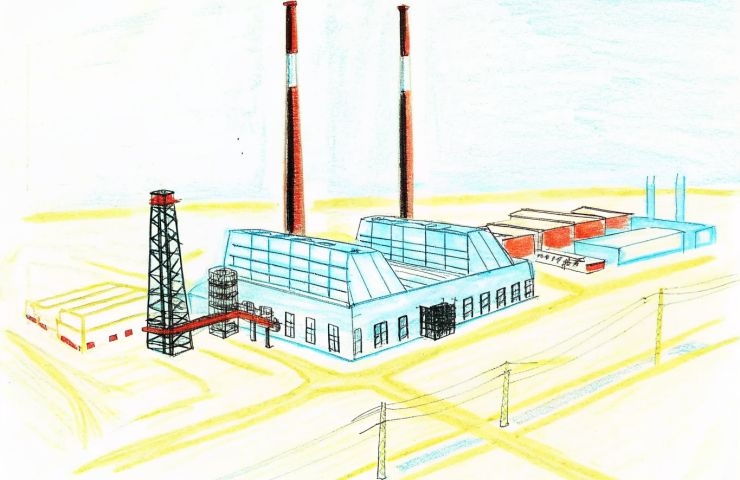
Jacobs Solutions Inc., founded in Pasadena in 1947 and active in engineering, consulting and program management for complex infrastructure and industrial projects, has extended its program and construction management assignment on thyssenkrupp Steel Europe AG's hydrogen-capable direct-reduction plant in Duisburg, Germany, according to the company's September 24, 2026 announcement.
Jacobs was first selected in August 2023 to deliver program and construction management services, Jacobs said. The new extension expands that remit to cover coordination of design, logistics, civil works, quality assurance and material flow onsite to support commissioning activities.
The expanded scope tasks Jacobs with running the project-management office and overseeing civil and structural works. It will supervise assembly execution of reduction furnace modules, handle multidisciplinary contractor interfaces and ensure site health, safety and environmental performance, Jacobs indicated.
Project Overview
The direct-reduction plant forms the core of thyssenkrupp Steel Europe AG's tkH2Steel decarbonization program and is designed for a capacity of 2.5 million metric tons of direct reduced iron (DRI) per year, European Commission documents state. Two integrated melting units are planned to deliver up to 2.3 million tonnes of hot metal annually, the same documents report.
Rather than relying solely on the traditional coal-based blast-furnace route, the facility will substitute part of that process with a hydrogen-based direct reduction process. In this approach, hydrogen removes oxygen from iron ore pellets in a solid-state shaft furnace—often called sponge iron—before transportation to electric melting units, thyssenkrupp Steel Europe AG explains.
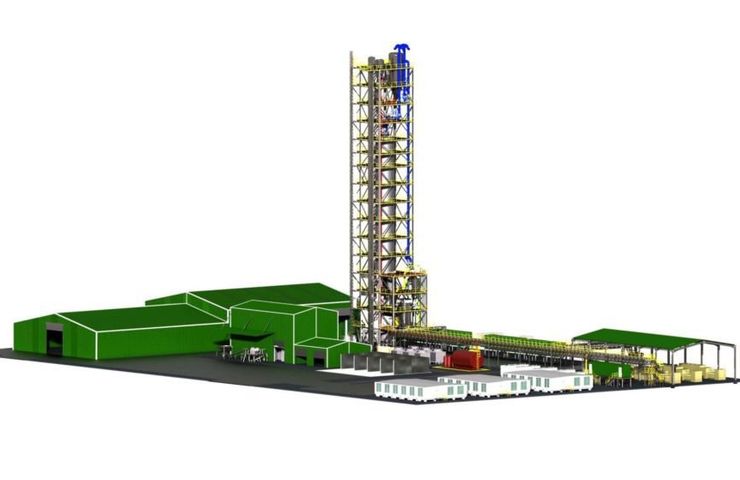
SMS group, as the engineering, procurement and construction contractor, is installing the Midrex direct-reduction technology together with two novel electric melters, thyssenkrupp Steel Europe AG said. Jacobs will continue its coordination role to streamline interfaces and schedules between the parties.
The project aims for commissioning in late 2026, thyssenkrupp indicates. Initial hydrogen use is planned for 2028, with full hydrogen operation expected by 2029 to deliver maximum CO₂ reductions compared with the existing blast-furnace route.
Historic Roots
Steelmaking at the Duisburg works dates to 1891, when the first Thyssen blast furnace began operations, local archives record. Subsequent expansions under the Thyssen and Krupp groups yielded today’s integrated mill, managed by thyssenkrupp Steel Europe AG since the group’s 1999 formation, the company notes.
Local heritage sites at former blast-furnace works such as Meiderich illustrate the Ruhr’s long-running shift from coal-based heavy industry to diversified economic uses, municipal records highlight.
Contractors and Coordination
Jacobs’ on-site team works alongside SMS group, multiple civil contractors, equipment suppliers and assembly crews, Jacobs indicated. Its responsibilities include convening weekly interface meetings, tracking engineering-change protocols, maintaining a centralized risk register and ensuring strict HSE compliance under EU and German regulations.
Assembly management further covers complex metallurgical modules—such as reformer skids, hot-gas filters and high-capacity conveyors—that require tight sequencing to mitigate schedule slippage, Jacobs highlights. Careful sequencing, the company says, is critical to keep the construction timeline on track.
Strategic Significance
This project represents one of Europe’s largest industrial decarbonization efforts, aligning with Germany’s climate targets and the EU Emissions Trading System, industry analysts note. It aims to preserve Duisburg’s historic steelmaking base while establishing new hydrogen infrastructure and low-carbon process capabilities.
Duisburg’s Rhine-Ruhr location provides extensive inland-port terminals, rail connections and river transport for iron ore, hydrogen and finished steel, city sources report. Those logistics advantages support the integrated complex and its supply chains.
thyssenkrupp Steel Europe AG is Germany’s largest flat-steel producer with around 26,000 employees, the company indicates, underscoring its industrial footprint in the Ruhr region.
Public Support
Under state-aid case SA.105244, the European Commission approved up to €550 million in direct grants and a conditional mechanism tied to renewable hydrogen use, European Commission documents show. German federal and North Rhine-Westphalia authorities complement this with a broader support package totalling approximately €2 billion, thyssenkrupp reports.
Regulatory Context
The project operates under the EU ETS Phase IV and may benefit from the forthcoming Carbon Border Adjustment Mechanism, observers explain. These frameworks are designed to price carbon emissions and shield European producers from lower-cost, higher-carbon imports once fully implemented.
Additional incentives—such as the German Carbon Contracts for Difference scheme—could further improve the economic case, regulatory sources indicate.
Market Impact
By supplying DRI with lower process emissions, thyssenkrupp Steel Europe AG seeks to secure offtake agreements with automotive, machinery and energy-equipment manufacturers increasingly mandated to reduce Scope 3 emissions, market analysts say. Forecasts suggest a green-steel premium of 5–10 percent per tonne could emerge under long-term contracts, consultancy reports project.
The scale of this project may also catalyze regional investment in hydrogen production, storage and transport infrastructure, stakeholders note, potentially attracting renewable-energy developers and pipeline operators.
Key Takeaways
- Extension of Management: Jacobs extends its program and construction management role through first-iron production and beyond, Jacobs said, maintaining project momentum.
- Plant Capacity: The facility targets 2.5 Mt/y of DRI and 2.3 Mt/y of hot metal, European Commission documents confirm, replacing part of the blast-furnace route.
- Staged Hydrogen Deployment: Commissioning in 2026, initial hydrogen use in 2028 and full hydrogen operation by 2029, thyssenkrupp indicates, to optimize emissions savings.
- Emissions Savings: Up to 3.5 Mt of CO₂ could be avoided annually under full hydrogen operation, thyssenkrupp estimates, contributing to EU climate objectives.
- Public Funding: Up to €2 billion from EU, federal and state sources supports higher hydrogen and electricity costs, European Commission and German authorities state.
- Hydrogen Supply: Reliable delivery of about 143,000 tonnes of hydrogen per year will require large-scale electrolytic infrastructure, European Commission filings state.
Technical Snapshot
Hydrogen-based direct reduction leverages hydrogen-rich gas in a shaft furnace to strip oxygen from iron ore, yielding solid DRI, OECD research describes. When hydrogen is produced via renewable-powered electrolysis, this route can sharply cut process CO₂ emissions versus coke-based methods.
Midrex technology features a vertical reduction shaft where descending ore contacts ascending hot reducing gas, thyssenkrupp notes. The resulting porous DRI is transferred to electric melting units, fitting within the existing casthouse to produce hot metal.
Integrated melting units use advanced refractory linings and dynamic temperature control to liquefy DRI at around 1,550 °C, European Commission materials explain. Off-gases feed recovery boilers, boosting overall energy efficiency.
Electrolytic hydrogen production will rely on water electrolysis powered by additional renewable electricity. The project documents assume grid upgrades or dedicated renewable generation can support the annual requirement of 143,000 tonnes of hydrogen, European Commission filings state.
Outlook
Parallel hydrogen-based steel projects have been announced across Europe, but Duisburg’s scale, integration with existing assets and substantial public backing set it apart, International Energy Agency analysts observe. Operational performance here may define best practices for retrofitting integrated mills.
While Jacobs’ extended management role underlines construction continuity, the project’s success hinges on securing affordable hydrogen, low-carbon electricity and premium offtake agreements. Stakeholders caution that energy-supply constraints, cost overruns and market risks must be resolved to realize the full climate and industrial benefits.