Hydrogen Infrastructure Takes Shape in Hamburg: Kattwyk Culvert Conversion Accelerates Industrial Decarbonization
Hamburger Energienetze and Gasnetz Hamburg are testing a key natural gas pipeline beneath the Süderelbe river for hydrogen service, fast-tracking Hamburg’s industrial decarbonization through repurposed hydrogen infrastructure by 2027.
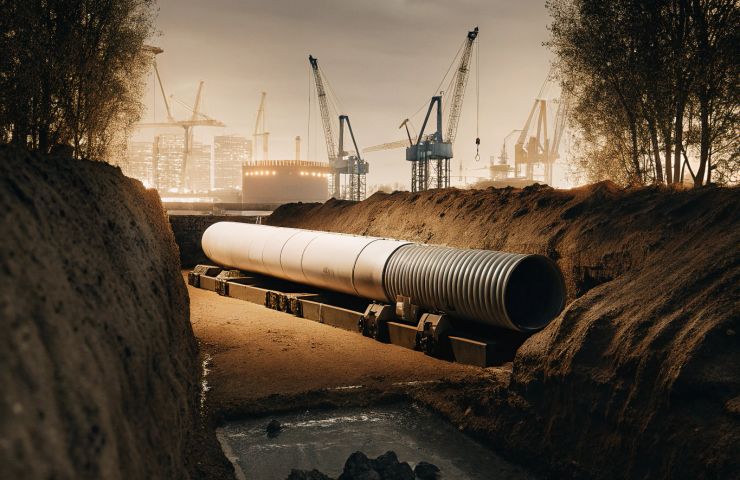
Under the surface of the Süderelbe river, Hamburg is quietly laying the groundwork for a zero-carbon industrial future. Hamburger Energienetze has just kicked off technical trials on a 450-metre stretch of its old Kattwyk culvert—a natural gas line that’s been running for decades—to see if it can handle hydrogen. If everything goes smoothly, one pipe will keep delivering natural gas while its twin carries up to 25 bar of green hydrogen, linking straight into the HH-WIN network by 2027.
Core News Summary
Who: Hamburger Energienetze (part of Hamburger Energiewerke) and sister company Gasnetz Hamburg.
What: Putting an existing gas line under the Kattwyk Bridge through paces to prep it for hydrogen.
Where: Across the Süderelbe, between Moorburg (the old coal-plant site) and Hohe Schaar island in Hamburg.
When: Trials kicked off in mid-2025, with full integration into HH-WIN set for 2027.
Why: To supercharge industrial decarbonization, keep construction disruption to a minimum, and make the most of Hamburg’s existing assets in its shift to sustainable energy.
Technical Deep Dive
Flipping a natural gas pipeline into a hydrogen line isn’t as easy as flipping a switch. Engineers are sending specialized “pipeline pigs”—robotic cleaners loaded with brushes, ultrasonic sensors and magnetic resonance scanners—through the 30 cm steel conduits. They scrub out deposits, measure wall thickness, and pinpoint spots that need extra corrosion protection or steel reinforcement. At the same time, they’re tweaking cathodic protection systems to suit hydrogen’s unique electrochemical behavior, guarding against metal embrittlement over years of service.
Once the checks are all green, one of the concrete-encased pipes under the riverbed will start carrying hydrogen at 25 bar while its twin keeps flowing with natural gas. That way, maintenance can be staggered and the long-term impact of hydrogen on materials can be carefully monitored. These trials follow strict safety rules and feed into Gasnetz Hamburg’s H₂-SWITCH100 programme, which assesses pipeline readiness across the city.
Strategic Angle
Why reinvent the wheel when you can repurpose it? Hamburg’s plan slashes both upfront costs and urban mess by adapting an existing river crossing instead of boring a brand-new tunnel. All the sunk costs in steel, trenching and environmental permits get a second life, freeing up budget to expand the network faster. From a market perspective, it cements Hamburg’s spot as a hydrogen logistics hub—primed to import, produce and distribute green hydrogen to heavy industries around the port.
Regional Context
Hamburg’s industrial roots run deep. The sprawling Moorburg coal plant may be history, but the district is shifting gears toward clean power. The 100 MW Hamburg Green Hydrogen Hub electrolyser—built by Luxcara and Hamburger Energiewerke using Siemens Energy gear—will use electrolysis to turn wind and solar power into hydrogen by 2027. That supply will flow through the revamped pipes, fuel factories on Hohe Schaar and eventually feed a dedicated import terminal, knitting together production, storage and transport into a cohesive hydrogen infrastructure.
Environmental & Economic Impacts
Switching out fossil gas for green hydrogen in steel mills, chemical plants and refineries will drive down CO₂ emissions significantly. Plus, retrofitting existing lines avoids disruptive digging in busy zones—meaning less noise, dust and disturbance for Hamburg’s 1.8 million residents. On the economic front, this project unlocks new service contracts, creates skilled engineering roles and gives rise to a whole ecosystem of hydrogen maintenance and monitoring firms. The real kicker? It offers a ready-made blueprint for other European cities to kickstart their own sustainable energy systems without starting from scratch.
Looking Ahead
Of course, there are hurdles. Hydrogen’s tiny molecules and higher diffusivity mean materials need continuous monitoring for leaks and long-term compatibility. Financing a full city-wide overhaul will require a mix of public grants, private investment and EU funding. But Hamburg’s leaders are betting that early wins at the Kattwyk culvert will build momentum—and draw in the cash—to roll out more pipeline conversions.
By 2027, when HH-WIN flips the switch and the HGHH electrolyser hits full stride, Hamburg will boast a real-world, operational hydrogen infrastructure backbone. It’s a timely reminder that sometimes the fastest route to a carbon-free future is reimagining what we already have, rather than starting from scratch.