Hydrogen Infrastructure Gets a Boost: DB Cargo Unveils MEGC Rail Container for Gaseous H2 Transport
DB Cargo has launched Europe's first 500-bar rail-approved container for transporting gaseous hydrogen, a move expected to accelerate hydrogen infrastructure deployment and industrial decarbonization across the EU.
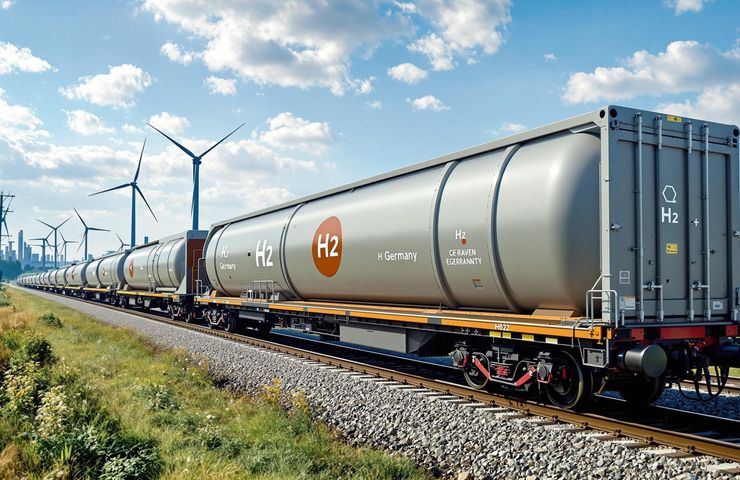
Germany’s largest rail freight operator just pulled off a big move that could give Europe’s clean energy push a serious boost. DB Cargo, in partnership with an international consortium, has unveiled a high-pressure Multiple Element Gas Container (MEGC)—designed specifically for hauling gaseous hydrogen by rail. Revealed at the 2025 transport logistic trade show in Munich, this isn’t just some cool-looking tech—it’s a real-world solution that could help scale sustainable energy across the continent.
Hydrogen’s Rail Moment
So, what’s the big deal? This new MEGC container can transport 1,223 kg of hydrogen at 500 bar, making it the first to get the green light for use on European railways at that kind of pressure. That’s huge. Previous options for moving hydrogen by train just couldn’t keep up—they either didn’t hold enough or couldn’t handle the pressure. This one can, and that changes everything.
Europe’s hydrogen infrastructure has been held back by a lack of pipelines—but now, there’s another way forward. And it’s on wheels. Even before this new container rolled out, DB Cargo was already moving enough hydrogen by train to meet around 20% of Germany’s demand. With this latest innovation, they’re turning things up a notch—right in step with Germany’s national hydrogen strategy and the EU’s 2045 climate neutrality goals.
Why It Matters Now
Let’s face it—industrial decarbonization can’t afford to wait around for pipelines that might be years off. Sectors like steel and chemicals are already hungry for green hydrogen, but getting it to them efficiently has been a pain point. That’s where this new MEGC system steps in. It leverages existing rail networks, hits top safety standards, and delivers fuel straight to the places that need it, without the holdups.
And let’s not ignore the timing. With energy markets still feeling the shockwaves from geopolitical tensions, Europe is rushing to shore up its own clean, independent energy systems. Hydrogen transport is key here—it’s zero-carbon when made renewably, and it can power everything from cars to factories.
Tech That’s Ready to Roll
So, what makes this MEGC setup stand out? Basically, it’s a cluster of high-pressure gas cylinders bundled into a freight-friendly module. DB Cargo’s version upgrades the game with cutting-edge materials and rock-solid engineering that safely contain hydrogen at 500 bar.
The best part? It doesn’t need special trains or awkward workarounds. This container slides right into existing freight operations. And because it’s modular, it supports a more flexible, decentralized approach to hydrogen storage and delivery. We're talking direct-to-site shipments—for example, a steel plant or a hydrogen refueling station—no need for big, centralized distribution centers.
Ripple Effects Beyond Germany
The impact goes way beyond German borders. As one of Europe’s freight powerhouses, DB Cargo is setting a new standard that others are sure to follow. You can bet regulators will take notice, and we’ll probably see similar moves popping up across the EU—and that’s great news for the whole hydrogen ecosystem.
Long-term, we’re looking at fewer diesel freight routes, stronger hydrogen infrastructure, and a big step toward those zero-emission targets on the EU’s roadmap. It's also likely to stimulate further interest in new compressed gas logistics tech, which could spill over into areas like clean ammonia transport down the line.
Where This Goes Next
DB Cargo isn’t just testing the waters—they're already rolling with pilot deployments. What we saw in Munich wasn’t just a flashy demo—it was a clear signal that this tech is ready to hit the tracks commercially. Expect to see it used first in high-demand regions—especially across Germany’s industrial belts where hydrogen production and refueling hubs are popping up fast.
And here’s the kicker—this isn’t some pipe-dream that depends on subsidies or “maybe someday” policies. It’s real, it’s certified, and it’s already in motion. That makes it a much-needed win for a sector that’s had plenty of big ideas but struggled with follow-through when it comes to logistics.
It’ll be interesting to watch how quickly DB Cargo and its partners scale this up and connect with hydrogen transport developers and end users. But one thing’s for sure: this MEGC tech is the kind of practical solution that can finally tie together the loose ends in Europe’s hydrogen economy.
About the Company
DB Cargo, a subsidiary of Deutsche Bahn AG, is the biggest rail freight operator in Europe. The company is leading the charge in sustainable logistics and investing heavily in next-gen solutions, including scalable hydrogen transport and low-carbon freight alternatives that help pave the way for a cleaner future.