Hydrogen Infrastructure: Enagás Strengthens LNG Security and Drives Green Hydrogen Rollout
Enagás has bolstered its role in Spain’s energy system by acquiring a 20% stake in the Saggas LNG terminal and advancing national and cross-border hydrogen pipeline projects, positioning itself at the forefront of gas security and green hydrogen deployment.
There's some exciting buzz in the world of hydrogen infrastructure! Recently, Enagás made a significant move to bolster its natural gas operations while also diving headfirst into the green hydrogen revolution. They grabbed the last 20% stake in the Saggas LNG regasification plant for €31 million, giving them a solid grip on 92.5% of this key facility. This isn’t just about securing gas—it’s a game changer for rolling out a green hydrogen network across Spain and beyond. It’s a smart, real-world solution that meets our current energy needs while keeping an eye on decarbonization goals.
Securing LNG with a Smart Buy
The big highlight came when Enagás snapped up Osaka Gas’s share in the Sagunto terminal. This wasn’t just another acquisition; it’s about strengthening their position at a facility that boasts a massive 600,000 m³ LNG storage capacity and can regasify up to 1,000,000 Nm³/h. Holding around 18% of Spain’s storage and 15% of its regasification capabilities, Saggas is crucial for diversifying gas imports. With their new-found 92.5% ownership, Enagás can fine-tune operations, incorporate future CO₂ logistics projects, and even set up parts of the terminal for hydrogen handling. It’s like building an industrial hub that caters to multiple energy sources.
The Secret to a Hydrogen Future
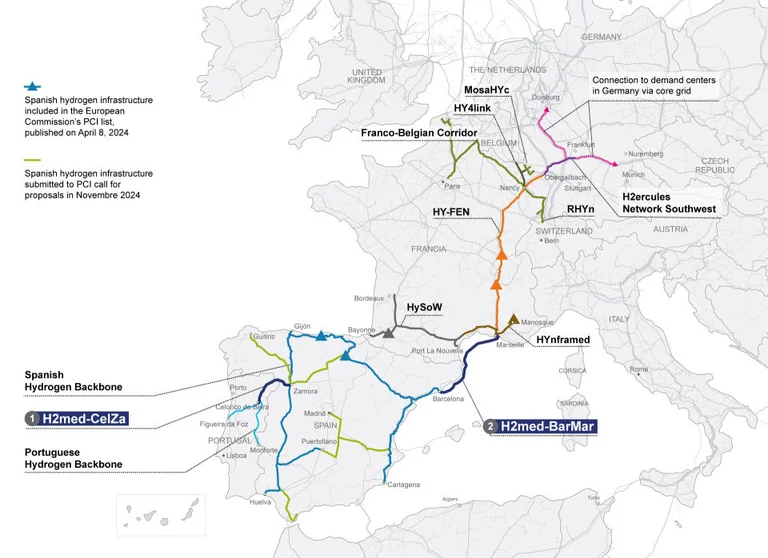
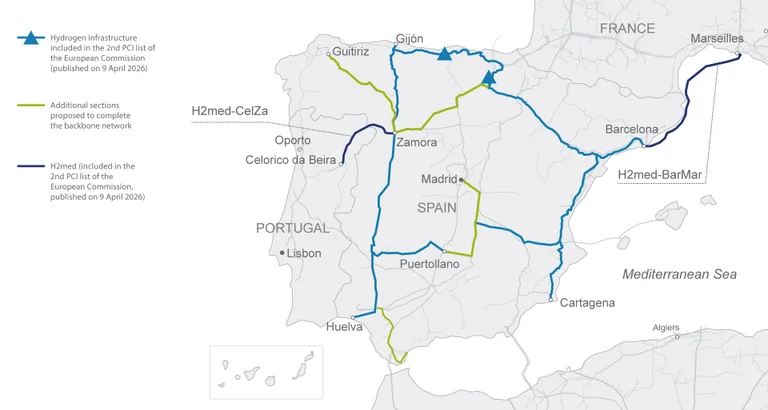
While LNG is still essential right now, the real magic ingredient for tomorrow is green hydrogen. Enagás has already sent off the necessary paperwork—administrative, environmental, and public utility permissions—to the Ministry for the Ecological Transition (MITECO) for the first four segments of the Spanish Hydrogen Backbone. These pipelines are set to connect key industrial areas, ports, and logistics hubs, repurposing current gas pipelines and adding compressor stations that are all about that pure hydrogen flow. This initiative is aiming to mesh together renewable hydrogen production sites into a nationwide transport network that can reduce emissions on a grand scale.
According to Royal Decree-Law 8/2023, Enagás is taking the reins as the provisional Hydrogen Transmission Network Operator (HTNO). This position opens doors for them to hunt for European regulated network assets and tap into cost recovery frameworks that align with the EU’s security of supply and decarbonization objectives. There’s also a focus on essential upgrades, like ensuring they use hydrogen-compatible materials—think steels, valves, and compressors—to tackle embrittlement risks and keep everything safe. They’re planning to mix up to 30% hydrogen in existing pipelines while establishing dedicated lines for 100% hydrogen flow, making that transition smoother than ever.
H2Med Corridor: A Step Toward Major Changes
Enagás is serious about leading the charge in this energy transition through the H2Med initiative, which is Europe’s first major subsea hydrogen corridor. They’ve gotten the BarMar pipeline—linking Barcelona and Marseille—past the initial engineering phase into detailed design, thanks to public consultations in both Spain and France. This corridor isn’t just a pipe dream; it’s set to transport Iberia’s renewable hydrogen to France and onwards to Germany, creating a new route that could really shake up regional energy markets and push cross-border decarbonization efforts.
This project goes beyond just a pipeline; it’s part of a broader vision with the European Hydrogen Backbone, which includes collaboration with Transmission System Operators (TSOs) in France, Portugal, and Germany. They’re getting into the nitty-gritty with seabed route surveys, environmental impact assessments, and hydraulic modeling to manage hydrogen's unique characteristics—like its lower density and different flow dynamics. To ensure everything runs smoothly, they’ll incorporate specialized compression stations, leak detection systems, and rigorous material certifications. This project is clearly built for the future and has the potential to set the standard for large-scale clean hydrogen transport.
Demand is Growing: Signs of a Thriving Market
The buzz around hydrogen is palpable, with demand knocking at the pipeline door. A recent market call brought in 128 companies, who submitted nearly 300 proposals for hydrogen projects. A separate consultation focusing on sustainable CO₂ management netted 69 firms with a whopping 125 project ideas, highlighting a real appetite for integrated hydrogen and carbon solutions. These discussions are helping Enagás figure out pipeline capacity, align connection points with electrolyzer centers, and lock down those valuable clean hydrogen offtake agreements. That solid groundwork is crucial for ensuring high utilization right from the outset.
Charting the Future: 2027 Strategic Plan
Arturo Gonzalo Aizpiri, Enagás’ CEO, is gearing up to unveil a revamped strategic plan in the first half of next year that’s all about heavy investments in hydrogen infrastructure. This refreshed roadmap will align their asset acquisitions, network shifts, and financing strategies with promises of maintaining a one-euro-per-share dividend through 2026, along with an investment-grade credit rating. It’s a future-focused path aimed at transforming ambitious plans into operational hydrogen highways.
The Strategic Plan for 2022-2030 has already set the stage for 2026-2030 as a ramp-up period for renewable gases. Out of a medium-term investment package totaling €4.035 billion, around €3.125 billion is earmarked specifically for hydrogen infrastructure by 2030. This clear commitment shows that the company is putting its money where its mouth is, prepping pipelines, compressor stations, and storage facilities to support large-scale hydrogen production and storage solutions.
Enagás: A Leader in the Energy Transition
As for finances, Enagás reported recurring earnings after tax of about €118 million and an EBITDA of €314 million for the first half of this year, despite facing a drop in regulatory revenue. With liquidity at €2.6 billion and a net debt of €2.3 billion, all while maintaining an average debt maturity of 4.4 years, they’ve got a balance sheet that’s ready to fund both traditional natural gas and emerging hydrogen networks. They’re holding steady on dividends and keeping an investment-grade rating, which sends a strong message of confidence to investors.
Support from the EU has been key too. H2Med secured Project of Common Interest status alongside around €75.8 million from the Connecting Europe Facility for the BarMar segment, which smooths out cross-border permits and co-financing. Spain’s PERTE ERHA programs and the national Hydrogen Roadmap add even more policy support and funding options. Altogether, these regulatory and financial levers help Enagás minimize risks in their hydrogen investments, offering clear pathways for recovering costs for industrial and utility clients.
So, here’s the bottom line: with the consolidation of Saggas, the advancement of the Spanish Hydrogen Backbone, and progress on the H2Med corridor, along with preparations for a dedicated 2027 hydrogen strategy, Enagás strikes a remarkable balance between meeting immediate gas security needs and planning for long-term decarbonization. With strong market interest, regulatory backing, and funding capabilities, Spain is on a promising path to becoming a cornerstone of Europe’s clean hydrogen economy, turning the vision of green hydrogen production and infrastructure into a tangible reality.