Hydrogen Fuel Cells Take Flight: Zepher Z1 UAV Hits 12,000 ft in Breakthrough Demo
Zepher Flight Labs' hydrogen-powered Z1 UAV reached 12,000 feet in a recent demo—showcasing endurance, payload capacity, and U.S.-made tech against a shifting defense and clean energy backdrop.
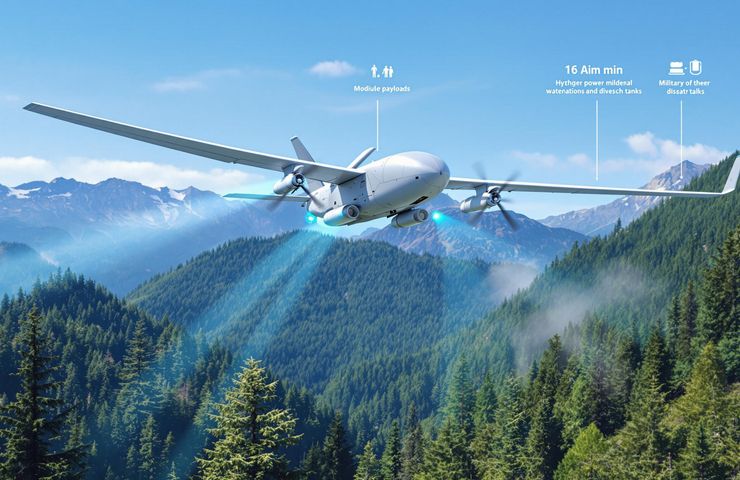
Hydrogen fuel cell technology just reached new heights—literally. On July 15, 2025, Zepher Flight Labs (ZFL), a U.S.-based company building next-generation unmanned aerial vehicles, pulled off something big. Using its Z1 hydrogen-powered VTOL UAV, the team executed a vertical takeoff and soared to a 12,000-foot density altitude, all while carrying a full payload. Translation? It's got serious stamina and altitude chops—even in thinner air.
Backed by the Army Research Labs, this wasn’t just a one-off test flight—it’s part of a bigger push toward hitting a 20,000-foot ceiling. But this milestone means more than reaching high—it signals a shift. The defense and drone worlds are leaning hard into hydrogen-powered, zero-emission technology, and they’re doing it with homegrown, American-made solutions.
Raising the Bar for Clean, Long-Range Drones
Let’s be clear: this wasn’t about checking boxes. The Z1 UAV, a lightweight Group II platform tipping the scales at under 55 pounds, didn’t just get off the ground—it showed it can stay up there, loaded up, and perform when it counts. We’re talking real-world scenarios like ISR (Intelligence, Surveillance and Reconnaissance), disaster response, and tricky resupply missions—where staying in the air longer and flying higher can make all the difference.
This isn’t your average drone. The hydrogen fuel system packs more than 10 hours of flight time, plus it refuels quickly using drop-in H2 cylinders. Modular payloads can be swapped on the fly, right in the field—no need to head back to base. And when speed matters, the whole thing’s mission-ready in under five minutes. That kind of flexibility is game-changing in the field.
Bonus? It's whisper-quiet. Unlike battery-powered drones that still have a noticeable hum, this fuel cell setup cuts noise and emissions nearly to zero. The only byproduct is water vapor. That low acoustic footprint is a huge advantage for defense or rescue ops in sensitive zones.
The Team Powering the Breakthrough
ZFL operates under the banner of Heven, an American company with global aspirations in autonomous flight. Thanks to new partnerships—especially with Mach Industries—Heven’s been able to ramp up UAV production here in the U.S. rapidly. Together with the Army Research Labs, they’re pushing the boundaries of what next-gen drones can do.
The recent flight likely happened near ZFL’s base in Bingen, Washington—a fitting location with aerospace heritage and access to serious altitude test zones. That area is fast becoming a hub for UAV innovation, syncing with a growing national push to strengthen America’s domestic drone networks, especially in response to worries about foreign tech dependencies.
Shifting Policy, New Momentum
This all plays into a bigger shift. In the past few years, the Department of Defense has been leaning into U.S.-based drone manufacturing, stepping away from foreign suppliers over rising security and geopolitical concerns. The Z1 UAV ticks all the boxes—NDAA compliant, American parts, and designed for missions that require both agility and endurance.
And the applications go way beyond defense. Think about wildfire surveillance. Emergency response. Critical medical deliveries to hard-to-reach places. Quiet, clean, hydrogen-fueled drones like this can hover for hours, get fixed out in the field if needed, and fly without trashing the environment. For cities and agencies looking for sustainable energy solutions that actually work—that’s a big deal.
Looking Ahead
Sure, hitting 12,000 feet is a major win—but ZFL and its government partners aren’t settling. They’ve got their sights set on 20,000 feet, aiming to prove these UAVs can go even higher, stay longer, and operate in complex, contested environments.
If things keep moving at this pace, we’ll be seeing a lot more of these hydrogen-powered aircraft in actual missions—here at home and abroad. With supply chain support from Mach Industries, scaling up won’t be the bottleneck when deployment ramps up.
So yeah, it’s a drone climbing to 12,000 feet today—but zoom out and it’s something much bigger: American hydrogen fuel cell technology proving it’s ready to step up. From small towns like Bingen to major military operations, the future of zero-emission, sustainable energy is taking flight. Quite literally.