Hydrogen Fuel Cells Propel MOL’s Hybrid Hanaria to Win Ship of the Year 2024
MOL's Hanaria hybrid ferry combining hydrogen fuel cells, batteries, and biodiesel secures Ship of the Year 2024, reinforcing Japan’s maritime decarbonization efforts.
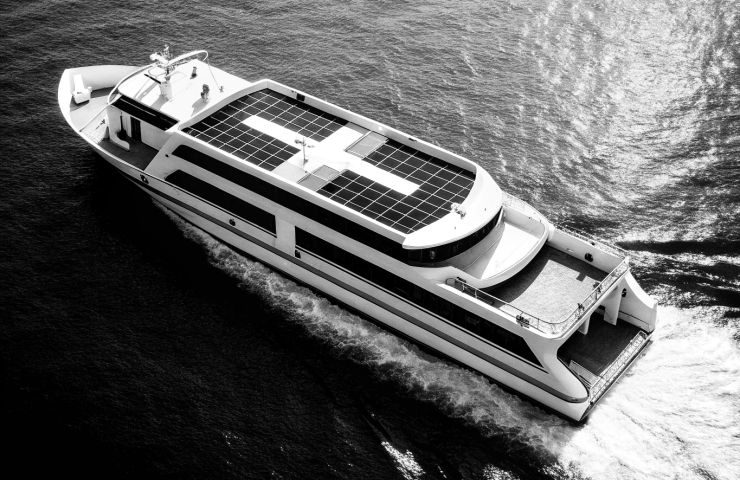
The shipping industry just felt a major nudge into the future of zero-emission technology—and that push came straight from Mitsui O.S.K. Lines (MOL).
In a move that shows hydrogen isn’t just hype, MOL’s hybrid passenger ferry—the Hanaria—just walked away with the coveted Ship of the Year 2024 award from the Japan Society of Naval Architects and Ocean Engineers (JASNAOE). Freshly launched in April 2025 and officially recognized on May 27, this forward-thinking vessel is proving that sustainable energy in maritime travel isn’t a pipe dream—it’s already docking at the pier.
The Power Trio: Hydrogen, Lithium, and Biodiesel
So, what’s under the hood—or rather, below deck? The Hanaria runs on not one, not two, but three clean energy sources: a beefy 450kW HTEC-450 Hydrogen Fuel Cell, a Li-TEC® Lithium-Ion Battery Array, and biodiesel-powered Yanmar 6EY26ALW Generators.
Let’s break that down. The HTEC-450 is a hydrogen fuel cell that borrows solid tech from Toyota’s Mirai. Basically, it turns hydrogen and oxygen into electricity—with just water vapor coming out the other end. Clean, quiet, and the kind of reliable you want when you’re miles offshore.
Then there’s the battery system—courtesy of NGK Insulators—which takes care of those energy spikes and stores extra power when needed. When more muscle is required, especially far from port, the biodiesel generators kick in. They run on low-emission FAME blends and are fully in line with IMO2020 sulfur regulations. It's a smart blend—resilient, green-ish, and ready for real-world action.
A Bigger Picture: Japan’s Race to Decarbonize
This isn’t just about one high-tech ferry looking good in the marina. Japan’s pushing hard on industrial decarbonization, thanks to its updated Green Growth Strategy and new rules under the Marine Environmental Protection Act (2024). The Hanaria shows ship operators what’s possible—cutting an estimated 2,800 tonnes of CO₂ annually compared to your everyday diesel vessel.
Even more promising? MOL isn’t stopping at one ship. The company says 23 coastal ferries are already on deck for retrofitting by 2030, which means the shift toward hydrogen production and alternative fuel infrastructure is gaining some real traction in Japan’s shipping corridors.
The Global Perspective: Learning From (and Leaping Past) Norway
Let’s be real—MOL isn’t the first to sail into hydrogen waters. Norway’s MF Hydra set a pretty strong precedent back in 2023 with its all-hydrogen setup. But here’s where things get interesting: the Hanaria doesn’t just copy Norway’s homework—it improves on it. MOL’s hybrid approach adds layers of adaptability and resilience, better suited for different marine routes and pricing scenarios.
Bottom line? This triple-fuel strategy isn’t about being perfect from day one—it’s about being ready for the messy, ever-changing reality of global shipping.
MOL’s Green Résumé: No Rookie Moves Here
Still wondering if MOL’s the real deal when it comes to sustainable energy? Take a look at their playbook. In 2023, their Wind Challenger vessel—powered by sails, no less—cut CO₂ emissions by 20%. The year before, they launched an LNG-fueled ferry that delivered even more emission savings. MOL isn’t just tossing buzzwords around—they’ve got results to back it up.
The Big Question: What’s Really at Stake?
Here’s the thing—greening the maritime world isn’t going to happen overnight, and it’s not going to come from one shiny new ship. But the Hanaria’s design points to a smarter way forward. With three energy systems working together, it’s built to handle today’s transition period—even as tech and fuel availability shift around.
This isn’t idealistic virtue-signaling. It’s a serious, flexible answer to some very real problems—costs, emissions, fuel sourcing, and reliability. Governments, investors, and industry watchers should be paying close attention.
Charging Ahead: What’s Next for MOL?
Sure, awards are great. But now the hard part begins. Can MOL keep up this pace? Can they scale the Hanaria model without losing its clean edge? Can they build the hydrogen fuel cells and battery supply chains they’ll need to keep this going?
Japan’s looking for trailblazers—companies willing to bridge the gap between ambitious goals and practical, operational success in industrial decarbonization. With Hanaria as proof of concept, MOL has shown what’s possible.
Now the spotlight’s back on them. Can they turn this win into a long-term shift?