Hydrogen Fuel Cells Power Hamburg's Shift from Diesel Generators
Zeppelin Power Systems and MB Energy unveil Hamburg's first hydrogen fuel cell generator — a compact, containerized unit poised to replace diesel backups in major industrial settings.
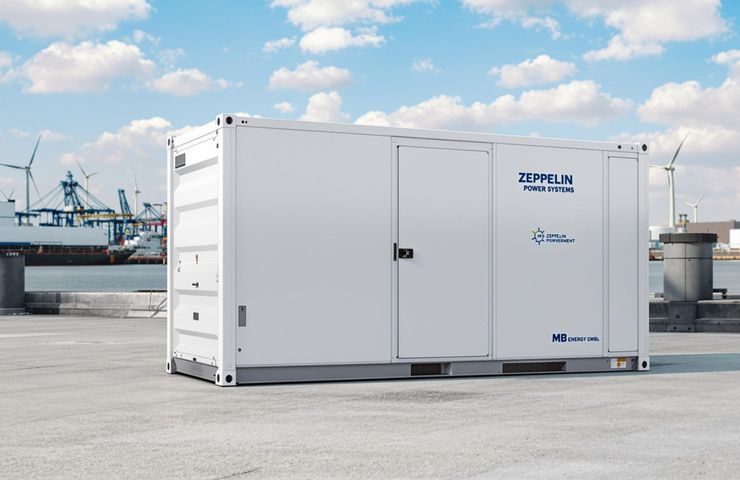
Hamburg, Germany’s legendary port city, is making waves—and not the diesel kind. In a bold step towards cleaner energy, Zeppelin Power Systems and MB Energy GmbH just rolled out the city’s very first hydrogen fuel cell generator. This 50 kVA unit is more than just a pilot project—it's a serious piece of gear aimed at delivering zero-emission backup power where it’s needed most: industrial and maritime settings.
From Diesel Roots to Hydrogen Dreams
Zeppelin Power Systems has some serious legacy — from aircraft engines to diesel giants. But now they’re shifting gears in a big way. Partnering with MB Energy GmbH—a company that once built its business around fossil fuels—they’re stepping into the future with hydrogen fuel cells, responding to stricter environmental rules and the growing demand for sustainable solutions in sectors like heavy industry and shipping.
This isn’t just a concept on paper. It’s the first real, commercially functional hydrogen system Zeppelin’s built since they ditched fossil-fueled generators back in 2020. And what powers it? Nothing dirty — just clean, locally sourced green hydrogen. It’s the kind of move that makes hydrogen infrastructure feel less like the future and more like right now.
How It Works — and Why It’s a Big Deal
So, what’s inside this clean energy container? At its core is a high-efficiency PEM (Proton Exchange Membrane) fuel cell stack, designed to deliver reliable power in the 50–100 kW range. It’s supported by a hybrid lithium-ion battery buffer, which helps smooth out those power bumps and manage surges. The whole setup fits neatly into a standard 20-foot ISO container, making it ultra-portable—perfect for ports, construction zones, or wherever backup power is needed.
With system efficiency reaching up to 94% and a lifespan of over 10,000 hours, this isn't some fragile prototype—it’s built for real-world use. And in Hamburg—where diesel engines have long been king—this is a big signal that change is on the horizon. There are still over 15,000 diesel generators humming away in the North Sea’s offshore economy. This new system offers a clean, scalable alternative.
Fueling Change: Hamburg’s Hydrogen Push
This project didn’t pop up out of nowhere. Hamburg’s mayor, Dr. Peter Tschentscher, has been championing the city’s Hydrogen Strategy 2025, aiming to kick off more than 100 hydrogen-centered initiatives by decade’s end. The city's getting serious financial backing too—around €300 million from federal and state programs is helping turn Hamburg into Germany’s own proving ground for large-scale green hydrogen rollout.
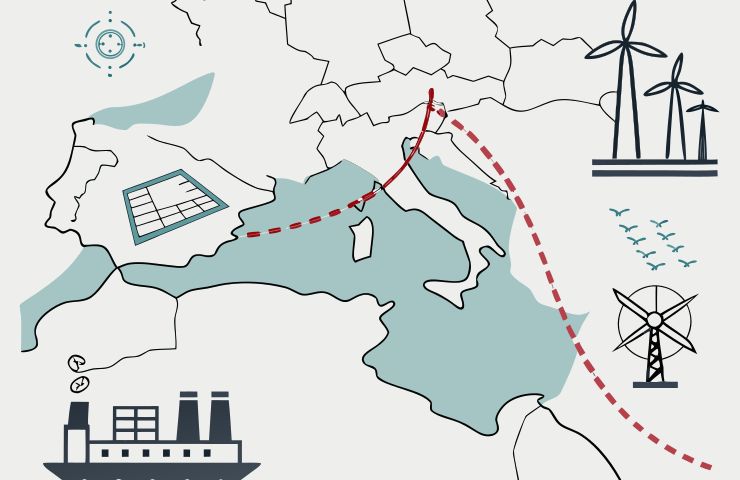
Much of this is made possible thanks to Northern Germany’s access to vast North Sea wind power, which feeds into local green hydrogen production. That proximity cuts down the carbon footprint and makes these fuel cell systems even more efficient—an edge when deploying clean power across port and industrial operations.
Scalability, Jobs, and a Hydrogen Ecosystem
But this project isn't just about clean energy—it’s about building a whole ecosystem around it. Zeppelin and MB Energy see this as a springboard to train and employ an entirely new workforce. By 2026, they’re aiming to have over 200 certified hydrogen technicians in place, creating serious momentum for scaling fuel cell technology across Europe.
They’re also future-proofing. The system is ready to work with ammonia cracking tech—a smart move, considering countries like Japan and South Korea are looking to ship hydrogen globally in the form of ammonia. That flexibility could make a big difference as hydrogen trading becomes a reality.
As for rules and regulations? Hamburg’s port authorities will have their hands full updating protocols around safety and handling for hydrogen gear. But setting those standards now could make life easier for other cities looking to follow suit.
This Is What a Hydrogen-Powered Future Looks Like
Sure, it’s one containerized fuel cell generator. But don’t let the size fool you—this tidy package is punching well above its weight. It’s a concrete example of what industrial decarbonization can look like when policy, clean tech innovation, and business strategy all row in the same direction.
And in Hamburg—a city defined by its maritime roots and industrial heartbeat—it’s hard to ignore the symbolism. The energy tide is turning. One hydrogen fuel cell at a time, a greener future is coming into port.
About Zeppelin Power Systems
Zeppelin Power Systems, part of the renowned Zeppelin Group, offers advanced power solutions spanning marine, rail, and industrial sectors. Since 2022, they’ve made hydrogen tech a top priority, leading R&D and deployment efforts through their dedicated Fuel Cell Competence Center.