Hydrogen Fuel Cells Hit the Road: MIT Builds 300bhp Zero-Emission Motorcycle
MIT’s 300bhp hydrogen motorcycle isn't just student flair – it's a loud, zero-emission punch aimed at battery dominance. Is hydrogen gunning for more than just trucks?
A Hydrogen-Powered Statement on Two Wheels
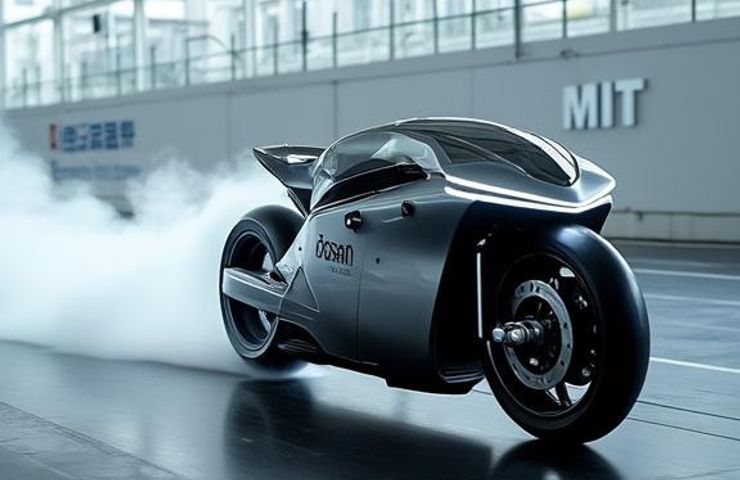
This isn’t some science fair side hustle—this is next-level innovation. A team of sharp-minded MIT students just brought something wild to life: a 300bhp motorcycle fueled entirely by hydrogen fuel cells, with tech support from Doosan. They didn’t just build it to sit in a lab; they tested it on the streets in October 2023. And yep, it runs. This changes the game—hydrogen power is no longer just for trucks and planes.
The Core News: Built to Ride, Built to Disrupt
This is big because the bike actually works. It’s not theory—this thing moves. And when it does? It leaves nothing behind but water vapor. That’s it. The team took a frame from a 1999 motorcycle and ditched the gas engine. Instead, they slapped on a hydrogen fuel cell. No batteries, no exhaust, no plug-in required. It runs off compressed hydrogen, feeding a fuel cell that generates electricity to drive the motor. Translation: it’s fast, it’s clean, and it doesn’t care about your grid connection.
What It Means
This bike isn't just about flexing tech muscle. It’s a statement—the kind that makes people stop and think. Hydrogen doesn’t have to stay boxed into freight or aerospace. There’s a whole world of possibilities out there: urban transport, personal mobility, even motorsports. What this project proves is simple: hydrogen has range—and we’re barely scratching the surface.
Technical Dive: Power Without the Plug
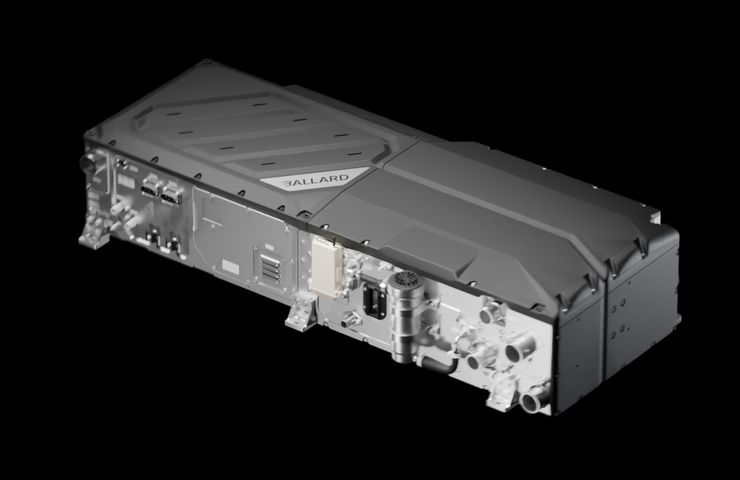
No chalk talks here—just the basics. The bike works like this: hydrogen goes in, oxygen mixes in, electricity comes out. Boom—enough juice to outrun most of the current electric bikes out there. And instead of pumping out CO2, it exhales good old H2O. Sure, fuel cell tech isn’t a new idea, but stuffing it into a 300-horsepower motorcycle? That’s bold. Doosan’s fuel cell unit made that happen, and it’s kind of a big deal.
Strategic Implications: Why This Could Matter More Than You Think
The ongoing hydrogen vs. battery debate just got a new plot twist. Battery-electric vehicles (BEVs) still rule the headlines, but not without their baggage—heavy reliance on lithium, strain on power grids, and long charging sessions. Hydrogen doesn’t play by those rules. It offers quick refueling and less environmental extraction impact—on paper, at least. The hitch? The hydrogen infrastructure still has a lot of catching up to do.
But this prototype? It’s a wake-up call. Less about competing with batteries today, and more about expanding the conversation. This kind of innovation could push decision-makers to think bigger about where zero-emission technology fits in—and where hydrogen deserves more attention and investment.
MIT and the Research Context
MIT has always been about pushing boundaries, and this project is no exception. It’s not just a showcase of cool engineering, it’s a bridge connecting energy innovation, mobility, and real-world application. It’s proof-of-concept meets road test, and that's a potent combo. It also reminds us that when academia and tech companies like Doosan collaborate, sparks fly—sometimes literally.
Comparison Case: What if This Caught On?
Most of the big hydrogen pushes have centered around freight trucks or airplanes—which makes sense. But motorcycles? That’s new ground. It’s a smaller market, but one with massive cultural reach. Think scooters in Asia, sport bikes in Europe, cruisers in California. It’s where ideas go from niche to norm fast.
If hydrogen gets traction in two-wheeled transport, it could flip the entire narrative. Suddenly, sustainable energy doesn’t just mean "big and heavy”—it means "fast and nimble," too. And that puts pressure on battery-electric options to evolve past just range stats and charging apps.
My Take: Glimpses of a Disruptive Niche
Let’s be real—this bike isn’t about mass production. At least, not yet. It’s a proof of concept, loud and proud. But what it proves is important: hydrogen fuel cells can do more than people give them credit for. They’re not just chasing diesel in semi trucks—they’re eyeing batteries in lightweight transport, too. Even if it’s just one bike for now, the idea’s only going to grow from here.
Finishing Thoughts: A Prompt, Not a Panacea
Don’t expect to see hydrogen superbikes flooding dealerships next year. That’s not the point. What this does is spark the bigger question—if we can get 300 clean bhp from a hydrogen two-wheeler, what’s really holding us back from making this mainstream? The tech is here. The drive is there. Maybe now it’s just about finding the will to build the future we keep talking about.