Toyota Hilux FCEV drives Europe’s hydrogen infrastructure forward
Toyota Motor Europe plans to launch a hydrogen fuel-cell Hilux in Europe by 2028 with targets of over 400 km range and 2,500 kg towing, boosting clean hydrogen infrastructure.
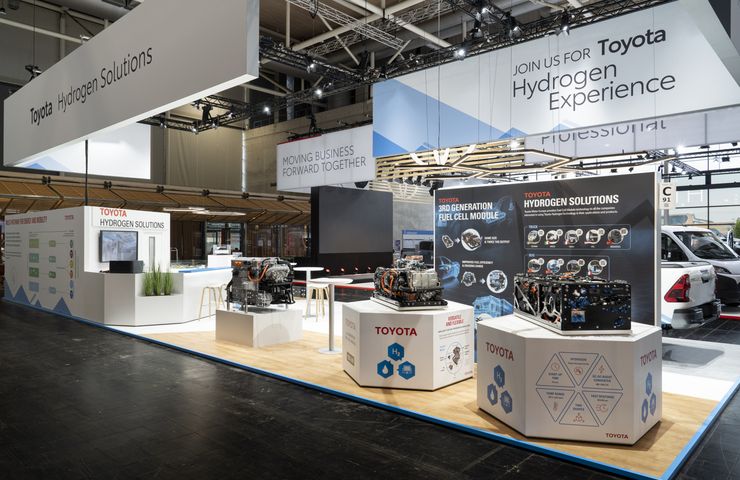
Recently at IAA Transportation in Hannover, Toyota Motor Europe revealed its exciting plans to roll out a hydrogen fuel-cell version of the iconic Hilux pickup by 2028. This announcement sets some pretty ambitious targets—like achieving more than 400 kilometers of WLTP range and towing up to 2,500 kilograms. It’s a significant milestone for hydrogen infrastructure and makes waves in the hydrogen fuel cell news across Europe. With the continent hustling to establish a robust network of hydrogen refueling stations under the Alternative Fuels Infrastructure Regulation, the Hydrogen Hilux positions Toyota as a key player in providing clean energy solutions for businesses.
A Game-Changer on European Roads
Unveiled in Hannover—a bustling city that processes over 50 million tonnes of goods each year—the Hilux FCEV hits the sweet spot for Europe’s logistics and construction sectors, meeting their heavy-duty needs. Toyota’s clever multi-pathway strategy places this hydrogen model right alongside its battery-electric and hybrid pickups, giving fleet operators the freedom to pick the powertrain that suits their needs best. That more-than-400-kilometer WLTP target has been set with real-world payloads and towing loads in mind. The earlier prototypes even managed to cover up to 600 kilometers on just 7.8 kilograms of hydrogen! As the EU pushes for climate neutrality by mid-century, this FCEV plays a crucial role in the region’s larger net-zero roadmap. Announced on the IAA stage, the Hilux FCEV stands ready as a dependable option for demanding applications, especially where long charging times aren’t feasible.
From Prototype to Production
The journey to production kicked off in early 2022, and it’s been quite the ride. Guided by Toyota Motor Manufacturing UK at the Burnaston plant, they’ve managed to churn out ten fully operational prototypes by mid-2024. The partnership includes experts like Ricardo, who specialize in fuel-cell integration; ETL, known for safety and control systems; D2H Advanced Technologies, who are innovating high-pressure storage; and Thatcham Research, focusing on performance and durability evaluations—thanks to funding courtesy of the UK Government’s Advanced Propulsion Centre. The first working prototype popped up in late 2023, showcasing a 330-cell polymer electrolyte fuel-cell stack, three high-pressure tanks weighing 2.6 kilograms each, a lithium-ion buffer battery, and a 134-kilowatt rear electric motor. They’ve put this through its paces too, covering over 20,000 kilometers on different routes—think motorways, city streets, and even rough off-road spots—verifying safety features, cold-start performance down to -20°C, and impressive regenerative efficiency of over 70% during braking.
Power and Performance Targets
Towing capacity is a big deal for the Hilux FCEV, rated to pull an impressive 2,500 kilograms. This clear focus on heavy-duty applications comes at a time when battery-electric vehicles often struggle under sustained loads. While the final consumption figures are still pending official approval, early data suggests that hydrogen usage could dip below 2.0 kilograms per 100 kilometers in mixed driving scenarios, paving the way for long hauls with quick refueling stops. Toyota is quick to point out that hydrogen refueling stations can fill up those high-pressure tanks in minutes—similar to diesel refilling—giving them a solid edge over lengthy battery charging sessions. Coupled with regenerative braking and a hybrid battery for peak power demands, they’re delivering smooth acceleration with a combined peak output exceeding 200 kilowatts during prototype testing.
Fueling a Broader Hydrogen Ecosystem
The Hilux FCEV isn’t just about the vehicle itself; it’s also a vital piece of the puzzle for expanding Europe’s hydrogen production and distribution networks. European regulations now require a hydrogen station every 200 kilometers along key transport routes by 2030, which is ramping up investment in pipelines, electrolysis projects, and green hydrogen production powered by renewable sources like wind and solar. For example, a trial station at Hannover-Langenhagen Airport, managed by H2 MOBILITY, is already supplying RFNBO-compliant fuel to trucks, buses, and passenger cars. This real-world use case emphasizes the connection between vehicle demand and the availability of refueling stations, highlighting the importance of clean hydrogen offtake agreements that guarantee supply, encouraging production and driving economies of scale.
Collaboration and Infrastructure Momentum
Rolling out a commercial hydrogen pickup is all about seamless collaboration across different sectors. Toyota Motor Europe takes charge of regional engineering, sales, and aftersales while national governments, regional authorities in Lower Saxony, and EU entities offer grants, tax incentives, and regulatory support. Collaborations with equipment suppliers, including membrane manufacturers for the fuel cells and composite companies for the lightweight tanks, ensure that all safety standards and compatibility are up to snuff. Their partnerships with heavy-duty truck manufacturers like Scania and IVECO are paving the way for aligned filling protocols and nozzle designs, making a strong case for interoperable hydrogen refueling stations. Early pilot programs in the EU have shown promising station utilization rates climbing above 30%, hinting at a beneficial investment cycle between supply and demand.
A Glimpse into the Future
The upcoming 2028 Hilux FCEV marks a significant milestone in Toyota’s vision for a multi-pathway energy future. It brings established hydrogen fuel cell technology from passenger vehicles like the Mirai into the commercial space, meticulously balancing energy density, payload capacity, and quick turnaround times. Alongside large-scale trials with third-generation fuel cell modules planned for big trucks and even a competitive entry into a high-profile motorsport rally next year, the Hilux project demonstrates versatility and resilience. While Toyota hasn’t yet shared final production specs, pricing, or customer allocation details, this initiative already illustrates hydrogen’s potential to revolutionize fleet operations. Europe’s hydrogen roads are coming to life, and the Hilux FCEV is leading the charge toward a zero-emission transport future.
As hydrogen technologies keep maturing and hydrogen production methods become more scalable, the Hilux FCEV will serve as a powerful symbol of cross-industry collaboration and ambitious regulatory goals. It offers fleets a credible path toward zero-tailpipe-emission operations without compromising performance or reliability—a sneak peek at what clean mobility can look like down the road.