Hanwha Aerospace Achieves Type Approval for Groundbreaking Marine Hydrogen Fuel Cell System
Hanwha Aerospace has made a significant advancement in green hydrogen technology by securing type approval for its marine hydrogen fuel-cell system, setting the stage for cleaner energy in maritime operations and aligning with international decarbonization goals.
Hanwha Aerospace has reached a significant milestone with its marine hydrogen technology following the achievement of type approval from the Korean Register for its 200-kilowatt-class marine hydrogen fuel-cell system. The certification places Hanwha among a very small group worldwide: it is South Korea's first type approval for a marine hydrogen fuel cell and the fifth worldwide. That status carries regulatory weight. It also opens a pathway for the company to pursue installations aboard ships.
The approval is not merely symbolic. It establishes a formal technical basis for the installation and operation of hydrogen power systems in maritime applications, aligning with the industry’s wider push to cut greenhouse-gas emissions. The system underwent testing designed to replicate marine conditions; engineers evaluated its ability to withstand vibrations and inclinations typical of ocean service. Reports indicate that the system boasts an energy efficiency exceeding 50% at its rated output, underscoring its readiness for practical applications.
What Makes This Technology Stand Out?
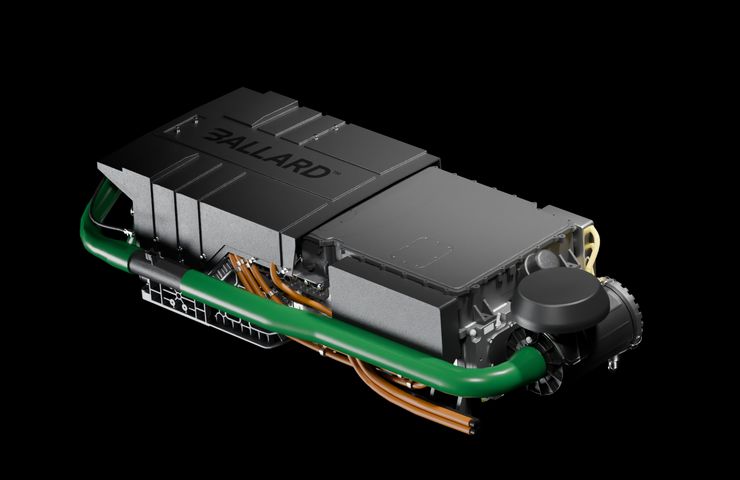
Hanwha's marine hydrogen proton-exchange-membrane fuel cell system (PEMFC) operates on a different principle than traditional combustion engines. Instead of burning fuel, it electrochemically converts hydrogen and oxygen into electricity. The direct byproducts of that process are water and heat, which means operational emissions are limited compared with combustion-based propulsion. In a sector under growing pressure to reduce emissions, that distinction is important.
Regulation is moving in the same direction. The International Maritime Organization’s 2023 greenhouse gas strategy highlights the need for international shipping to achieve net-zero emissions by 2050, creating clear demand for zero-emission technologies such as Hanwha's fuel-cell systems. Shipowners, operators and regulators are watching how these systems perform in real-world conditions, because compliance with evolving rules will shape fuel and technology choices over the coming decades.
Key Players Behind the Project
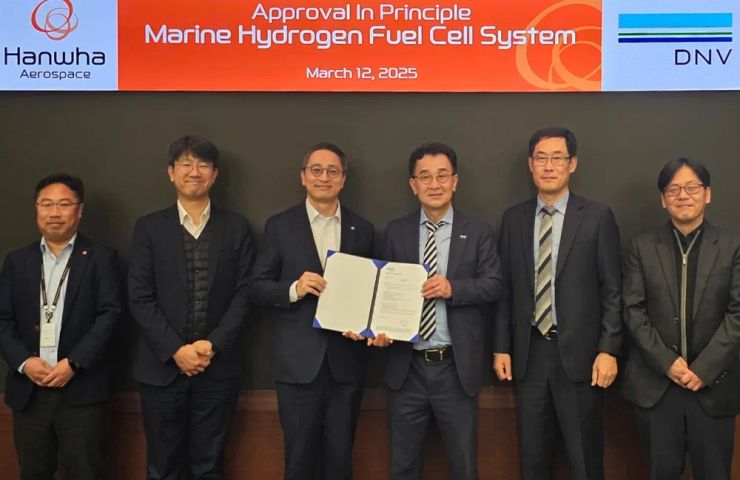
Development of the system was led by Hanwha Aerospace, but bringing a marine fuel cell to market requires more than a single manufacturer. Close coordination with regulatory authorities such as the Korean Register was essential to obtain type approval. Classification and advisory bodies also played a role: DNV previously granted Approval in Principle to Hanwha's technology, a step that helped advance the system through its development timeline. The combined expertise of these organizations creates a framework for integrating hydrogen systems into commercial shipping.
South Korea’s domestic policy environment has supported exploration of hydrogen technologies, and that support has helped create a market backdrop favorable to clean maritime energy solutions. The reported type approval represents a forward-thinking approach aimed at integrating hydrogen fuel cells into commercial vessels. However, it should be noted that while the approval is a step forward, actual deployment on commercial vessels remains contingent on further vessel-level approvals and infrastructure readiness.
What Are the Benefits of This Advancement?
- Environmental Impact: With hydrogen fuel cells, potential emissions from maritime operations could significantly reduce. Since they produce no direct CO2 emissions, they represent an essential mitigation strategy for global warming.
- Economic Prospects: As the shipping industry pivots toward alternative fuels, Hanwha’s type approval could position it as a critical supplier, boosting local economies while expanding export opportunities.
- Technological Innovation: This initiative may accelerate the integration of other energy technologies, such as batteries and hybrid systems, creating a multifaceted approach to energy management in shipping.
Looking Ahead: What’s Next for Marine Hydrogen?
The technical and regulatory groundwork is now in place, but several practical hurdles remain before hydrogen fuel cells see broad use at sea. Market adoption will depend on shipowners’ assessments of operational costs, safety and reliability. Fuel suppliers must make related commercial commitments. And the marine energy ecosystem needs supporting infrastructure, including hydrogen refueling stations, to enable routine operations beyond isolated demonstration projects.
Deployment will also require approvals at the vessel level. Classification societies and flag states will need to clear specific ship designs that incorporate fuel cells, fuel storage and associated safety systems. Those steps take time and testing. Meanwhile, shipyards and ship designers will have to integrate the systems into hull forms and operational profiles in a way that meets both commercial requirements and regulatory standards.
Hanwha aims to initiate commercial deployments within South Korea and plans to reach out to foreign shipyards for broader market penetration. That strategy suggests a phased approach: begin in a domestic market where regulatory and policy support is strongest, then pursue international opportunities once systems have proven themselves in operation and the supply chain for hydrogen and refueling has matured.
The pathway to routine use of marine hydrogen fuel cells will be incremental. Demonstration projects and early commercial installs will test assumptions about maintenance, lifecycle costs and integration with other shipboard systems. Lessons learned from those first deployments will inform safety practices, class rules and commercial contracts. Over time, those incremental steps could reduce technical and financial barriers to wider adoption.
For now, the Korean Register’s type approval and DNV’s earlier Approval in Principle mark two important milestones in that process. They signal that the technology has passed a set of independent technical assessments and can move into the next phase of testing and certification on individual vessels. How quickly the industry moves after that will depend on market signals, infrastructure development and the willingness of shipowners and operators to adopt a different propulsion paradigm.
In summary, the recent approval places Hanwha Aerospace in a small group of providers with formally recognized marine hydrogen fuel-cell technology. The endorsement is a notable step for the company and for South Korea’s efforts to develop a domestic clean maritime energy sector. It does not, by itself, guarantee widespread uptake, but it does remove a key technical and regulatory obstacle that early adopters will need to proceed.