Toyota España Delivers Second-Gen Mirai to Gasnam for Outreach in Madrid
Toyota España handed over its second-gen Toyota Mirai to Gasnam in Madrid, showcasing hydrogen fuel cell vehicles and fueling confidence in refuelling infrastructure.
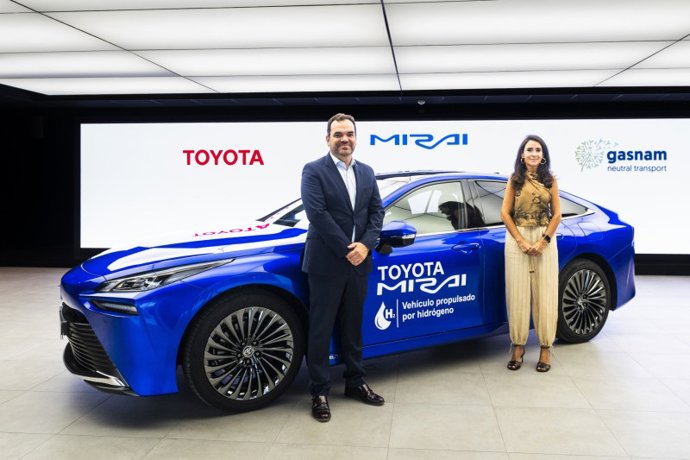
In Madrid's growing hydrogen mobility space, Toyota España has just handed over a shiny second-generation Toyota Mirai to Gasnam, the key player promoting sustainable transport in Spain and Portugal. This isn't just a typical car delivery; it’s a well-planned move showing that hydrogen vehicles are stepping out from behind the curtain of prototypes and into the real world, engaging with everyone involved in the process.
Now sitting pretty at the Toyota España offices in Alcobendas, the Mirai isn’t meant to collect dust on a showroom floor. Instead, you'll see Gasnam take it out to summits, workshops, and public events to demonstrate how a Fuel Cell Electric Vehicle (FCEV) operates on hydrogen, releasing only water vapor as it cruises along. With a claimed range of up to 650 kilometers and a super speedy refueling time of just three to five minutes at 700 bar, it’s got some impressive numbers. But the real goal here is to get people familiar with how it all works. After all, drivers, policymakers, and station operators need to experience the benefits firsthand before dismissing hydrogen as just another fleeting idea.
From Prototype to Outreach Tool
While many updates on hydrogen fuel cells dive deep into cutting-edge research, this story traces back to a program that started way back in the early '90s. Toyota Motor Corporation first began exploring fuel cell technology in 1992 and rolled out the first production model of the Mirai in 2014, with an updated second generation coming along in 2020. This history matters a lot because Spain’s hydrogen refueling station network is still in its early days. The Manoteras station in Madrid, which opened in 2021, was specifically designed to support Mirai pilots and can fill up your tank in under five minutes—almost the same time it takes to gas up a regular car. So, by handing over a Mirai to Gasnam, Toyota España is essentially planting the seeds for the next wave of demonstrations using a proven FCEV platform.
Under the Hood: What’s New in the Second-Gen Mirai?
Under its sleek exterior, Toyota has fine-tuned the hydrogen fuel cell stack to pack more power into a smaller space. Engineers have optimized the proton-exchange membrane and electrode catalysts for better efficiency, reduced weight in the chassis, and even added a third high-pressure hydrogen tank to extend the usable range. The updated stack uses fewer precious metals and sits lower in the car, which not only frees up interior space but also lowers the center of gravity. Combined with that 700 bar refueling system, the Mirai can hit an impressive 650 kilometers on just one fill and refuel in mere minutes. These impressive specs are what Toyota España will highlight during demos.
Why Hydrogen Mobility Needs a Push
It's like trying to build a high-performance engine without any fuel stations around—that’s how it’s been for hydrogen cars in many areas. The refueling infrastructure just hasn't kept up with battery charging points or gas stations, leaving early adopters stuck at central hubs or pilot projects. However, demonstrations have a way of breaking through that bottleneck. When companies, city councils, or taxi fleets get hands-on with the technology, they start to see hydrogen’s real advantages: quick fill-ups and zero tailpipe emissions. In Spain, Gasnam connects different stakeholders like transport operators, energy suppliers, and policymakers, ensuring that the Mirai will hit the road on actual routes and not just sit in a lab.
Building Confidence Across the Ecosystem
Hydrogen infrastructure tends to grow in small, steady steps—one station at a time, and one demo at a time—rather than overnight. That’s why building confidence in the ecosystem becomes essential. By teaming up with Gasnam, Toyota España brings together vehicle tech, station operators, and stakeholder outreach into a seamless process. Each fueling session at 700 bar serves as a training opportunity for station staff. Each media drive helps journalists get a feel for the smooth acceleration that comes from a fuel cell stack-powered electric motor. It’s like teaching someone to swim; you don’t just explain how to float, you dive in together.
But Gasnam isn’t just borrowing a car; it's turning it into a mobile classroom. This platform brings together players from various sectors—land, sea, and air—to chat about hydrogen, biofuels, and renewable gases. By slotting the Mirai into its Green Gas Mobility Summit, online academies, and policy discussions, they’re turning each session into a hands-on lesson in hydrogen fuel cell tech. When policymakers and fleet managers take a seat behind the wheel, they shift from theory to practice all in one go, building trust that no data sheet alone can provide.
Aligning with EU and National Goals
Spain’s national hydrogen roadmap, along with the European Alternative Fuels Infrastructure Regulation (AFIR), aims for a well-thought-out rollout of hydrogen refueling stations along key transport corridors. Each public demo reminds authorities that infrastructure should be driven by real-world usage, not just lofty goals on paper. In this way, the Mirai acts like a mobile billboard, signaling to investors, local councils, and regulators that the demand for hydrogen vehicles can grow rapidly—if the refueling stations are there to back it up. It’s a practical push towards aligning policies that resonates along fast highways and busy city streets.
Wider Implications for Decarbonization
You might be wondering, why hydrogen? Why not just stick to battery electric vehicles? The answer lies in how they’re used. Battery electric cars are fantastic for short city trips, but hydrogen fuel cell vehicles shine when it comes to longer distances—without the worry of running out of charge, and they don’t need hours to refuel. That makes them particularly appealing for taxi services, corporate fleets, or logistics where keeping things running smoothly is essential. Nevertheless, the Mirai’s climate benefits hinge on the hydrogen itself; to fully realize the "zero-emission" promise, the gas needs to be produced using renewable energy, a.k.a. green hydrogen production. This handover nudges the market closer to balancing the vehicle's capabilities with clean fuel sources.
Looking Ahead
So, keep an eye on Gasnam’s roadshows and academies in the coming months. Every workshop or summit featuring the Mirai contributes another brick to Spain’s hydrogen infrastructure wall. It might not change the world’s emissions overnight, but like just one piece in an intricate puzzle, this outreach vehicle helps spread the word that hydrogen fuel cell technology is credible, practical, and ready for the spotlight. With the EU pushing for alternative fuel corridors under the AFIR regulations and national hydrogen plans gaining traction, this partnership could light the path toward broader commercial fleets and investments in stations.
Sure, the handover of one Toyota Mirai might seem small-scale, but it's actually a catalyst for Spain’s budding hydrogen mobility story. As more stakeholders step up to take the wheel—literally and figuratively—the entire ecosystem starts to gain momentum. And once confidence breeds demand, it’s only a matter of time before stations multiply and the next Mirai handover feels less like a demo and more like a real deal. That’s when hydrogen mobility will truly arrive in style.