Doosan Fuel Cell Wins Major KRW 24 Billion Service Contract
Doosan Fuel Cell secures a KRW 24.2 billion long-term service deal, underlining the shift to recurring maintenance revenue and maturity in South Korea’s hydrogen infrastructure.
In a clear sign of how fuel cell technology is evolving, Doosan Fuel Cell Co. has just inked a major long-term service agreement worth around KRW 24.2 billion. This isn’t just about selling hardware anymore; it's all about building lasting partnerships through ongoing maintenance and support. By focusing on this steady stream of revenue, Doosan Fuel Cell is really betting on a business model that offers more reliable cash flows and stronger connections with customers. It’s an exciting time in South Korea’s hydrogen energy market, especially with all the policy incentives and competitive dynamics fueling hydrogen fuel cell deployments.
Founded in 2019 as a spin-off from the industrial giant Doosan Corporation, the company has its roots in Iksan-si and has been carving out a niche in distributed power solutions, backup systems for data centers, and, importantly, hydrogen reliability solutions. They’ve got a solid reputation for providing stationary phosphoric acid fuel cell systems and are now ramping up their focus on long-term service contracts. Securing this KRW 24.2 billion agreement is a big confirmation that service is no longer just a side hustle—but rather a key part of the revenue game.
What’s behind this deal?
So, what’s at the center of this agreement? It’s all about those phosphoric acid fuel cells (PAFC). These clever systems use a liquid phosphoric acid electrolyte to turn hydrogen fuel into electricity. Unlike traditional combustion engines, PAFC technology works through some fascinating electrochemical reactions: hydrogen splits at the anode into electrons and protons. While the electrons generate power by flowing through an external circuit, the protons move through the electrolyte, meeting up with oxygen at the cathode to produce water and heat as byproducts.
But here’s the kicker: that heat isn’t tossed aside. Thanks to integrated heat recovery systems, thermal energy gets captured for heating or even extra power, cranking up the overall efficiency of the plant. With modular stack designs, plant owners can easily scale their capacity up or down, and maintenance becomes a breeze. Plus, Doosan Fuel Cell has deployed remote monitoring tools that transmit real-time data back to their service center, allowing for predictive maintenance to keep things running smoothly and avoid unexpected downtimes.
Who’s in on this and why now?
In this context, landing a long-term service deal now makes strategic sense. With a slew of fuel cell installations already operational across Korea, the focus is increasingly about making sure these systems run like clockwork for years to come.
What makes this service agreement so significant?
Beneath that hefty price tag of KRW 24.2 billion lies a treasure trove of strategic benefits:
How does this fit into the hydrogen landscape?
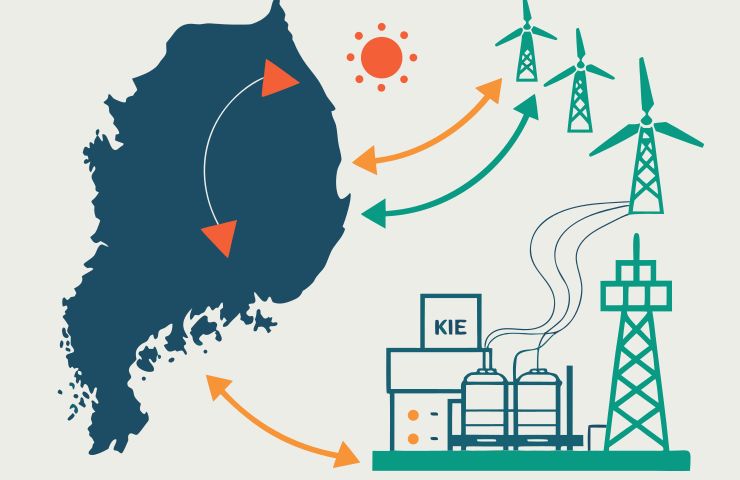
Hydrogen fuel cells hold a special place in South Korea’s energy game. They can deliver on-site power without the reliability hiccups that come with solar or wind, making them perfect for mission-critical facilities. To meet the dual demand for reliability and sustainability, project developers often pair byproduct hydrogen—sourced from nearby petrochemical plants—with designated amounts of green hydrogen made through electrolysis. This combo reduces overall carbon intensity while leveraging established supply chains.
Meanwhile, South Korea is ramping up its hydrogen infrastructure—adding refueling stations, storage facilities, and distribution pipelines. Although a lot of the spotlight has been on mobility solutions, the stationary fuel cell sector can significantly benefit from shared infrastructures. As green hydrogen production scales, costs will hopefully drop too, improving the emissions profile of energy generated through PAFC systems and reinforcing the case for broader adoption.
Where is this headed next?
Looking ahead, Doosan Fuel Cell’s focus on long-term service contracts could open the door to new and inventive business models like “power-as-a-service.” In this arrangement, customers pay based on system availability instead of hefty upfront capital costs, aligning the vendor's success with uptime and performance—making it easier for large enterprises to green-light budgets.
And if the trends in the hydrogen fuel cell space are any indication, these service contracts are set to become more of a headline story than just equipment sales. As more installations come online, the number of serviceable assets will grow, creating a positive feedback loop of contract renewals, tech upgrades, and expanded support offerings.
Challenges to keep in mind
Of course, while a sizable service contract indicates market maturity, it comes with its own set of challenges. Service providers need to strike a balance with resource allocation, ensuring they have enough skilled engineers and spare parts on hand across the nation. With a growing asset base, coordinating maintenance schedules can get tricky, especially across various sites. Also, the economics of service agreements hinge on stable fuel supply costs—variations in hydrogen prices can squeeze service margins unless contracts come equipped with indexing or hedging options. Plus, technical risks like unexpected stack degradation or equipment wear mean that swift response plans are essential to uphold service guarantees. Successfully managing this contract will be a major test for Doosan Fuel Cell's operational capabilities and the broader feasibility of hydrogen service models.
Looking forward
In the end, this KRW 24.2 billion service contract is more than just a business deal—it’s a landmark moment in the journey of the hydrogen economy. It shows that the industry is moving beyond initial pilot projects and is getting serious about building the necessary infrastructure and support networks for large-scale deployment. For anyone keeping an eye on clean hydrogen news, it’s a clear sign that service-led growth is becoming a key characteristic of this new hydrogen era.