China New Energy System Plan Targets 50% Non-Fossil Power by 2030
Discover how China’s latest Five-Year Plan sets ambitious targets for half of its electricity from non-fossil sources by 2030, backed by massive expansions in renewables, storage, nuclear, hydrogen, and flexible grid technologies.
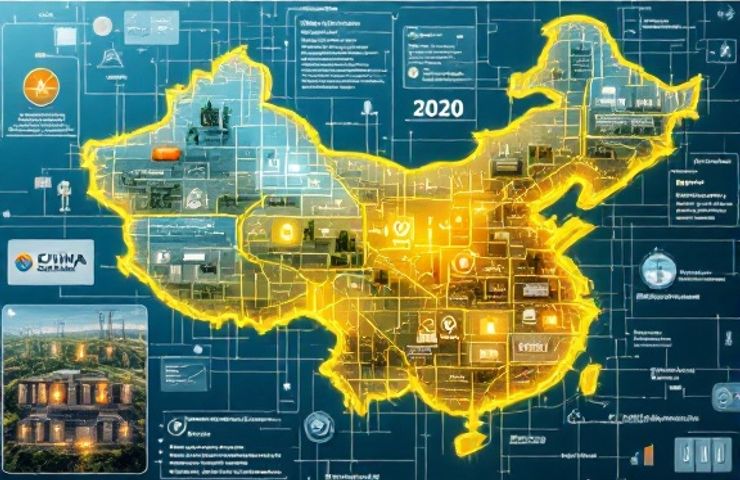
China has just rolled out its ambitious 15th Five-Year Plan for Building a New Energy System, and it’s making waves in the global energy scene! Released by the National Development and Reform Commission (NDRC) and the National Energy Administration (NEA), this plan outlines a comprehensive strategy to transition the largest energy consumer in the world towards a cleaner, more efficient grid. The goal? To get a whopping 50% of its electricity from non-fossil sources by 2030. The magic ingredient here is a holistic approach that combines massive renewable energy expansion, innovative storage solutions, a nuclear power boost, a bold green hydrogen scale-up, and smartly leveraging electric vehicles and virtual power plants as flexible grid assets. In simple terms, China is all in when it comes to leading the energy transition, ready to throw its industrial weight behind this vision.
Scaling Up Renewables: Wind and Solar Front and Center
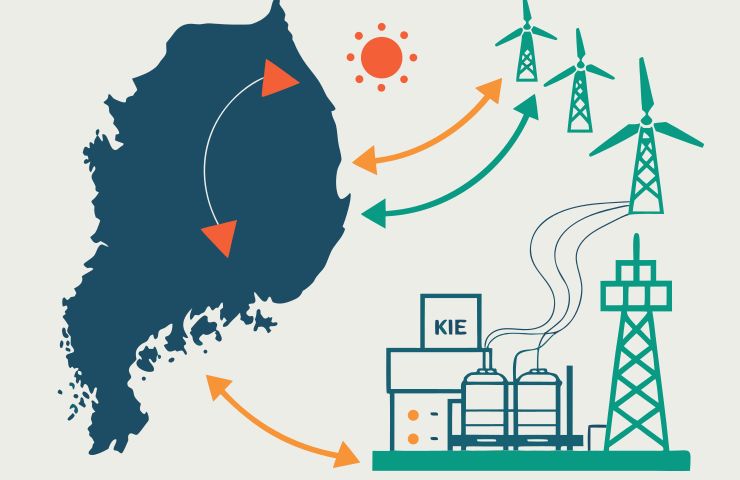
When it comes to renewables, this plan is no half-measure. It aims to have wind and solar power capacity account for more than half of China’s total installed generation by 2030, which should drive about 30% of the nation’s electricity output. That’s quite the leap from the projected 47% share in 2025, really underscoring how renewables are positioned to dominate China’s power mix in the future. The strategy involves developing resource-rich areas in the north and west, focusing on strengthening the transmission lines that connect them, so China can tap into its generous sun and wind while also minimizing any energy waste. With innovative forecasting tools and grid upgrades, the plan also ensures that variable output aligns perfectly with reliable sources, making sure the lights stay on as renewables expand and variability gets left in the dust.
Powering Flexibility: Storage Takes the Stage
But here’s the thing—just having renewable energy isn’t enough without a solid way to manage it. That’s why the plan sets an ambitious target for 300 GW of non-pumped hydro storage—essentially large-scale batteries—by 2030. Plus, it aims to boost pumped-storage hydropower to 160 GW. These technologies will shift energy around based on demand, charging up when there's plenty of renewable energy and discharging when everyone’s using the most power. By taking control of variability, this storage expansion provides a practical solution for balancing supply and demand. With grid-scale controls and support services, it’ll also cut down on waste, improve frequency regulation, and offer black-start capabilities when traditional sources hit a snag.
Baseload Boost: Nuclear Expansion
Now, let’s talk about the standout player in this plan: a significant push to boost nuclear power capacity to 110 GW by 2030, which is quite the jump from the current 62 GW. This initiative focuses on third-generation pressurized water reactors, which means we’re looking at a stable source of non-fossil, baseload power that comes with flexible generation capabilities and advanced safety systems. This nuclear expansion is set to provide low-carbon electricity around the clock and even has some load-following potential, making it a perfect complement to wind, solar, and storage. It’s clear China sees advanced reactors as a key component in maintaining grid stability and meeting high safety standards, all while ensuring a reliable backbone for a future where renewables are in charge.
Green Hydrogen: A New Sectoral Bridge
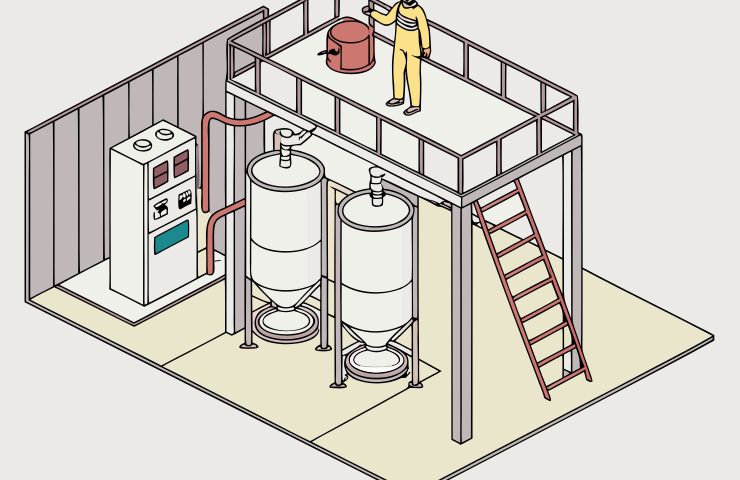
Green hydrogen is stepping into the spotlight too—China aims to churn out 2 million tonnes per year of renewable-based hydrogen by 2030. How? By harnessing electricity from wind and solar to power electrolysers, whether they're alkaline or proton exchange membrane systems. This is a game-changer for decarbonizing energy-intensive industries like steelmaking and chemicals, plus it offers long-duration storage that can soak up surplus renewable energy when generation is high. Later, that stored hydrogen can produce power, fuel vehicles, or even feed industrial processes. It’s a versatile approach that genuinely shows promise for sector coupling and for maintaining a grid with lots of renewables.
Smart Grid Resources: EVs and Virtual Power Plants
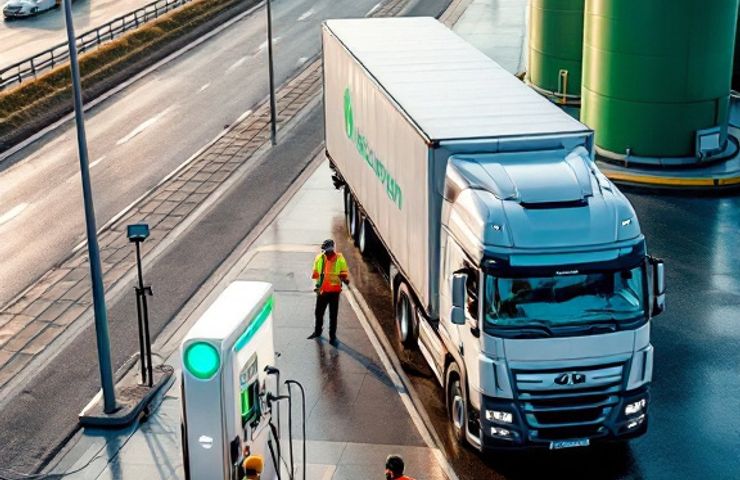
China isn’t stopping at just power generation; it's also looking at how energy flows within transportation and distributed energy systems. The plan sets an adjustable charging capacity of 50 GW using vehicle-to-grid (V2G) technology by 2030, effectively turning millions of electric vehicles into mobile batteries. On top of that, it aims to establish around 40 million charging stations, ensuring that both mobility needs and grid flexibility are met. Plus, virtual power plants (VPPs), which aggregate rooftop solar, batteries, and controllable loads, are projected to exceed 50 GW. By acting like modular power plants, these resources can respond quickly to changes in demand, which helps free up traditional generators for other tasks.
System Integration and Market Reform
But it doesn’t stop with just boosting capacity. This plan emphasizes system integration and market reform too. By establishing a cohesive national electricity market, China seeks to smooth out dispatch and pricing across regions, effectively eliminating bottlenecks that can lead to renewable energy waste. The roadmap also indicates that coal and oil consumption should peak by 2030, aligning fossil fuel usage with climate goals. It expects non-fossil sources to meet 25% of overall energy consumption, a jump from 14% in 2025. This holistic approach—linking power, transport, and industry—shows a smart move towards aligning local planning with national decarbonization goals, ensuring that no message gets lost between Beijing and the provinces.
Economic and Global Impact
Implementing this level of renewables, storage solutions, nuclear power, hydrogen facilities, EV chargers, and advanced digital platforms is a hefty investment—but it could also yield significant economic rewards. China's manufacturing capacity for solar panels, batteries, turbines, and electrolyzers will ramp up, driving down costs through economies of scale and reinforcing global supply chains. Expect job boosts in construction, operations, and R&D, while competition heats up for critical minerals like lithium and rare earths, pushing for sustainable mining practices. On an international scale, this unprecedented demand could reshape clean energy technology markets, lowering costs and helping other countries keep pace.
Conclusion
By weaving together renewables, battery and pumped storage, nuclear power expansion, green hydrogen initiatives, electric vehicles, and virtual power plants into a cohesive plan, China’s 15th Five-Year Plan for Building a New Energy System is charting an ambitious path toward a future powered by non-fossil fuels. It’s a real, workable solution that aims to demonstrate that high levels of renewables can coexist with dependable grid reliability. The real test will come down to effective policy execution, getting the private sector on board, and ongoing tech innovations and market reforms. Ultimately, this plan not only outlines China’s path for decarbonization but also sets a gold standard for large-scale energy transitions worldwide. As these ambitious targets start materializing into projects, the world will be watching to see just how effectively China can realize its bold vision.