Electrolyzer Deployment Surge Signals New Momentum for Global Low-Emission Hydrogen Production
Global electrolyzer capacity has doubled to 4 GW and low-emission hydrogen output grew 20%, as diverse collaborations push clean hydrogen toward resilience and scale.
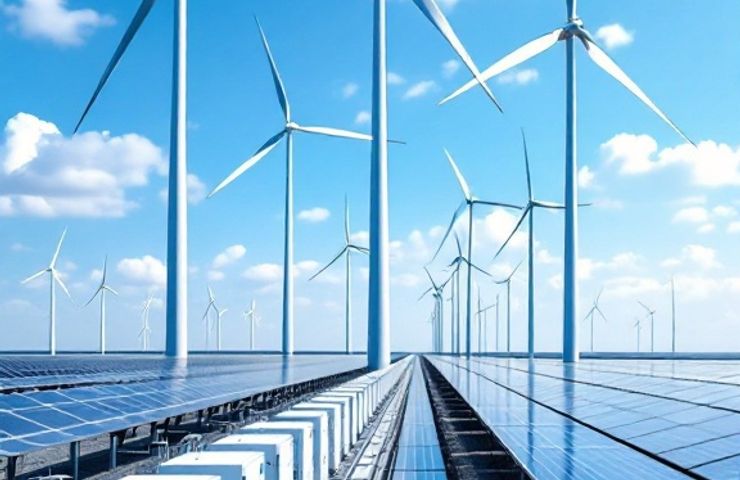
We're on the brink of an exciting transformation in the energy world, with low-emission hydrogen stepping into the spotlight. According to the International Energy Agency, this cutting-edge clean hydrogen network is set to shake things up in sectors like industry, transport, and agriculture. With global demand for hydrogen skyrocketing past 100 million tonnes and renewable hydrogen production speeding ahead, the scene is ripe for some serious game-changing developments. This movement isn't just about reducing carbon; it’s driving us toward stronger, more diverse supply chains and a greener, cleaner future.
Rising Ambition for Clean Hydrogen
We’ve seen traditional methods of hydrogen production, like steam methane reforming and coal gasification, dominate the market, supplying industries such as refining and fertilizer production. However, the IEA has reported a remarkable twenty percent increase in low-emission alternatives, reaching nearly one million tonnes just last year. Sure, it’s still a small slice of the pie at under one percent of total hydrogen supply, but it marks a noticeable shift. More and more public-private partnerships, supportive policies, and dedicated funding are driving investments into both “blue hydrogen,” which captures carbon, and “green hydrogen” sourced from renewable energy.
This isn't just about the numbers, either; these advancements are shaking up the market. Governments are rolling out national hydrogen strategies loaded with clear targets and incentives, while big industry players are getting in on the action by securing clean supply agreements. This momentum is contagious, sparking a wave of new projects for electrolyzer factories, hydrogen hubs, and trade corridors that promise to make this cleaner energy source more affordable and readily available.
Electrifying Growth: Doubling Electrolyzer Capacity
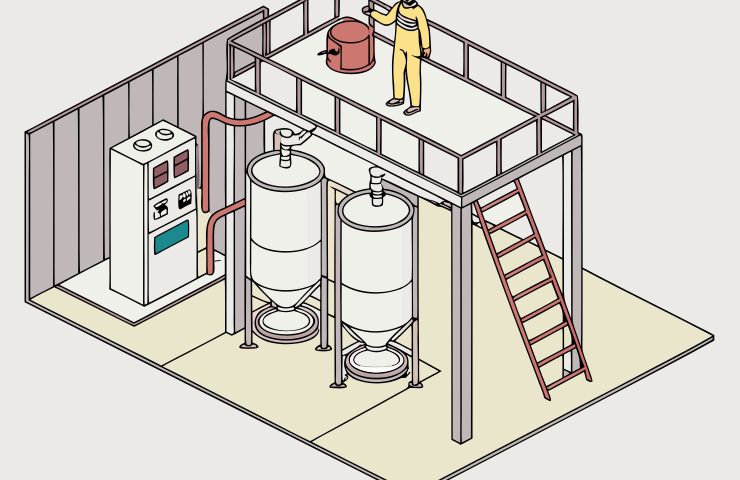
A huge indicator of progress in the hydrogen arena is the rapid growth of electrolysis capacity. Recently, the global installed electrolyzer capacity has doubled to around four gigawatts, which can churn out hundreds of thousands of tonnes of green hydrogen every year when fully operational. China is leading the pack, accounting for about seventy-five percent of these new installations, thanks to its thriving manufacturing capabilities and abundant renewable resources. Because of this surge, we’re starting to get a clearer picture of how we can deploy electrolyzers effectively on a commercial scale.
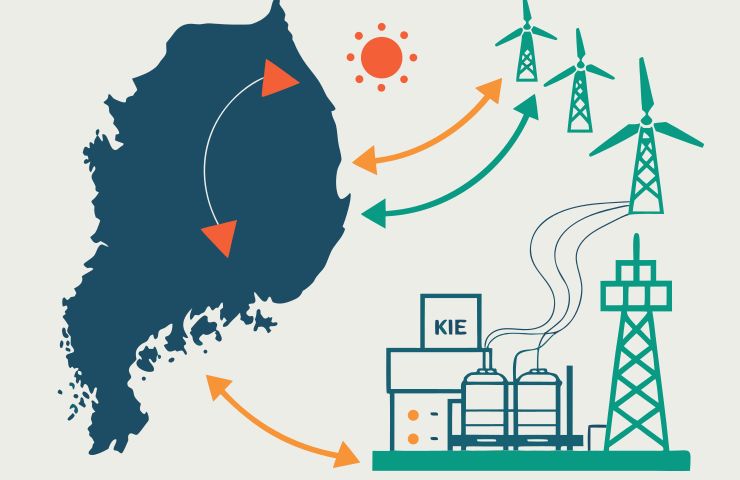
On top of manufacturing gains, there are also technological leaps that are bringing down costs. New breakthroughs in membrane materials, catalysts, and stack designs are enhancing efficiency. Plus, those nifty modular “plug-and-play” systems are speeding up installations. Pair that with integration into wind and solar farms, and it's clear that these co-located projects are maximizing usage rates and boosting grid flexibility, making a strong case for ramping up these initiatives.
Collaborative Energy Growth
If we want to scale up clean hydrogen production, we’re going to need teamwork across different sectors and borders. In Europe, we’ve seen a flurry of multi-stakeholder partnerships mobilizing billions in grants and investments to decarbonize refineries and secure hydrogen offtake. North America isn’t lagging, either, with new grant programs pairing renewable energy sources with dedicated electrolyzer arrays. Meanwhile, corporate investors are joining forces through joint ventures to mitigate risks and share their expertise.
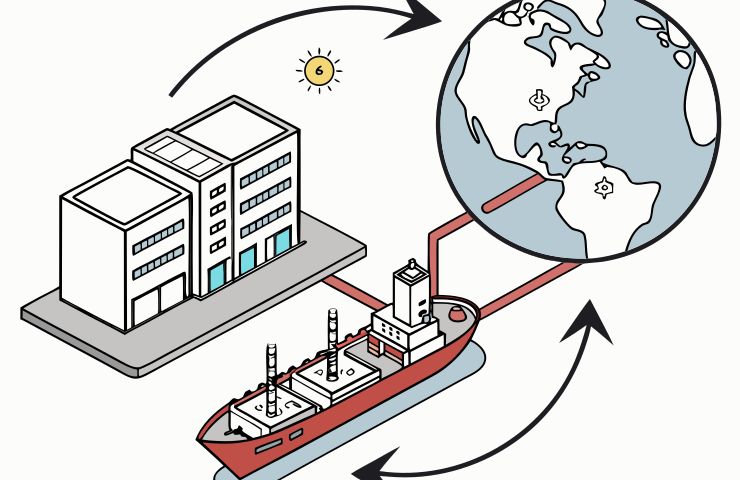
Over in Asia, power companies, equipment manufacturers, and engineering firms are teaming up to explore feasibility for large-scale green hydrogen hubs. Countries like India and Japan have kicked off memorandums of understanding to pilot hydrogen trade routes, even looking at ammonia as a transport solution. And let’s not forget Africa, with its rich renewable energy potential; even though it's kicking off with around 6,000 tonnes of low-emission hydrogen production, there are ambitious consortia forming to blend solar, wind, and gas-fed production for export to global markets hungry for energy.
Creating a Robust, Decarbonized Supply Chain
Recent disruptions in key hydrogen-producing regions have highlighted the urgent need to diversify our hydrogen value chains. The Middle East, for instance, which provides about one-sixth of global hydrogen output, saw instability that tightened supplies and significantly drove up fertilizer prices—urea prices reportedly doubled in just a few months. This shock has underscored vulnerabilities in a system that’s too reliant on traditional production and narrow trade routes.
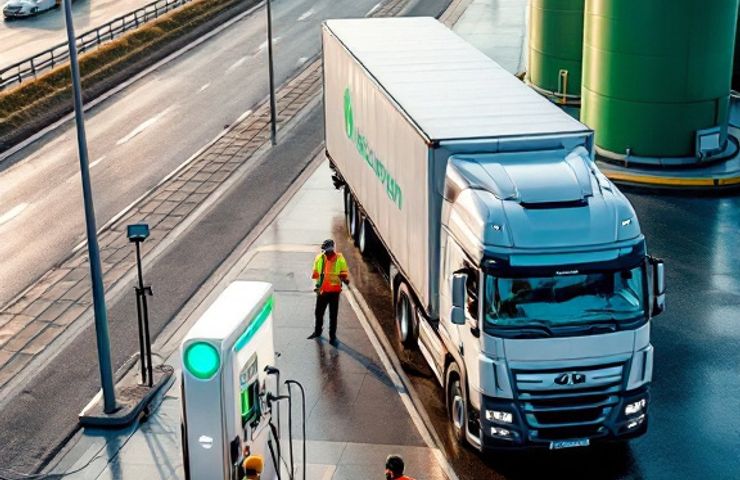
In response, stakeholders are scrambling to spread production across various locations and methods. Regional hydrogen hubs in Europe, North America, and Asia are positioning themselves for renewable-powered electrolysis, while blue hydrogen projects that capture carbon are advancing in areas where CO₂ storage is feasible. Enhanced port facilities, repurposed pipelines, and certification schemes for low-emission products are all part of the growing toolkit to ensure resilience and curb market fluctuations.
Next Steps for Scaling Up and Diversifying
Even with impressive strides, turning ambitions into reality still has its challenges. The IEA points out that while there are about 27 million tonnes of announced low-emission hydrogen projects planned for 2030, only a bit more than six million tonnes have hit the investment stage. Meanwhile, firm offtake agreements only cover one in five of the contracted amounts, which leaves developers vulnerable to market risks.
Bridging these gaps will require simpler permitting processes, clearer certification standards, and more reliable carbon pricing signals. Governments can amplify their impact by meshing green public procurement with infrastructure funding. Private finance vehicles might tailor mechanisms like pay-for-performance contracts to safeguard investors and anchor demand. When you mix policy stability with entrepreneurial spirit, that’s when the sector can really unlock the next wave of profitable projects.
Charting the Course to 2030 Goals
As we look towards the middle of the decade, it's clear that there's a noticeable gap between what we want to achieve and what’s being done. The IEA's analysis shows a big pipeline of announced low-emission hydrogen projects aiming for 2030 totals around 27 million tonnes, while just over six million tonnes have secured firm commitments. With expectations of low-emission hydrogen surpassing one percent of the global supply mix, it’s crucial for stakeholders to rally around credible initiatives while also boosting production capacity to close the gap.
To really hit the gas on this transition, we’ll need continued cost reductions driven by scaling up manufacturing, refining technology, and integrating with renewable energy. Establishing standard frameworks for verifying carbon intensity, streamlining permits, and securing early offtake agreements will pave the way for more projects, helping turn our ambitions into measurable volumes of clean hydrogen by 2030.
As these efforts ramp up, what we’re witnessing isn’t just slow advancement; it’s the outline of a new energy system powered by hydrogen. From speeding up electrolyzer capacity to forging new collaborations, the sector is setting the stage for a more diverse and decarbonized future. This isn’t just a glimpse into potential; it’s a rallying cry to seize the moment and build the robust clean hydrogen infrastructure the world is eager for.