Ballard Power Systems to Acquire GeoPura, Enhancing Hydrogen Fuel Cell Power Solutions
Ballard Power Systems agreed to acquire GeoPura, integrating fuel cell expertise with modular hydrogen generators to expand off-grid clean power solutions.
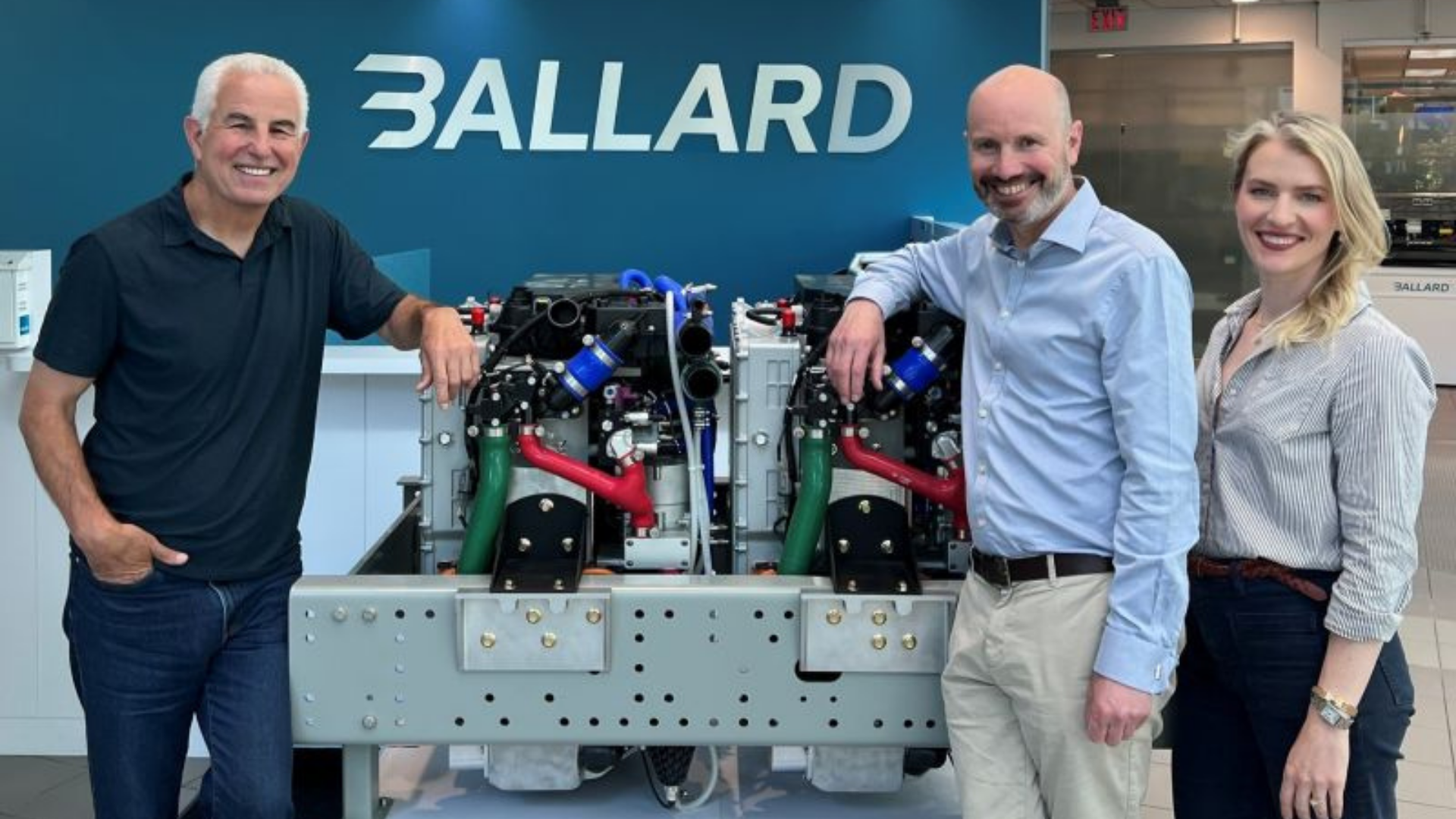
You know, it’s an exciting time in the world of clean energy! Picture this: the noisy clatter of diesel generators fading away, replaced by whisper-quiet, zero-emission hydrogen power. Well, hold onto your hats because Ballard Power Systems just made a big move that brings us one step closer to that dream. They've announced their acquisition of GeoPura, a UK company that specializes in modular hydrogen power units. This partnership combines Ballard's cutting-edge know-how in hydrogen fuel cells with GeoPura's reliable, off-grid energy solutions to speed up the rollout of green hydrogen production. Pretty cool, right?
A Strategic Power Move
This isn’t just another corporate shuffle. Ballard has made a name for itself creating proton exchange membrane (PEM) fuel cell stacks, which are critical for industries ranging from public transportation to maritime. On the flip side, GeoPura has found its niche by wrapping those stacks into portable generators that can easily replace diesel setups at various venues like sports events and construction sites. By joining forces, Ballard isn't just adding to its portfolio; it’s filling in some important gaps in the entire hydrogen supply chain.
Let’s face it, off-grid power has long been the realm of gas-guzzling engines that emit all sorts of nasty stuff like nitrogen oxides and carbon dioxide. But GeoPura’s hydrogen power units, or HPUs, take a different route. They convert low-carbon hydrogen back into electricity, all thanks to an electrochemical process—no emissions attached. And with their sleek design, these units can provide power that matches the grid’s needs in terms of voltage and frequency. With a bit of Ballard's support, GeoPura can enhance its technology, establish standard components, and tap into a widespread sales network to ramp things up. Sounds like a winning combo, doesn’t it?
For those in construction or event planning, soon you might find it a breeze to rent clean power setups instead of cobbling together separate hydrogen systems. Customers often hesitate when it comes to juggling fuel cell modules, hydrogen storage, and inverters all by themselves. But with the Ballard-GeoPura partnership, they could bundle all that in one neat package—making it a lot easier to dive into sustainable power. And let’s not forget about the potential for consistent revenue from these hydrogen units, as their rental business could explode in size, giving maintenance and training opportunities a lift. Together, Ballard and GeoPura could snag some big contracts for data centers, telecom towers, and even disaster relief projects.
From Stacks to Generators
At the heart of it, Ballard specializes in making PEM fuel cell modules that both work efficiently and react quickly. So, how do hydrogen fuel cells work? They operate by introducing hydrogen gas to a catalyst-covered anode, where it splits into protons and electrons. Those protons move through a polymer electrolyte membrane, while the electrons zip through an external circuit, powering whatever needs powering. On the other side, oxygen combines with protons and electrons to create water, completing the process with barely a whisper and zero emissions. It's pretty clever!
GeoPura’s HPUs take this neat process and bundle it into containerized units. They bring together hydrogen storage, fuel cell stacks, power electronics, and safety controls into one easily transportable package. When clean hydrogen—generated from renewable electricity via electrolysis—arrives at a site, it’s as simple as connecting the tanks, firing up the system, and shutting down those diesel generators. Plus, with inverters converting DC output into AC power that meets all standard equipment needs, this plug-and-play simplicity is crucial for getting hydrogen infrastructure up and running in industries where reliability and portability are key.
The success of these units hinges on having dependable hydrogen supply chains and storage methods—whether it’s compressed gas cylinders, trailers, or the exciting new liquid hydrogen solutions. As hydrogen production ramps up, especially with fresh electrolysis projects sprouting in Europe, these generators provide a practical way to store renewable energy and push it out when the grid can’t handle it. Ballard’s expertise could help bring down the cost per kilowatt-hour for these hydrogen power units through larger-scale manufacturing and shared research and development, benefiting the whole hydrogen economy.
Policy Winds at the Back
In the UK and EU, there’s a noticeable shift happening. Regulations are changing, making it more favorable for zero-emission technologies over traditional diesel generators. Stricter air quality rules and carbon reduction goals are driving incentives that push for cleaner alternatives. Thanks to national hydrogen strategies, government programs are pouring funds into creating more electrolysis plants and hydrogen refueling stations, which strengthens the entire ecosystem we depend on for production, storage, and refueling.
Now, for operators facing diesel bans in cities or those needing quiet power sources at events, hydrogen generators are shifting from niche options to practical solutions. GeoPura has already demonstrated this with successful deployments in high-profile broadcasting and sporting events, making a case that resonates with both policymakers and procurement teams. As regulations around nitrogen oxides tighten up, having a proven hydrogen power solution shifts from being just a sales pitch to a must-have.
With new government funding aimed at boosting electrolyser capacity for green hydrogen, these on-site generators allow us to store renewable energy chemically and deploy it whenever needed—merging hydrogen production methods with actual use in power generation. This connection supports wider industrial decarbonization efforts by providing zero-emission electricity without solely depending on an overloaded grid. Ballard can take advantage of this momentum by collaborating with regulators, utilities, and sustainability initiatives to showcase how integrated hydrogen fuel cells and modular generators can meet these new standards.
Building a Hydrogen Ecosystem
Sustained success in the hydrogen field isn't just about isolated projects; it’s about crafting a complete ecosystem. Ballard's acquisition of GeoPura represents a move toward vertical integration—where everything from fuel cell design to system integration, deployment, and servicing falls under one umbrella. This is a refreshing change from a mere component sales strategy and aligns with trends in other industries to embrace downstream capabilities.
As a one-stop shop, Ballard can enhance hydrogen storage solutions, introduce smart digital monitoring for predictive maintenance, and even look into hybrid setups that mesh fuel cells with battery backup. Data collected from live sites—like runtime hours and efficiency statistics—can inform product improvements, boosting reliability while keeping lifecycle costs low. Additionally, insights from early deployments can help tailor hydrogen storage to peak loads or connect to shore power to manage hydrogen use during lighter demand periods. All these enhancements not only optimize efficiency but also propel the advancement of smart, digital hydrogen infrastructure management, paving the way for greener energy networks.
By tying together hardware, logistics, and after-sales service, this combined enterprise addresses common buyer concerns like supply reliability, uptime assurances, and clear cost profiles.
What Comes Next
While the financial details remain under wraps, the strategic aim is crystal clear: to provide clean, flexible power wherever it's needed. We can expect to see these two companies branching out from the UK into Europe and North America soon, leveraging Ballard’s established channels in heavy-duty mobility and stationary power. They’re also likely to explore supply contracts for green hydrogen produced on a large scale, linking hydrogen production with off-grid power needs.
As companies tighten their sustainability pledges, those showcasing real-world hydrogen solutions free from fossil fuels could really boost their competitive edge. From event organizers highlighting zero-emission broadcasts to construction firms cutting back on site emissions, the potential for turning environmental performance into brand value is huge. This really underscores the smart play behind the Ballard-GeoPura partnership.
In the end, this deal might just set the stage for more industry collaboration—fuel cell pioneers teaming up with system integrators to kick industrial decarbonization into high gear. For sectors like construction and live events, a future powered by silent, zero-emission hydrogen generators is right around the corner. As the hydrogen infrastructure expands, every rental and project deployment showcases just how bright a sustainable energy future can be.