Hydrogen Fuel Cell Market to Reach $13.1 Billion by 2031 Driven by Data Center Power and FCEV Adoption
BCC Research forecasts the hydrogen fuel cell market will grow from $5.4 billion in 2025 to $13.1 billion by 2031 at a 17.3% CAGR, driven by data center power needs and heavy-duty FCEV adoption underpinned by robust policy support and tech innovation.

You know, recent analysis by BCC Research is predicting some exciting growth in the global hydrogen fuel cell market. They expect it to jump from about $5.4 billion in 2025 to a whopping $13.1 billion by 2031, which means a pretty solid compound annual growth rate of 17.3%. What’s fueling this growth? Well, it comes down to two main factors: the rise of stationary fuel cells to keep data centers powered and the booming popularity of fuel cell electric vehicles (FCEVs), especially heavy-duty trucks in the Asia-Pacific region.
Stationary Fuel Cells Powering Data Centers
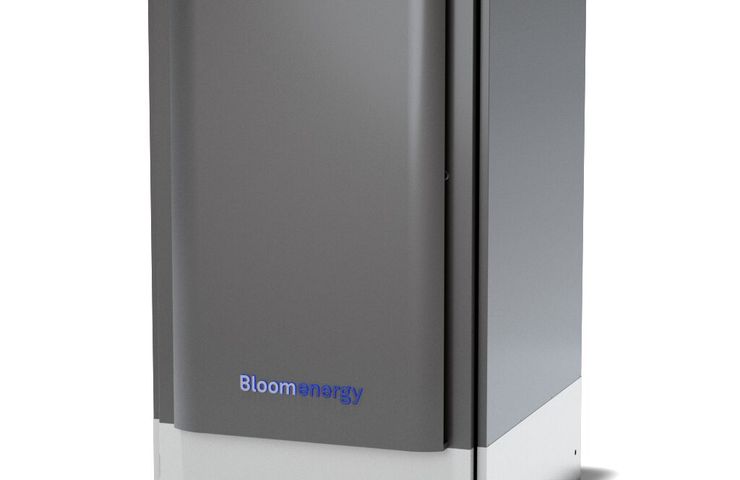
Did you know that the U.S. Department of Energy estimates that data centers consumed about 4.4% of all electricity in 2023? That number might soar to 12% by 2028! With that much demand, the strain on traditional power sources is real. That’s where stationary fuel cells—particularly solid oxide fuel cells (SOFCs)—step in. They can provide always-on, low-emission power right on-site, cutting down on those long waits for grid connections. Companies like Bloom Energy are already all-in on this, having installed around 1.5 GW of capacity globally, with a solid portion dedicated just to data centers. They even have a deal with Oracle to supply up to 2.8 GW of SOFC capacity, showing a lot of confidence in fuel cell solutions for reliable energy.
FCEVs Gaining Momentum in Heavy-Duty Transport
On the vehicle front, while light-duty battery electric vehicles are taking charge in the passenger market, hydrogen fuel cell trucks and buses are starting to carve out their own niche. They really shine where you need long ranges and quick refueling. Ballard Power Systems has been steadily working on supplying proton exchange membrane stacks for heavy-duty fleets. Meanwhile, Plug Power just scored a hefty $132.5 million deal to power a network of data centers with PEM systems and green hydrogen infrastructure. Plus, Cummins is stepping up its game with its Accelera unit, integrating fuel cells and electrolyzers to help meet tough decarbonization targets around Europe and North America.
Policy and Financial Tailwinds
If you look around, it’s clear that supportive policies are helping to make clean hydrogen and fuel cell investments less of a gamble. In the U.S., there's the Inflation Reduction Act’s clean hydrogen production credit that could provide up to $3 per kilogram for low-emission pathways. And they’re not stopping there—investment tax credits for fuel cell properties sweeten the deal even further. The European Union's Hydrogen Strategy, along with national plans in places like Japan and South Korea, are embedding hydrogen into their industry and transport decarbonization initiatives. These incentives really play a crucial role in slashing the total cost of ownership for both stationary and mobile fuel cell applications.
Innovation in Catalysts and Cell Architectures
Let’s not forget about the tech side of things. Innovations are consistently driving down costs while boosting efficiency. For example, non-precious metal catalysts are helping reduce the reliance on pricey platinum, and we now have emerging protonic ceramic fuel cells that combine high-temperature performance with proton conduction, offering simpler system designs. With continued research and development in cell materials and the overall balance-of-plant integration, we can expect to see capital costs dropping even more and applications expanding beyond just niche uses.
Regional Dynamics and Market Risks
Focusing in on the Asia-Pacific region, they’ve built quite a comprehensive hydrogen ecosystem, covering everything from production to distribution, and they've got incentives for vehicles to boot. China’s got ambitious goals, aiming to ramp up its FCEV fleet to 100,000 units by 2030—up from about 40,000 in 2025—putting a spotlight on heavy-duty segments. But it’s not all smooth sailing; challenges like the rollback of hydrogen refueling infrastructure in some areas, price fluctuations in platinum, and competition from battery electric vehicles in lighter categories could put a damper on the growth if there’s a dip in policy consistency or issues with the supply chain.
As data centers deal with the explosive growth from AI and transport fleets scramble to meet stringent emissions targets, hydrogen fuel cells are shedding their old demo-phase label. With robust policy support, increasing capital investments, and nonstop tech innovation, this sector is set to play a significant role in shaping the future of power and transportation.
What to Watch Next: Keep your eyes peeled for the alignment of low-carbon hydrogen supply with offtake agreements, the expansion of refueling networks for those heavy transport corridors, and the commercial launch of advanced cell architectures that might just close the cost gap with combustion-based and battery-powered solutions.