Hydrogen Blending Paves Way for Urban Decarbonization in Existing Gas Networks
Pilot programs in China, the UK and the EU are mixing up to 20% hydrogen in urban gas networks to shave carbon emissions. While the approach leverages existing infrastructure and informs safety standards, technical and regulatory hurdles mean it’s likely a bridge to deeper decarbonization rather than a final destination.
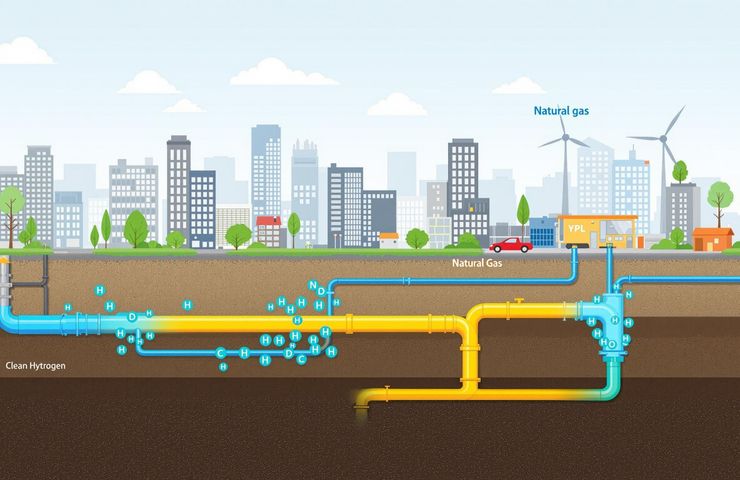
Hydrogen blending into city gas grids is really picking up steam in 2025, with pilot projects in China, the UK and across the EU. Thanks to folks like Hongfang Lu at the Chinese Academy of Sciences, these tests are mixing as much as 20% hydrogen by volume into old pipelines—giving us a smoother path toward carbon cuts and urban decarbonization without tearing apart our existing gas network.
Key Insights
- In 2024, China rolled out its national hydrogen-gas blending trial platform via the State Key Laboratory of Advanced Marine Materials.
- The UK’s HyDeploy and H21 Leeds CityGate pilots have been gathering safety data and public feedback since way back in the late 2010s.
- The EU’s NaturalHy Project set early technical and cost benchmarks that have rippled into global guidelines.
- Big wins here? You tap into existing pipes and shave some costs. Emissions drop by about 7–20%—not earth-shattering but a solid step in urban decarbonization.
- Hang-ups still pop up: pipeline embrittlement, compressor tweaks, evolving regulations and a general lack of public awareness.
Technical Dive
Keeping hydrogen and methane playing nice means controlling the mix (usually between 5–20% H2), pressure and temperature like a finely tuned recipe. Key tech on the scene includes:
- Advanced Piping Materials: Think new steel alloys and composite coatings that laugh in the face of hydrogen-induced cracking.
- Machine Learning for Network Management: AI models that spot pressure swings and sniff out early leak risks, so you can schedule maintenance before trouble brews.
- Compressor Station Modifications: Since hydrogen packs less punch per unit volume, you either retool existing compressors or bring in fresh ones to keep flow rates humming.
Business Angle
For utilities and investors, hydrogen blending is like a foot in the door to a full-blown hydrogen economy. In China, generous grants from the 14th Five-Year Plan are funding demo sites. The EU tapped Horizon 2020 cash for NaturalHy, and UK regulators have rolled out funding caps for early movers. That said, real commercial rollouts hinge on ironing out tariffs, nailing down safety standards and clearing permitting headaches across different regions.
Challenges and Collaboration
Recent studies make it clear: we’ve got some roadblocks to tackle, and it’s going to take a village.
- Technical Barriers: Embrittlement, leakage risks and the extra juice compressors need.
- Regulatory Gaps: No unified standard for hydrogen blends, so approvals can drag on with a patchwork of safety codes.
- Economic Uncertainty: Blending might lower transport costs but could bump up consumer bills if infrastructure upgrades aren’t spread out smartly.
- Public Awareness: Surveys show most people haven’t heard about hydrogen’s role in heating—so there’s homework to do.
Perspective
Let’s be real: blending isn’t the endgame for zero-carbon power. It only trims 7–20% of emissions upfront. But it can:
- Speed up hydrogen supply chain development.
- Build know-how on regulations and operations.
- Get communities and policymakers on board with a visible push for industrial decarbonization and urban decarbonization.
On the flip side, some experts warn that leaning too much on blending could slow down bigger shifts—like full hydrogen conversions or deeper electrification—needed to smash our net-zero goals.
Closing Insight
At the end of the day, hydrogen blending in city gas networks is a pragmatic stopgap. It chops emissions, lays down standards and starts cranking up economies of scale. Its true worth will boil down to how fast we can tackle the technical, policy and social puzzles—and avoid locking in half-measures when we really need to go all-in on sustainable energy and hydrogen infrastructure.