H2SITE Closes €42M Series B Round with EIC Fund to Scale Hydrogen Production and Ammonia Cracking
Spanish industrial firm H2SITE has raised over €42 million in Series B funding, with the EIC Fund joining to support scale-up of its membrane reactor technology and an ammonia cracking demo at the Port of Antwerp.
H2SITE has just wrapped up the second closing of its Series B funding round, raking in over €42 million. In this latest round, the EIC Fund—the venture capital side of the European Innovation Council—joined forces with a group led by Breakthrough Energy Ventures, Suma Capital, Hy24, Crane, Enagás Emprende, Calderion, and CRPV. This injection of cash is set to speed up the scaling of their membrane reactor technology for hydrogen production and push forward a significant ammonia cracking demo at the Port of Antwerp.
Based near Bilbao in Spain's Basque Country, H2SITE has been working hard over the past few years to bring its core technology to life: reactors and separators that mix chemical conversion with selective hydrogen extraction. Their systems have clocked in more than 50,000 operating hours so far. Plus, their European facilities churn out and recycle thousands of palladium alloy membranes annually. With most of the testing behind them, the company is now shifting gears towards executing larger projects and commercializing their innovations on a global scale.
Regional and Industrial Context
The Basque Country has a rich history in heavy industry and steel manufacturing, but it’s making a smart pivot toward advanced manufacturing and renewable energy tech. H2SITE’s base, along with its membrane production sites near Bilbao, benefits from being close to research hubs and the port, which enables them to prototype quickly and deliver to industrial clients in a snap. Speaking of ports, the Port of Antwerp-Bruges is one of Europe's leading hubs, driving initiatives for hydrogen imports and processing. This makes it an ideal spot for their ammonia-to-hydrogen demo.
Scaling Membrane Reactor Technology
Membrane reactors are showing great promise as a way to produce hydrogen more widely and efficiently. By combining both reaction and separation in a single unit, H2SITE’s design pushes chemical reactions towards greater yields while providing high-purity hydrogen that meets industrial pressure needs. The palladium-based membranes are a game-changer, allowing for selective hydrogen passage and cutting down on the need for extensive downstream purification, which ultimately shrinks the size of the entire plant. This efficiency could significantly reduce energy costs for each kilogram of hydrogen produced, a crucial metric for those looking to decarbonize industrial processes and stay updated on clean hydrogen news.
H2SITE has reported that their systems can handle a variety of feedstocks, whether it’s natural gas derivatives, methanol, or ammonia cracking. These modular reactors are designed for easy integration into existing operations. Plus, with their in-house membrane manufacturing and recycling processes in the Bilbao–Bizkaia area, they can maintain performance consistency and keep costs in check as they expand across strategic markets in Europe, Asia, and beyond.
Strategic Financing Blend
The addition of the EIC Fund highlights a growing trend toward mixed financing models for hydrogen infrastructure projects. With over €4 billion under management and around €1.4 billion in signed agreements across more than 300 companies, the EIC Fund aims to bridge the gap between early innovation and real-world deployment. Their approach helps reduce risks for co-investors and opens up more resources from the European Innovation Council’s extensive support network.
Alongside the EIC, investors with a focus on climate and energy transition are backing the project. Breakthrough Energy Ventures brings a wealth of climate-tech know-how, while Hy24 has strong connections in the global hydrogen scene. Corporate supporters like Crane and Enagás Emprende lend their market channels and industry insights. CEO Andrés Galnares calls this funding round a pivotal moment in H2SITE’s journey to becoming a leader in industrial hydrogen solutions, while President Javier Cavada referred to the involvement of the EIC Fund as a “huge vote of confidence in H2SITE’s goal to shine on a European scale in hydrogen technology.”
But it’s not just about the dollars; H2SITE is also collaborating with key energy and industrial players to create solutions for refueling stations, chemical plants, and steel mills. By placing reactors close to end users, they aim to cut down logistics costs and lessen carbon footprints compared to centralized production methods. This distributed approach could really open up new markets and speed up the adoption of hydrogen fuel cells and other zero-emission technologies throughout Europe.
Ammonia Cracking at the Port of Antwerp
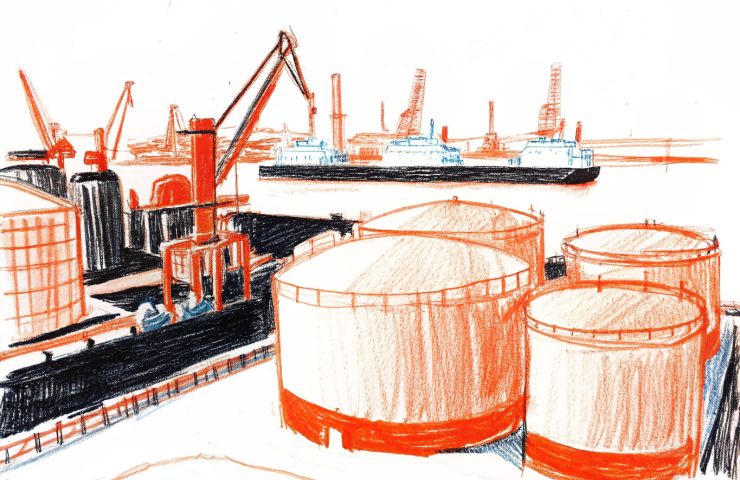
The ammonia cracking initiative at the Port of Antwerp is gearing up to show off the on-site production of low-carbon hydrogen derived from ammonia, using their innovative membrane reactors. Since ammonia can take advantage of existing shipping and port infrastructure, it makes for a practical hydrogen carrier. But cracking and separating it efficiently are crucial for maintaining cost-effective supply chains. H2SITE's method merges catalyst-driven ammonia breakdown with instant hydrogen extraction, optimizing conversion yields while providing compressed gas ready for industrial use.
As one of Europe’s largest petrochemical hubs, the Port of Antwerp is equipped with the necessary storage, logistics, and energy frameworks to support these experimental value chains. This pilot project aims to confirm vital performance metrics—like conversion rates, membrane durability, energy consumption, and overall costs—that will help guide the future development of ammonia-to-hydrogen supply pathways. If successful, this project could revolutionize current hydrogen infrastructure models, providing alternatives beyond pipelines and liquefied transport.
Implications for the Hydrogen Economy
From an economic standpoint, H2SITE's funding success reflects strong investor faith in deep-tech solutions addressing industrial decarbonization. With a roadmap in place for technology readiness, membrane reactors are looking like a fantastic fit for regions aiming to ramp up green hydrogen production. The EU’s Green Deal and REPowerEU strategies are already encouraging low-carbon supply chains, and insights gained from large-scale demonstrations could help shape future grants and subsidies.
Regulatory bodies and market players will be keeping a close eye on outcomes from the Antwerp demo, which will help set standards concerning ammonia imports, hydrogen purity, and safety. If H2SITE meets its targets, their ammonia cracking process might serve as a model for other key ports like Rotterdam or those in the Mediterranean, creating a network of decentralized production points.
On the environmental side, the net benefits really depend on how ammonia is sourced. When coupled with renewable or low-emission hydrogen during synthesis, on-site cracking presents a viable route for achieving clean hydrogen. But thorough lifecycle assessments and strict safety protocols are crucial to manage the toxicity of ammonia and ensure real emissions reductions.
Looking Ahead
With Series B funding in the bag and a high-profile demo on the way, H2SITE is stepping into a critical phase. Their ability to showcase reliable and efficient hydrogen production at the Port of Antwerp will put both their technology and business model to the test. For those keeping tabs on industrial decarbonization efforts, H2SITE's progress will shed light on the feasibility of membrane reactors and ammonia carriers within a diverse hydrogen economy.
As this project moves forward, key indicators like cost per kilogram, membrane longevity, and integration efficiency will be pivotal in guiding investment choices and shaping policy frameworks. If H2SITE can turn its technological potential into operational success, it could become a foundational element of next-gen hydrogen infrastructure—helping Europe and beyond meet ambitious emissions targets while securing low-carbon energy for those tough-to-target sectors.