Höegh Evi Bets Big on Floating Hydrogen via Ammonia Cracking
Höegh Evi and Nord Gas Solutions have validated an ammonia-to-hydrogen cracking module for floating terminals, promising rapid-deployment hydrogen infrastructure offshore.
Think offshore hydrogen imports are just buzz? Well, it looks like that’s changing! Höegh Evi and Nord Gas Solutions have taken some exciting steps by conducting industrial validation tests on a cool ammonia-to-hydrogen cracking system mounted on a floating terminal. Imagine this: rather than going through the hassle of building a land-based facility, you can simply repurpose an FSRU vessel—which is already made for liquefied gas—to turn ammonia cargo into high-purity hydrogen right there at sea. The beauty of this approach is its low footprint and plug-and-play nature, which could save a lot of headaches with permits and upfront costs, all while being strategically placed on existing shipping lanes. If they pull it off, we could see hydrogen infrastructure ready to roll out in a matter of months instead of years.
What’s Happening
According to the latest chatter in the industry, this Oslo-based floating terminal expert has teamed up with Nord Gas Solutions, a Norwegian firm specializing in gas processing technology, to finish up a testing phase for this cracking system designed for marine situations. While we don’t have all the juicy test data yet, both companies have confirmed that their prototype has passed a series of seaworthy stress tests, corrosion evaluations, and basic performance checks in a controlled environment. This aligns perfectly with Höegh Evi’s recent pivot toward ammonia and hydrogen import setups, which you can see in their corporate materials. However, we’re still waiting on independent verification of efficiency metrics, throughput capacity, or any regulatory approvals—so for now, it’s more like an in-house pat on the back than a full thumbs-up for commercial viability.
What It Means
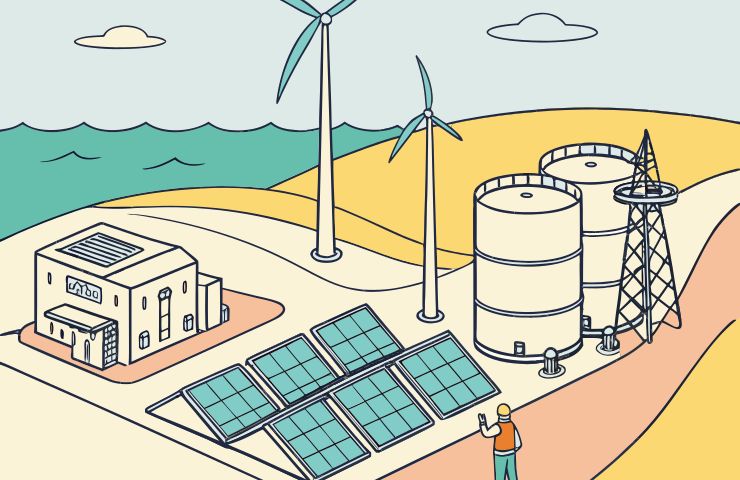
This development could really shake up the game for hydrogen infrastructure. Traditionally, onshore ammonia cracking plants come with their own set of challenges: long construction times, complicated permitting processes, and a need for vast land. By moving the conversion offshore, project developers can skip the usual grid expansions, environmental assessments, and local pushback. For investors, floating terminals turn fixed infrastructure into flexible assets. You could lease a vessel to one region for a few months and then move it to another as demand shifts—much easier than being stuck with a fixed, land-locked plant. This also opens up opportunities for countries with strict land-use rules or sensitive ecosystems; you just need to create a safe exclusion zone around the mooring and do the cracking offshore. Essentially, the barriers to entering the hydrogen production and storage markets have just gotten lower.
The Tech in a Nutshell
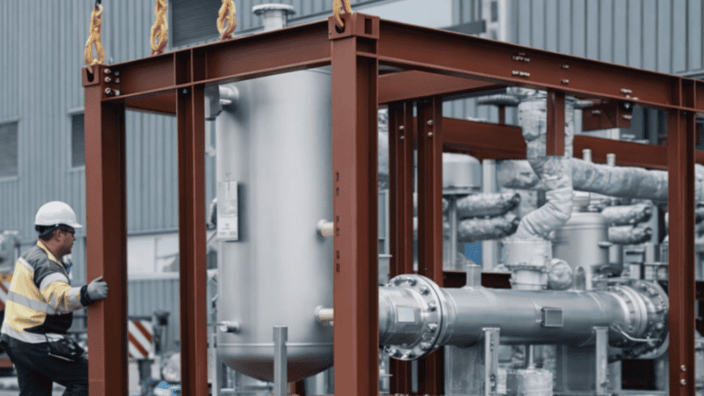
At its core, this module is a skid-mounted catalytic reactor that’s designed to work hand-in-hand with an FSRU's existing pipelines and power systems. Liquid ammonia gets offloaded into the vessel's insulated tanks, where it’s kept nice and cold. When it’s time to crank things up, the ammonia is vaporized and pushed into the cracking unit, which ramps up to high temps using either a nickel or ruthenium catalyst bed to break down the NH3 into nitrogen and hydrogen. While we get how ammonia cracking works on land, doing it at sea comes with its own engineering challenges. Marine-grade materials need to stand up to salt spray and the forces of the waves, not to mention the stresses of being moored in open water. The module has to be compact to fit the existing deck space, modular for scalability, and totally compliant with maritime safety codes for explosive atmospheres. When it comes to handling the hydrogen-rich gas output, there are purification steps involved to get rid of any leftover ammonia and moisture before compressing it for export. And hey, the nitrogen by-product can either be vented or used as inert gas. The real test will be maintaining operations through rough seas and integrating with floating safety and mooring systems, which is definitely a shift from static onshore facilities.
The Business Play
Höegh Evi isn't new to the floating LNG import scene; they’ve been operating FSRUs for ages. By retrofitting or crafting new vessels with ammonia cracking modules, they’re expanding their value chain into the hydrogen arena and tapping into the latest green hydrogen news. They’ve even started highlighting ammonia and hydrogen terminals alongside their LNG business and carbon transport projects in their corporate literature. This partnership allows them to offer a complete import solution: storage, conversion, and send-out, all packaged within their fleet of vessels. For Nord Gas Solutions, this is a fantastic chance to showcase its proprietary cracking tech on a global scale without dealing with the typical headaches of land-based certification. And when you consider financing options like build-own-operate contracts or time-charter agreements, you’ve got the makings of a new asset class: floating hydrogen hubs. It’s likely we’ll see utilities, national oil companies, and independent power producers start to take notice, all searching for flexible hydrogen production strategies to meet their decarbonization targets.
Why It Matters
Ammonia is already a big player in global markets, making its way to power stations and fertilizer plants. It’s packed with more hydrogen per cubic meter than liquefied hydrogen and benefits from an established shipping fleet, ports, and bunkering services. Converting ammonia offshore not only cuts out the need to re-liquefy for hydrogen carriers but also navigates the limited reach of hydrogen pipelines. For regions that lack hydrogen storage options or affordable onshore space, floating terminals could offer fuel for hydrogen fuel cells, peaking power plants, or industrial decarbonization initiatives. Think about data centers or green data centers that require zero-emission standby fuel; instead of constructing a whole onshore hydrogen backbone, they could plug into an offshore hub. This is a clean hydrogen news story that changes the logistics game: buy ammonia through exports, crack it close to where it’s needed, and eliminate the need for that expensive middleman infrastructure.
Maverick Take
Let’s be real: the toxicity of ammonia and the carbon footprint associated with its production are still significant hurdles. A large chunk of global ammonia production comes from steam methane reforming, and without carbon capture, that’s a problem. So unless this floating concept is paired with green or blue ammonia supply, there’s a risk of simply moving emissions offshore. And don’t underestimate the regulatory complexities here: maritime laws, port authority rules, and standards from classification societies regarding explosive environments can get pretty tricky. But if there’s anyone who can tackle these challenges, it’s a team with 50 years of experience in floating LNG paired with a nimble tech partner. What’s truly game-changing isn’t just the reactor itself—it’s the asset-light, flexible business model they’re proposing. We’ve watched the debates over hydrogen fuel cells vs. battery electric solutions go on for years; now, the focus is shifting to carriers and logistics. Offshore cracking could tip the scales in favor of ammonia if it can be done safely and affordably.
Looking Ahead
Floating ammonia-to-hydrogen terminals are moving beyond the lab stage and into real-world testing. The next big challenge will be securing low-carbon ammonia contracts and proving the technology through 24/7 operations even in rough sea conditions. Governments in Asia and Europe, eager for robust hydrogen infrastructure, will weigh the pros and cons of floating versus traditional onshore options. Expect discussions about new maritime regulations, safety zones, and environmental protections to heat up. Keep an eye out for the first converted FSRU to dock at an industrial port with a working cracker on board—that’ll be the moment we know hydrogen infrastructure can truly float. After that, it’s game on for offshore clean hydrogen!