Green Hydrogen Takes Root in Bradford with UK-Backed Production Plant
The UK government greenlights a flagship green hydrogen plant in Bradford, aiming to decarbonise heavy transport and industry while boosting local regeneration efforts.
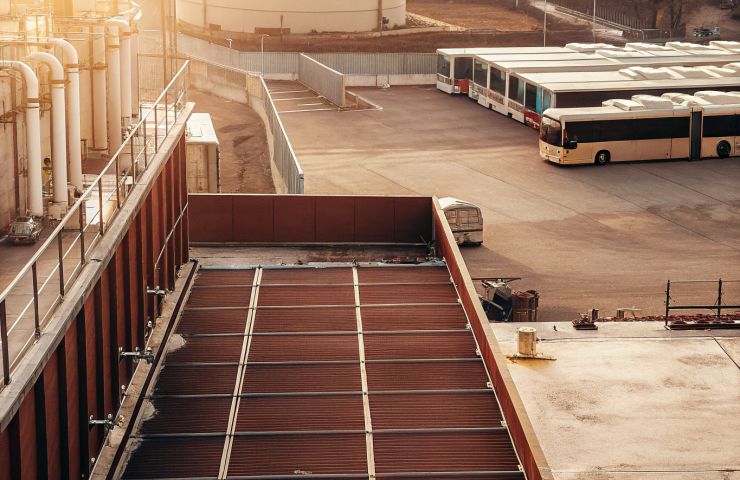
Bradford, a city that once thrived on wool and weaving, is now stitching together a whole new narrative—this time built around green hydrogen and the drive for a clean energy future. On July 23, 2025, the UK government officially gave the green light to a major hydrogen production project in West Yorkshire, signaling a big step toward hitting the country’s Net Zero by 2050 goal.
From Old Gas Storage to a Green Hydrogen Powerhouse
The chosen site couldn’t be more fitting. The new facility will rise from the bones of the Birkshall gas storage site, once a hub of fossil gas run by Northern Gas Networks (NGN). Now, that same ground is on track to host one of the UK’s largest low-carbon hydrogen production plants. The project, led by Hygen Energy and N-Gen Energy Solutions, will use alkaline electrolysis—powered entirely by renewable electricity—to create clean hydrogen, with zero emissions in the process.
This isn’t just about making hydrogen—it’s about putting it to work. The plant will funnel clean hydrogen to power tough-to-decarbonize areas like heavy-duty transport and industrial sectors. And with a hydrogen refuelling station right on site, vehicles like trucks and buses will have direct access to the fuel they need to run emissions-free.
Jumpstarting the UK's Clean Transport Future
Big names are already lining up to plug into this project. Companies like JCB and Wrightbus—both leading players in fuel cell technology—are eyeing the hydrogen that will be produced in Bradford. JCB has been testing hydrogen-powered construction equipment, while Wrightbus made waves by launching the world’s first hydrogen-powered double-decker bus. With a local supply of fuel, the shift to cleaner fleets becomes a lot more real—potentially taking the emissions of around 800 diesel buses per day off West Yorkshire’s roads.
On top of that, it’s a win for Bradford itself. This corner of the North has long been seen as part of Britain’s ‘industrial heartlands,’ and as the city undergoes a wider renewal, the hydrogen project adds a much-needed boost. It’s an investment not just in clean energy—but in jobs, infrastructure, and a sense of direction for future growth.
More Than Just Energy—This Is Industrial Regeneration
This plant goes beyond building green hydrogen—it’s part of a bigger national play. Back in 2021, the UK rolled out its Hydrogen Strategy, promising at least £4 billion in investments and aiming to create over 9,000 high-value jobs. Bradford’s project is one of the first success stories out of the government's Hydrogen Allocation Rounds (HAR1 and HAR2)—designed to fast-track viable, scalable hydrogen infrastructure.
The benefits are easy to see: more jobs, stronger local supply chains, and a cleaner, more resilient economy. And by tackling long-standing issues like air pollution and heavy transport emissions, the project is helping to future-proof the region’s industrial base.
Solid Tech + Smart Policy = Real Momentum
At the center of it all is the alkaline electrolyser—a proven, reliable, and increasingly affordable bit of kit. It uses renewable electricity to split water into hydrogen and oxygen, producing absolutely no CO2. This isn’t pie-in-the-sky technology—it works, and it’s ready for prime time.
From day one, the facility will be kitted out with key hydrogen infrastructure: compressors, storage tanks, and refuelling systems. That means fewer bottlenecks as fuel cell vehicles and hydrogen-run machines hit the road. Plus, it helps beef up the UK’s energy independence by broadening its mix of low-carbon energy sources—a growing priority in today’s global energy landscape.
No Shortage of Challenges—But the Direction Is Clear
Of course, building something at this scale doesn’t come without challenges. We’re talking about big upfront costs, the need to win public support, and keeping pace with evolving regulations. Securing long-term buyers for the hydrogen—especially with vehicles and industry still catching up—is critical. But there’s strong government backing and early interest from key players, so the project’s footing looks solid.
And as more facilities like this get off the ground, the ripple effects start multiplying: costs start to drop, supply chains grow, and investors gain confidence in the broader promise of industrial decarbonization.
What’s Next? Construction is set to kick off soon, aiming for launch by mid-2025. As the hydrogen revolution picks up steam, Bradford is stepping into the spotlight. Other cities and regions across the UK—and even further afield—will be watching closely.
Right now, Bradford’s bold step into green hydrogen shows what can happen when old infrastructure meets a bold new vision. This isn’t just a one-off project—it could be the spark that sets off a true national shift toward clean, homegrown energy.