Green Hydrogen Refueling Demonstration in Alcudia Validates Maritime Hydrogen Infrastructure
Dhamma Blue’s DHB-P01 boat received green hydrogen at Alcudia port this month in a closed-loop test of production, distribution and marine refueling. The trial linked Lloseta’s solar-powered electrolysis plant with a compact dispenser by Argo-Anleg under port authority oversight, validating hydrogen infrastructure steps needed for zero-emission boating.
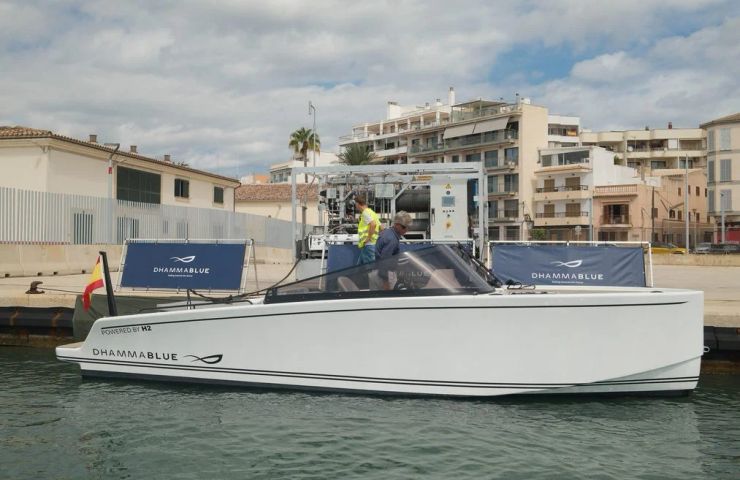
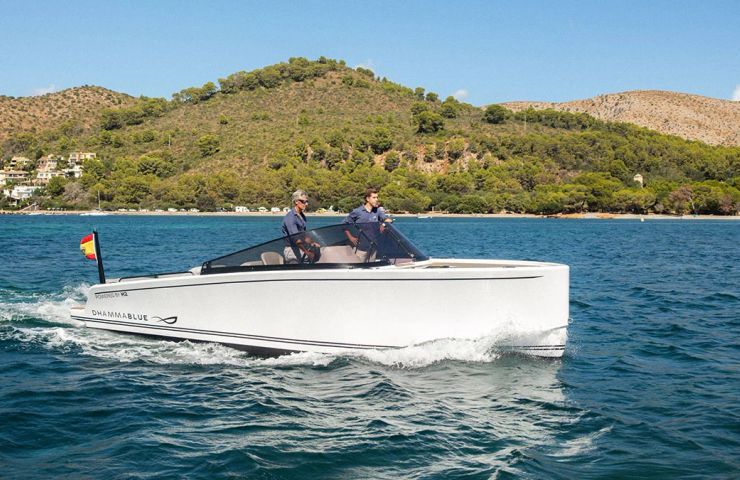
Dhamma Blue recently pulled off a groundbreaking demonstration of green hydrogen refueling for its DHB-P01 recreational vessel at the port of Alcudia in Mallorca. This marks the first hydrogen refueling of a recreational boat in the Balearic Islands, which is a pretty exciting milestone! The whole operation linked renewable hydrogen produced in Lloseta with a compact dispenser from the German engineering firm Argo-Anleg, all with the support of the Autoridad Portuaria de Baleares.
Island-wide Chain Integration
This trial was like threading a needle, bringing together three parts of the hydrogen process that usually don’t get the chance to work together: production, distribution to a marine terminal, and then onboard refueling. The renewable hydrogen is made at the Power to Green Hydrogen Mallorca plant in Lloseta, using electrolysis powered by local solar farms. Once produced, the hydrogen gets compressed and transported to Alcudia, where it’s dispensed through a mobile system that carefully manages pressure and flow into the DHB-P01’s 350 bar, 8.4 kg storage tank. The outcome? A seamless demonstration of hydrogen production, transport, and supply, all contained within a single island.
Vessel Technology Highlights
The DHB-P01 is quite the marvel; it integrates a hydrogen fuel cell, a lithium-ion battery pack, and a 140 kW electric motor. The fuel cell on board does its magic by converting hydrogen into electricity, producing nothing but water vapor as a byproduct. Meanwhile, the 63 kWh battery steps in to manage peak loads and captures some energy during braking. The manufacturer claims the vessel can hit a top speed of 28 knots and cruise for about 65 nautical miles at 12 knots. By combining compressed hydrogen storage at 350 bar with sophisticated controls, this vessel shows how fuel cell technology can meet the demanding needs of recreational boating for power, range, and speedy refueling.
Port Operations and Safety
The port authority played a vital role, from granting permissions to overseeing risk assessments and setting up emergency protocols. The compact dispenser from Argo-Anleg is equipped with safety features like pressure regulation, leak detection, and safety interlocks, though specific details are kept under wraps. Port staff, alongside the vessel operator, followed a detailed bunkering procedure to tackle potential hazards like overpressure and gas release. This operation highlighted how crucial it is to have rigorous training, solid equipment, and well-defined regulatory frameworks when setting up hydrogen refueling stations in marine settings.
Historical Context and Policy Backdrop
This demonstration is part of Mallorca’s strategic push under the Green Hysland initiative, which established the Lloseta plant as Spain’s first industrial-scale green hydrogen facility. Led by ACCIONA Energía and Enagás, in collaboration with partners CEMEX and IDAE, the project faced a rocky start but is now aiming for an impressive output of 300 tonnes annually. Under Europe’s Alternative Fuels Infrastructure Regulation, ports are expected to lay out plans for alternative fuels, yet specific standards for hydrogen bunkering are still being developed. So, the timing of Alcudia’s trial couldn’t be more pertinent, as regulators and operators work to align on technical criteria, safety measures, and permitting processes for hydrogen’s maritime applications.
Economic and Environmental Perspective
Looking at it from an economic angle, a local hydrogen supply chain could really shake things up for Mallorca’s energy sector. It might open up new niche jobs in production and marine services, and even broaden the island’s renewable energy portfolio beyond just electricity. However, right now, the cost of green hydrogen refueling is significantly higher than traditional marine diesel, which puts a cap on widespread adoption, at least for now. Environmentally speaking, fuel cell vessels emit no direct emissions, but a whole life-cycle analysis needs to take into account factors like land use for solar farms, water usage for electrolysis, compression energy, and distribution losses. This trial is crucial for gathering real-world data, helping to fine-tune carbon accounting and providing a clearer picture of trade-offs.
Strategic Implications for Hydrogen Infrastructure
By demonstrating that hydrogen refueling can safely take place in a working port, the Alcudia trial tackles one of the major barriers in the sector. Project partners acquired valuable experience in bunkering logistics, inter-company coordination, and navigating regulatory discussions. For those developing hydrogen infrastructure, the takeaway is clear: creating portable or containerized refueling units could serve remote marinas or tourist hotspots while permanent refueling stations are still in the pipeline. And for boat manufacturers, the DHB-P01 illustrates that hydrogen fuel cell technology can match the performance of battery-electric boats when it comes to range.
But it’s not all smooth sailing. Scaling up will involve standardizing dispenser modules that meet certification standards, creating training programs for port and emergency services, and bringing down the costs of electrolyzers and compression equipment. Financing models need to bundle renewable electricity, hydrogen production, and bunkering services into cohesive agreements. Without ongoing policy support or standout commercial applications—like premium tourism offerings or zero-emission ferry routes—hydrogen boating may find it tough to move past the experimental stage in the near future.
Looking Ahead
The green hydrogen refueling demonstration at Alcudia serves as a concrete proof of concept for maritime hydrogen infrastructure on the island scale. Next, we’ll be looking into operational data, tweaking safety protocols, and considering permanent installations. As regulators finalize bunkering standards and costs for electrolyzers decrease with wider adoption, it will be fascinating to see whether hydrogen becomes a mainstream alternative for zero-emission boating or stays in a special niche for the early birds in the industry.