News
Green Hydrogen Push: Indonesia and HDF Energy Target Maritime Decarbonization
Indonesia partners with HDF Energy to decarbonize maritime transport using green hydrogen and fuel cell technologies. This cross-border initiative could transform Southeast Asia’s clean shipping landscape.
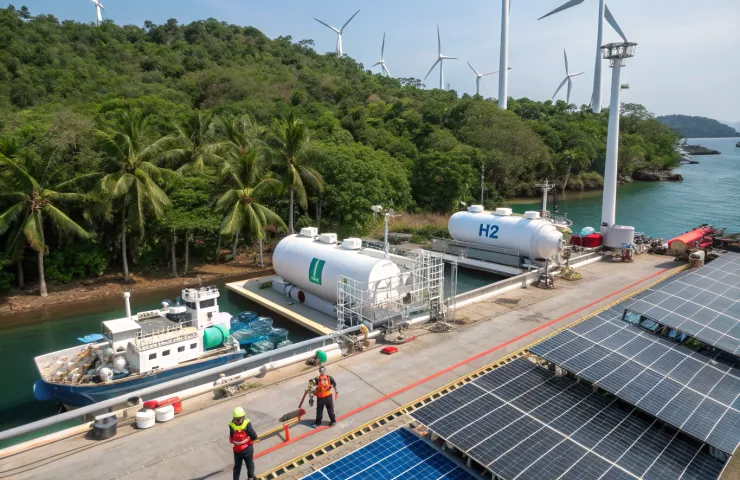
Indonesia Sets Sail on Green Maritime Ambitions with HDF Energy
Indonesia is taking a bold step toward cutting emissions on the high seas. The country’s government has teamed up with France’s HDF Energy, a leader in green hydrogen and fuel cell technology, to help clean up its massive maritime sector. Joining them in this initiative are major domestic players PT Pertamina (Persero) and PT Bakrie & Brothers Tbk, as well as tech firm CSI Technology. Together, they’re laying the groundwork to bring hydrogen-powered port operations and ships to life—starting with feasibility studies and long-term plans to get the infrastructure right.Who’s on Board—and Why It Matters
Announced in mid-2024, this multi-partner effort fits right into Indonesia's push to lead the pack in industrial decarbonization and sustainable energy. HDF Energy brings the technical know-how to the table, especially when it comes to large-scale hydrogen production and advanced power systems. Meanwhile, Indonesia, with its 17,000+ islands and bustling shipping lanes, offers the perfect launchpad. The initial focus? Ports. These hubs will become testing grounds for how practical it is to use green hydrogen as a clean, ship-friendly fuel. We don't yet know which ports will be involved or exactly when construction might begin, but the project is expected to roll out over several years.How It Works: Green Hydrogen in Action
So, what’s powering this cleaner way of shipping? At the core of it all is green hydrogen, made through electrolysis. This process uses electricity from clean sources like solar or wind to split water into hydrogen and oxygen. That hydrogen can then be stored and later used in fuel cells to generate electricity—basically turning water and sunshine into clean power. Onboard ships and around ports, these fuel cells take that hydrogen and convert it back into electricity, effectively replacing today’s polluting fuels with something far cleaner. The only byproduct coming out of the exhaust? Water vapor. While fuel cells aren’t a new idea, bringing them to scale across maritime operations is a big leap—and not a small one, either, from a technical or financial standpoint.What’s in It for Everyone?
This move lines up with Indonesia’s climate targets and overall energy transition game plan. For HDF Energy, it’s a chance to get a foothold in the growing Asia-Pacific hydrogen infrastructure market. Meanwhile, for Pertamina, the state oil player, it’s a meaningful pivot away from fossil fuels and toward the low-carbon future. Yes, projects like this one carry hefty price tags, but there’s a strong business case behind it: less fuel import dependency, fewer emissions from ships and ports, and a boost in foreign investment. Not to mention the appeal of green credentials for exporters trying to meet the carbon requirements of international buyers.Meet HDF Energy: The Power Player
Since launching in 2012, HDF Energy—short for Hydrogène de France—has built a solid reputation for pioneering multi-megawatt hydrogen power plants around the world. Listed on Euronext Paris, the company is known for its hybrid systems that combine renewables and hydrogen to deliver reliable, around-the-clock energy. That’s particularly useful for island nations, heavy industries, and now, shipping ports. Indonesia is just the latest stop on HDF’s global expansion path.Why This Matters for the Whole Industry
It’s no secret—the maritime industry is a big polluter, churning out nearly 3% of global greenhouse gas emissions. Past efforts to clean it up often involved swapping in “less dirty” options like LNG, which isn’t exactly a long-term fix. Green hydrogen, if done right, could completely change the game with its true zero-emission profile. And let’s not forget: Indonesia is a maritime nation through and through. Its economy depends on countless ferries, inter-island shipping, and busy ports. Cleaning up those operations would not only reduce emissions but also bring public health benefits, create green jobs, and improve the country's global trade outlook.What’s Standing in the Way?
Of course, there’s no magic wand here. The technology and infrastructure aren’t cheap. Electrolyzers—which are essential for making green hydrogen—are still pricey. On top of that, there’s a shortage of hydrogen-ready ports, unclear regulations for maritime hydrogen use, and the logistical headache of retrofitting existing facilities. But if this crew—HDF and its Indonesian partners—can pull it off, it could be a powerful proof of concept. One that other island nations or archipelagic countries might want to copy.The Bigger Picture: A Southeast Asia Hydrogen Hub?
This isn’t just about Indonesia going green—it’s about putting the country on the map as a hydrogen trailblazer for the region. If the partnership clicks, Indonesia could become a go-to hub for hydrogen exports and related clean tech supply chains, especially as global companies look for climate-friendly partners. Add to that the international push for net-zero shipping by 2050, and Indonesia’s move looks like it’s coming at just the right time. This project could end up setting a standard not just for Southeast Asia, but for developing nations everywhere aiming to decarbonize without slowing down growth.Wrapping It Up
This partnership between Indonesia and HDF Energy isn’t just another feel-good climate announcement. It’s a serious play to cut emissions in a sector that’s often overlooked yet critically important. It's a mix of ambition, innovation, and strategy—with economic upsides just as compelling as the environmental ones. Sure, it’s early days. But if this alliance can navigate the rough waters ahead, it might just redefine what clean shipping looks like—and help countries across the region chart a cleaner, greener course.How was this article?
Thanks for the feedback!