Green Hydrogen Production: Siemens Energy Spins Off Electrolyzer Business
Siemens Energy will spin off its Transformation of Industry unit—including its Berlin-based electrolyzer business—to external investors, sharpening its focus on grids and retaining a minority stake in the hydrogen venture.
So, what happens when a big player in the energy tech scene decides to run its hydrogen business as a separate venture? Well, that's exactly what Siemens Energy is diving into! They recently announced plans to spin off their Transformation of Industry division, which includes their electrolyzer operations. This isn't just a casual decision; it shows their commitment to green hydrogen production while they shift their focus back to grids and power generation.
A Strategic Carve-Out
The big news here is that Siemens is creating a standalone company that will house not only steam turbines and compressors but also PEM electrolyzers that convert water into hydrogen and oxygen. They’re touting this separation as a way to give the new company more freedom to innovate and attract outside investors. Reports indicate that this division accounts for about 15% of Siemens Energy's total sales, generating nearly €5.7 billion in revenue with a decent profit margin of 11%. That’s a pretty significant chunk of change for the parent company!
From Berlin Factory to Independent Ambitions
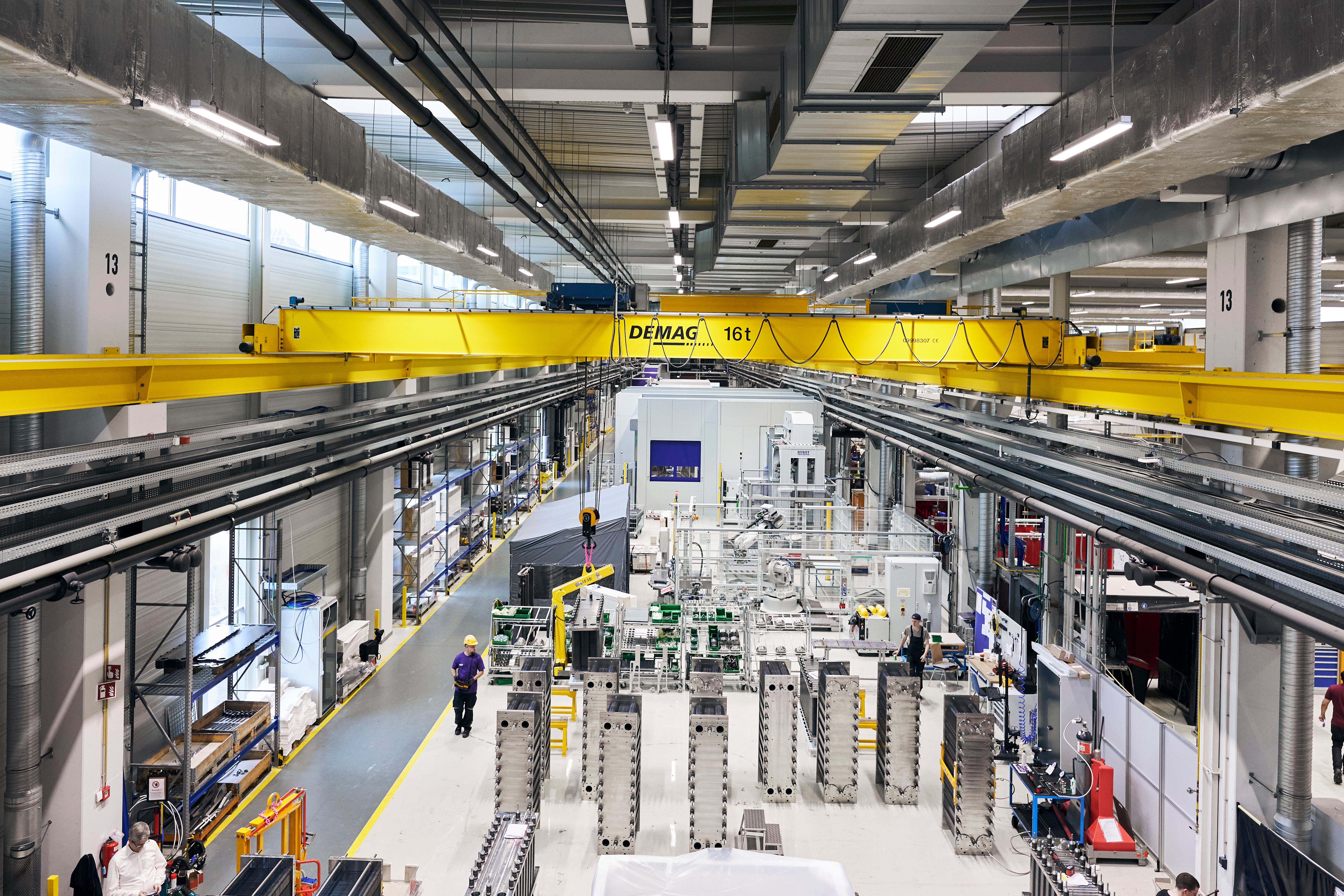
Berlin has really become a hotspot for Europe’s hydrogen dreams. In partnership with Air Liquide, Siemens Energy opened one of the first gigawatt-scale electrolyzer manufacturing plants there in 2023. These plants are cranking out stacks for green hydrogen production, which are headed to projects like France’s Normand’Hy and another huge system in Germany’s Emden region. The goal was to industrialize hydrogen production, moving it beyond just bespoke, one-off projects. And now, they're looking to pitch this operation to outside investors, with a new management team on board that could help speed things up way faster than if it stayed part of a larger energy conglomerate.
Reading the Signals
Of course, some folks might see this spin-off as a sign that hydrogen technology hasn’t fully found its legs yet. Sure, the truth is that making electrolyzers is still pretty capital-intensive, and there's a lot of uncertainty when it comes to demand and project financing. But let’s not mistake this for a total retreat: by keeping a minority stake in the new venture, Siemens Energy can still benefit if it takes off. This move is more about prioritizing where to put their money, focusing on areas with more immediate returns like grid tech and gas turbines, while still holding onto the promise of hydrogen for the long haul.
Ripple Effects Through the Ecosystem
When a major supplier like Siemens shakes things up in the hydrogen realm, you can bet others will be paying attention. Suppliers and project developers will likely reassess their procurement strategies and partnerships. For technology developers, having a standalone electrolyzer company means they might really delve into automation or explore new materials—all without the constraints of their parent company's R&D timetable. And policymakers, who have been fueling Europe’s green hydrogen initiative with grants and partnerships, might see this as a sign that the sector is maturing, shifting from centrally funded pilots to a more market-driven approach.
Why It Matters for Industrial Decarbonization
Hydrogen is crucial for decarbonizing heavy industries and chemicals, but that depends on having reliable supply chains and keeping costs in check. Electrolyzers act as the gateway to zero-emission feedstocks—from ammonia to steel—so how we manufacture them will be key to their widespread adoption. A dedicated electrolyzer venture could lead to a sharper focus on cutting costs, standardization, and syncing up with renewable energy sources. Siemens Energy’s decision highlights the tricky balancing act companies face: they want to invest in new technologies while also delivering solid returns for shareholders.
Looking Ahead
The process of spinning off this new entity is still in the works, and we’re not yet privy to details on valuation, timing, or potential investors. But if this new company can maximize the capabilities of its Berlin factory, capitalize on alliances like the one with Air Liquide, and find investors willing to take on some early-stage risk, it could turn into a major player in the hydrogen infrastructure space. Meanwhile, Siemens Energy might free up some resources for modernizing grids and innovating gas turbines. In an industry that's constantly evolving and full of uncertainties, both moves are worth keeping an eye on—they could pave the way for a lower-carbon energy future.