Green hydrogen production fuels Moeve’s profit boom as Iberian downstream reshapes
Moeve’s first-half results show net profit of €641 million and adjusted profit of €458 million as it ramps up green hydrogen production in its Andalusian valley project. Concurrent talks with Galp to form IndustrialCo and RetailCo promise scaled hydrogen infrastructure and industrial decarbonization across Iberia.
So, what happens when an established oil giant not only triples its profits but also shifts gears towards green hydrogen? Moeve, the artist formerly known as Cepsa, is showing us all that the energy transition doesn’t have to come at the expense of profitability. Recently, this Spanish energy juggernaut released half-year results that really caught everyone’s attention: a net profit of €641 million and an adjusted profit of €458 million, marking a whopping 41% jump from the previous year. And here’s the kicker—they're investing heavily in green hydrogen projects and advanced biofuels at the same time!
Profit Meets Purpose
You might think that making a big push into renewables would hurt profit margins, but that’s not the case for Moeve. They shelled out €605 million during this period alone, with a whopping 69% of that going directly into transition-energy initiatives. This includes ambitious projects like the Valle Andaluz del Hidrógeno Verde and various facilities for electrolyzers, green ammonia, green methanol, and biofuels. Meanwhile, traditional sectors like oil, gas, and petrochemicals are still pulling in cash, thanks in part to smart operations and nimble trading strategies. By keeping their refineries busy and capitalizing on trading opportunities, they’ve managed to fund their green hydrogen ambitions pretty smoothly, without relying too much on outside investment.
In Spain, where refining margins can bounce around like a rollercoaster due to crude prices and carbon market fluctuations, finding that balance between traditional revenue streams and ambitious green projects requires some savvy risk management. Moeve credits its trading desk and optimized maintenance schedules for softening those waves of volatility. That, in turn, helps them keep financing flowing for electrolyzer rollouts and pipeline upgrades. This approach—using profits from oil to fuel the transition to green hydrogen—might just become a playbook for other big players grappling with sustainability in this unpredictable market.
Andalusian Green Hydrogen Valley Accelerates
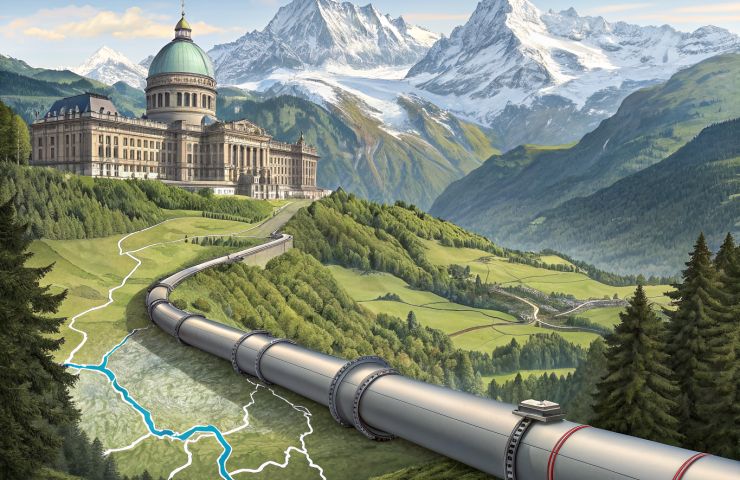
At the core of Moeve's strategy is the Valle Andaluz del Hidrógeno Verde, a cutting-edge hub set to host around 2 GW of electrolysis capacity. Once it’s up and running, it aims to produce about 300,000 tonnes of green hydrogen every year, positioning itself as one of Europe’s largest electrolyzer clusters. The Onuba phase in Huelva has already secured €304 million in public funding, while the entire project is expected to be tagged at over €3 billion. By harnessing solar and wind energy to power dedicated electrolyzers, this site is set to enhance hydrogen infrastructure in southern Spain, linking electrolyzers to storage tanks and pipelines that serve heavy industries, ports, and export routes. Scaling up like this is crucial for cutting down hydrogen costs per kilogram and creating a regional powerhouse for industrial decarbonization.
Plus, this project is aligned with local industrial clusters in Huelva and Cádiz, where chemical plants already consume nearly 40% of Spain’s hydrogen. Switching that demand from grey to green hydrogen means huge CO₂ savings across the board, from fertilizer plants to petrochemical facilities. There are even plans to export derivatives like green ammonia and methanol, utilizing deep-water ports for routes to northern markets—just what Europe needs for clean fuel imports!
Downstream in Iberia: Combining Forces
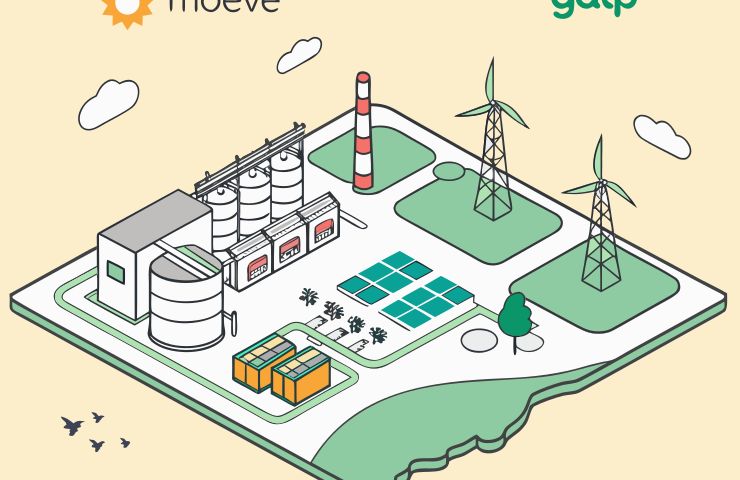
Imagine if you could combine refineries, petrochemical plants, and service stations across two countries. That’s the gamble as Moeve and Galp are in talks to merge their downstream operations into two platforms: IndustrialCo, focusing on refining, trading, and green molecules, and RetailCo for mobility. IndustrialCo would oversee around 700,000 barrels per day from La Rábida, San Roque, and Sines, plus integrated biofuel and green hydrogen units. RetailCo would bring together nearly 3,500 stations in Spain and Portugal, adding electric vehicle charging and future hydrogen refueling stations to the mix. The aim? To unlock synergies that could lead to around 10% in cost savings and boost funding for more hydrogen production projects.
Beneath the surface, both companies see these shared platforms as a way to ramp up infrastructure development. By standardizing pipelines, storage facilities, and turbine backups across their refineries, they can cut out redundancy. On the retail side, modular station designs could hasten the installation of both EV chargers and hydrogen pumps, catering to the growing demand for various fuel options at the pump.
Building Industrial Decarbonization at Scale
This isn't just greenwashing—both companies are diving deep into advanced biofuels alongside their electrolyzer projects. Galp is launching a 100 MW electrolyzer in Sines, which will supply 15,000 tonnes of renewable hydrogen annually, feeding into HVO and SAF units that will produce 270,000 tonnes of low-carbon diesel and jet fuel. Moeve is also gearing up for its own facility in Palos de la Frontera to create sustainable HVO and SAF from waste oils, seamlessly integrated with its refinery. This mix of green hydrogen production and advanced biofuels sets a clear path for decarbonizing heavy transport and industrial processes without sacrificing the efficiencies of existing infrastructure.
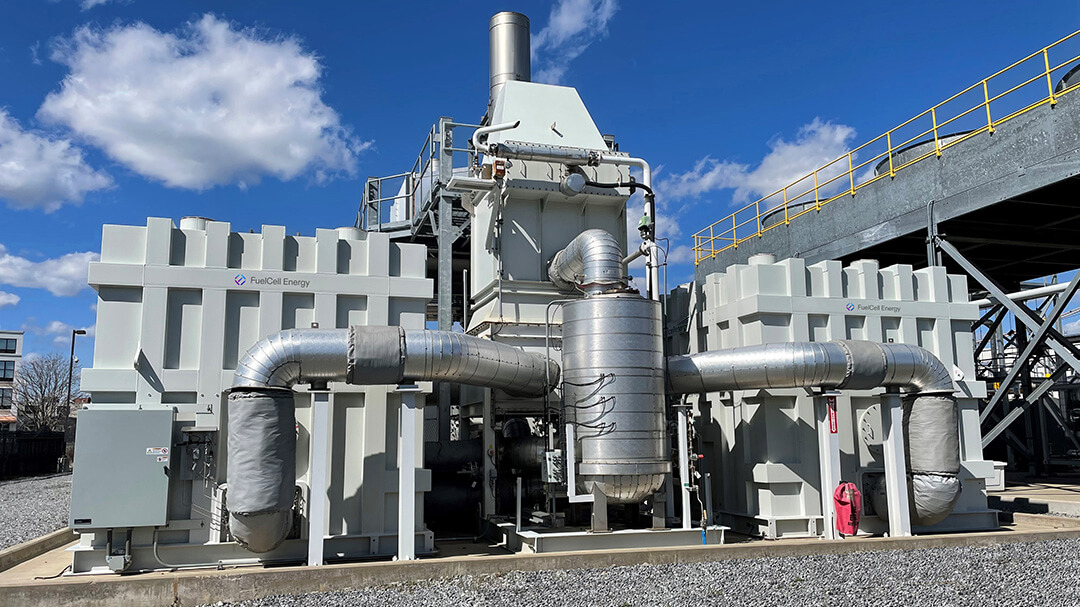
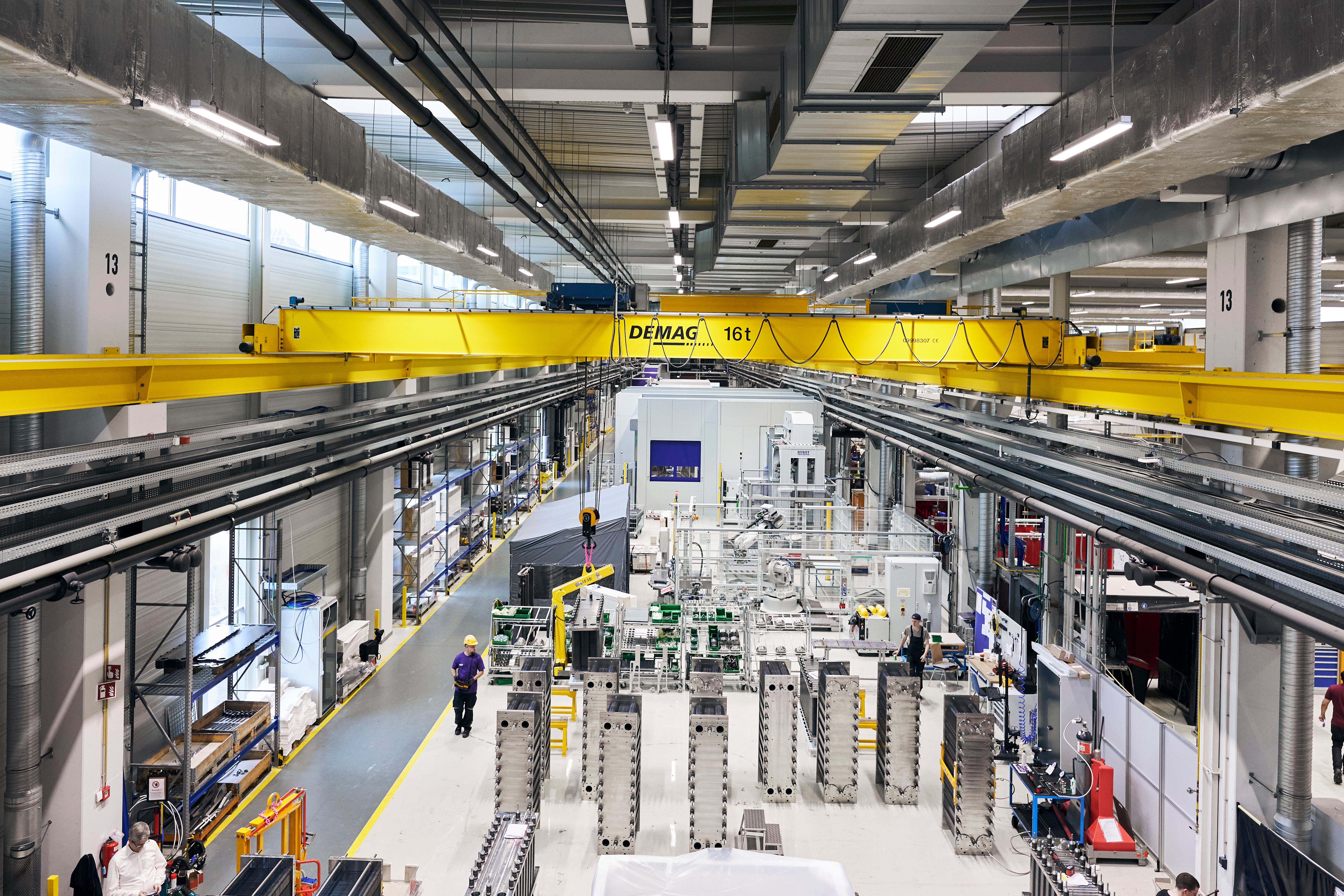
From a tech standpoint, most of the valley's electrolysis capacity will use alkaline or proton-exchange membrane (PEM) units, selected for their reliability and efficiency. Moeve is currently testing bidirectional compressors and new hydrogen storage materials to manage supply during grid fluctuations, while Galp's Sines electrolyzer enjoys a direct pipeline connection to its HVO unit. These innovations highlight a shift in questions from "how do hydrogen fuel cells work?" to practical metrics like uptime, efficiency, and system integration.
Backed by European Momentum
Spain has earmarked over €3.1 billion from its Recovery and Resilience plan to jumpstart clean hydrogen initiatives, and the European Commission’s recognition of Onuba as a Project of Common European Interest underscores the valley's vital role in meeting EU climate targets. Funding from the European Hydrogen Bank is also on the horizon, pairing tenders for electrolyzer capacity with long-term purchase agreements—providing developers like Moeve more certainty about their revenue streams. With this framework in place, the company's stellar first-half results send a strong signal: scaling up green hydrogen production can go hand in hand with navigating the rough waters of commodity markets while fulfilling both decarbonization goals and profitability.
Investor Confidence and Cost Curves
The improved margins aren’t just lucky breaks; they reflect a larger trend. Industry experts are saying that electrolyzer capital expenditures might drop by 20% as demand rises, and Moeve has already secured favorable contracts for key components. On the financing side, this combined platform approach with Galp could open up additional debt capacity for grid enhancements and hydrogen storage solutions. Senior bank executives are predicting that financing terms for large-scale hydrogen projects could start to resemble those of gas plants, with debt periods extending past 15 years, signifying a growing confidence in long-term customer contracts and regulated fees.
Challenges Ahead: Grid, Regulation, Acceptance
Of course, the journey isn’t without its bumps. Getting the grid connections sorted for 7 GW of renewables and 2 GW of electrolyzers in Andalusia is no small feat—it could hit some tricky transmission bottlenecks. Local authorities and Moeve have raised concerns about regulatory uncertainties regarding grid fees and taxes, while environmental advocates are keeping an eye on water use and land allocation. Then there’s the question of social acceptance. Communities have voiced worries about landscape impacts and resource use, causing project teams to rethink layouts and improve transparency. On the regulatory side, competition authorities will keep a close watch on the merged scale, and untangling retail networks will involve complex legal and operational challenges.
Looking Forward
If these initiatives hit their targets, Iberia could turn into a green hydrogen hub, exporting clean fuels and molecules throughout Europe. For investors, Moeve’s impressive first-half performance proves that purpose and profit don’t have to be mutually exclusive—assuming you have the megawatts, pipelines, and savvy partnerships to back it up. As IndustrialCo and RetailCo begin to take shape, the landscape of refineries and service stations in the region is set for a transformation, ushering in a new era of integrated energy and mobility services grounded in zero-emission tech. As the markets lean into hydrogen energy news, Iberia is shaping up to be a major case study on scaling green hydrogen production to meet industrial decarbonization needs.