Green Hydrogen Production Pilot Validates Hybrid AEM Electrolyzer at Repsol’s All4Zero Hub
P2H2 and Repsol completed a successful pilot of a hybrid AEM electrolyzer at Repsol’s All4Zero hub in Spain, running over 1,250 hours under variable load and up to 30 bar, demonstrating dynamic operation and potential cost savings for green hydrogen production.
P2H2 and Repsol recently completed a pilot project showcasing their hybrid Anion Exchange Membrane (AEM) electrolyzer at the All4Zero industrial innovation hub in Spain. After running for over 1,250 hours, using various renewable power sources and handling pressures up to 30 bar, this electrolyzer produced hydrogen with a remarkable purity of 99.9%, even while shifting its load from 40% to 100%. This demonstration could potentially lead to a service life exceeding 50,000 hours, filling a crucial gap in making industrial-scale green hydrogen production more affordable and efficient.
This trial comes at a pivotal time as both Spain and the European Union ramp up their hydrogen initiatives to meet decarbonization targets. With national capacity auctions and the newly established European Hydrogen Bank offering financial support for electrolyzer projects, Spain's hydrogen strategy is encouraging the formation of industrial hubs and renewable energy corridors. So, this pilot project is more than just a tech test—it’s a key piece of the puzzle combining policy, finance, and tech readiness, which investors and partners can look to as they explore different electrolysis solutions.
Market Impact
By leveraging the cost benefits of alkaline electrolysis with a flexible membrane-based system, P2H2 is setting its sights on competing with the more established PEM technology in medium-scale setups. The company estimates a levelized cost of hydrogen (LCOH) around €3.86 per kilogram, which they believe could drop to about €2.82 per kilogram under the right conditions. The best part? They’re aiming to do this without resorting to costly iridium or platinum catalysts. While these numbers still need third-party validation, they clearly position P2H2 as an attractive option for heavy industrial players in sectors like refining, chemicals, and steel, where scalable hydrogen utilization can lead to significant emissions cuts.
For Repsol, hosting this pilot at its All4Zero hub underscores a savvy strategy to minimize risk. Instead of going it alone with research and development, the energy giant has partnered with tech developers and material suppliers to test various electrolyzer chemistries side-by-side. This modular approach allows Repsol to streamline its future deployment strategy by comparing capital expenditures, efficiencies, and integration challenges across different types of electrolyzer stacks before making hefty investments.
Those keeping an eye on hydrogen project financing will be closely monitoring what comes next: if the follow-up demonstrations prove successful, it could pave the way for third-party supply agreements and more attractive project structures. As businesses strive to secure long-term contracts for renewable hydrogen, showing they can deliver consistent, high-pressure output with predictable costs is becoming a major bargaining chip.
Technical Snapshot
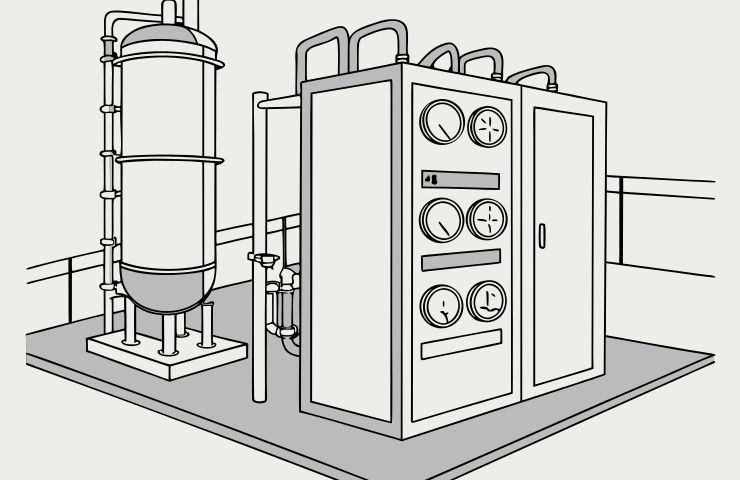
The hybrid AEM electrolyzer operates by feeding water into a nickel-based cathode, which kickstarts hydrogen production and generates hydroxide ions. These ions travel through the anion exchange membrane to a coated anode, where oxygen is released. A standout feature of P2H2’s stack is its compact membrane electrode assembly, which maintains high pressure without the need for bulky separators, allowing for direct integration into storage systems or pipelines.
During the pilot, the system achieved current densities on par with traditional alkaline units, maintaining stack efficiencies above 60% lower heating value (LHV). Fast load adjustments—from partial to full output—were achieved in under a minute, showcasing the stack’s compatibility with variable renewable sources like solar and wind. Pressure tests confirmed that seals and stack integrity held up at both 20 and 30 bar under practical conditions, while purification systems guaranteed 99.9% purity of hydrogen, making it suitable for fuel cells or industrial applications.
The study also monitored the longevity of the membrane and catalyst, with voltage shifts and gas crossover metrics providing insights into performance degradation. While some decline was expected, consistent with similar durability studies, the degradation rate indicates a projected life exceeding 50,000 hours. This addresses a major hurdle for AEM technology: maintaining membrane stability over extended duty cycles in alkaline settings. Future pilot phases will dive deeper into scaling effects, optimizing the balance of plant, and exploring advanced materials to further mitigate degradation.
Key Takeaways
- The pilot proved over 1,250 operational hours at pressures between 2–30 bar while achieving hydrogen purity levels up to 99.9%, contributing to industrial decarbonization efforts.
- P2H2 anticipates a stack lifetime surpassing 50,000 hours and forecasts an LCOH of €3.86/kg, possibly decreasing to €2.82/kg based on optimal scenarios, pending independent verification.
- This hybrid AEM design effectively marries the cost efficiency of alkaline systems with the dynamic response of PEM, all while avoiding reliance on expensive iridium, aiming to simplify the overall infrastructure and reduce capital expenditures.
- Repsol’s All4Zero hub, established in 2023 and collaborating with partners like ArcelorMittal and Holcim, is becoming a multifunctional testing ground for disruptive decarbonization technologies.
- Results from the pilot will help shape Repsol’s future investments, hydrogen offtake deals, and involvement in EU supported electrolyzer capacity plans.
Parallel Developments
Other AEM projects in Europe echo this pilot's ambitions. In Belgium, P2H2 is deploying hybrid stacks in various industrial settings to study long-term performance under different renewable energy conditions. Additionally, both startups and established companies are experimenting with modified alkaline designs to close the performance gap with PEM technology. The competition for medium-scale electrolyzers, ranging from 500 kW to 5 MW, is heating up, fueled by national initiatives supporting hydrogen production and industrial decarbonization.
Meanwhile, research institutions are making strides in membrane technology to withstand alkali conditions, which enhances conductivity and durability. The Department of Energy and other technical reviews indicate that solving the durability conundrum is the remaining challenge for commercializing AEM. As more demonstration campaigns roll out, we’ll get a clearer view of which technology strikes the best balance between costs, efficiency, and adaptable operations.
Future Outlook
Looking ahead, P2H2 and Repsol are weighing the option of a larger-scale demonstration, likely in the 500 kW to MW range, depending on funding, supply chain conditions, and long-term hydrogen supply agreements. If this next phase succeeds, it would affirm the feasibility of their manufacturing processes and the efficacy of scaling up systems for integration with compression, purification, and safety protocols. As industrial players assess their green hydrogen options, the advent of reliable hybrid AEM technologies could open a sweet spot: cheaper than PEM and more flexible than traditional alkaline systems, all while relying less on pricey metals.
With European policy incentives coming together around electrolyzer procurement, decisions made today on hydrogen technologies may significantly impact the hydrogen cost curve for years to come. Companies that secure early access to these proven systems could reap the benefits of being the first movers in decarbonized product lines and renewable energy credits. Ultimately, the All4Zero pilot highlights a crucial truth for the green hydrogen sector: solid performance data will always carry more weight than laboratory promises when it comes to attracting investment and securing offtake agreements.
The recent pilot at Repsol’s All4Zero hub demonstrates that hybrid AEM electrolyzers are making the transition from mere concepts to commercial viability, paving the way for cost-effective and flexible green hydrogen production geared toward industrial decarbonization.
About the Company
P2H2 is a startup based in Columbus, Ohio, focused on developing hybrid AEM electrolyzer systems for green hydrogen production. Repsol is a Spanish integrated energy company committed to advancing renewable hydrogen through innovative platforms like All4Zero.