
Waste-to-Hydrogen Breakthrough Turns Plastic into Clean Fuel
Hydrogen Utopia International raised £850,000 to expand modular waste-to-hydrogen plants converting non-recyclable plastic into green hydrogen.
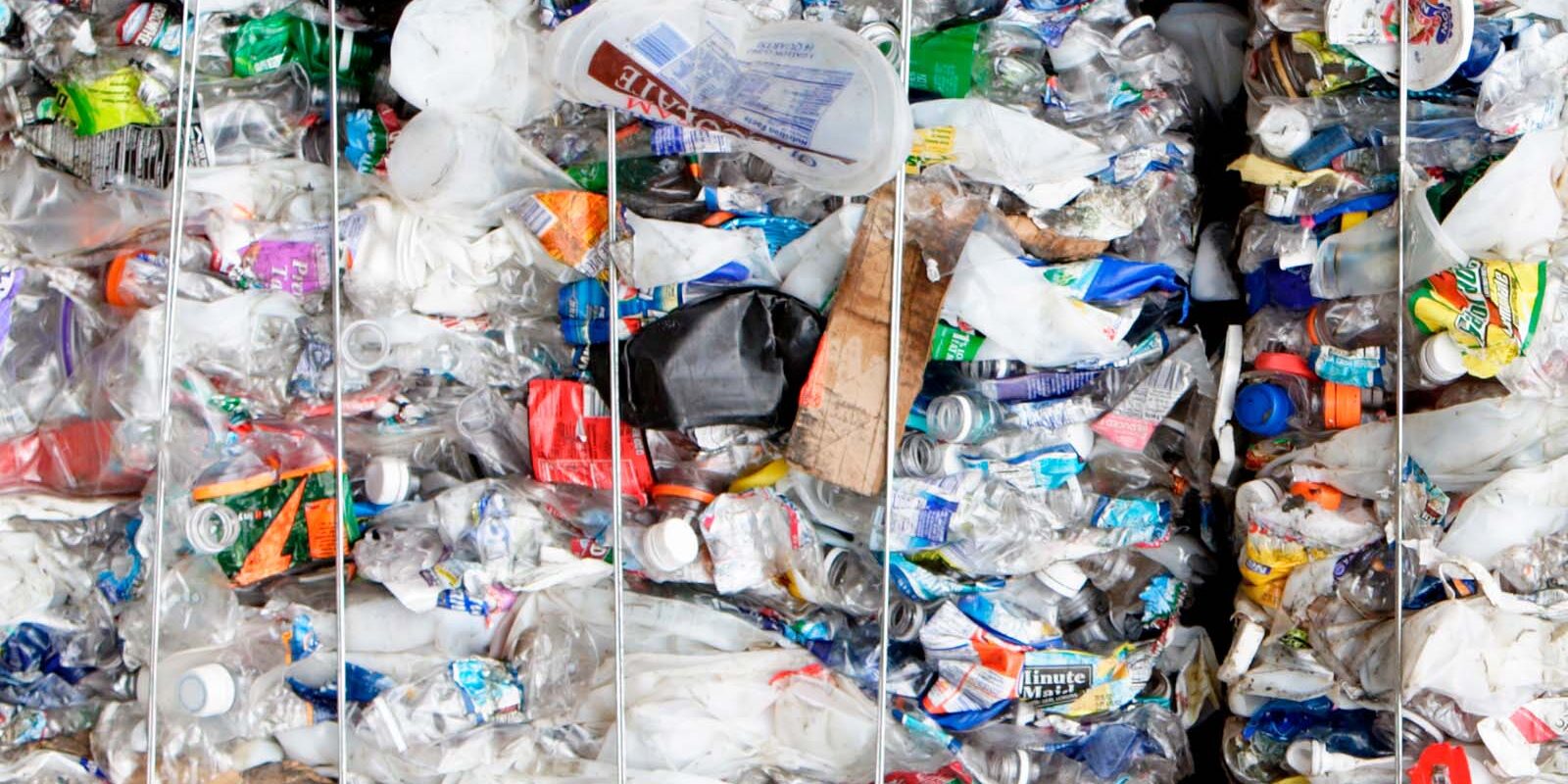
Hydrogen Utopia International (HUI) have snagged £850,000 in fresh funding to branch out into new markets and fine-tune their modular waste-to-hydrogen plants. They're on a mission to transform non-recyclable plastic waste into green hydrogen, electricity, heat, and advanced materials. Why's everyone so excited? Because the plastic waste crisis is getting out of hand, and industries are scrambling to find cleaner fuels. Buckle up, because using trash for clean energy is about to become a reality!
The Plastic Problem Meets Our Clean Energy Needs
Every year, millions of tons of non-recyclable plastics end up in landfills and pollute our oceans. Traditional incinerators may generate some power, but they pump out greenhouse gases and toxins. Meanwhile, the craving for hydrogen is soaring—but a lot of that still comes from fossil fuels. It's a messy cycle of pollution feeding more pollution. But HUI thinks they’ve cracked the code. By merging waste management with hydrogen production in a single, clever process, they’re tackling two huge global issues at once.
Enter the Modular Waste-to-Hydrogen Wonder
At the core of HUI’s innovative approach is Powerhouse Energy’s DMG® thermochemical conversion system. Here’s the cool part: you don’t need clean, sorted plastic to make it work. They take mixed waste plastic, shred and dry it, and then shove it into a sealed reactor. The magic starts with heat, which vaporizes the plastics and sorts out the contaminants. Then, crank up the heat even more, and voilà! You break those molecules apart into a gas mix. The result? Syngas—a blend of hydrogen, methane, and carbon oxides. They clean up that syngas and use pressure swing adsorption to pull out ultra-pure hydrogen at a whopping 99.999% purity. And that leftover gas? It powers turbines for electricity and heats up local systems.
Turning Landfill Headaches into Low-Carbon Assets
This isn’t just some lab experiment. HUI’s modular plants can handle around 40 tonnes of plastic waste a day and churn out about 2.7 tonnes of high-purity hydrogen, plus megawatts of electricity and heat. Imagine local governments cashing in on their plastic mountains, fueling buses and trucks without relying on fossil fuels. For industries, it means hydrogen production can happen right on-site—no long-distance transport or massive storage tanks required. Plus, it slashes greenhouse gas emissions compared to traditional methods like incineration or fossil-derived hydrogen. It’s efficient, scalable, and, yep, you guessed it—sustainable.
Proof of Concept in Poland
HUI’s flagship project is taking place in Konin, a city that used to be all about coal. Teaming up with engineering partners like Linde Engineering, Electron Technologies BV, and Sweco, they envision ten DMG® units spread across a 1.5-hectare site. Each module is set to convert 40 tonnes of plastic waste daily into syngas. They’ve got clean-up systems to take out tars and contaminants, and pressure swing adsorption gets the ultra-pure hydrogen out. This hydrogen is then used to fuel city buses and big trucks, while the electricity and heat generated feed the local grids. This initiative aligns perfectly with the EU Just Transition Fund goals, helping coal-dependent areas switch to cleaner energy solutions.
From Vision to Reality
Over in southwest Poland, HUI’s subsidiary has signed a letter of intent with Wałbrzych’s municipal authority. They’re still nailing down the details, but the aim is the same: to turn mixed plastic waste into distributed hydrogen and energy. By teaming up with local infrastructure companies, HUI plans to navigate construction risks and speed up permits under tough environmental regulations.
Funding, Partners, and Future Prospects
Raising £850,000 through a share placement at 2.0 pence per share isn’t just about getting money—it shows that investors believe in early-stage hydrogen infrastructure projects. HUI has enlisted Clear Capital Markets as their sole broker to keep them active in the equity markets. This latest funding builds on previous efforts for feasibility studies and joint ventures, indicating a steady march toward building their project pipeline. Recent updates reveal some proceeds will support expansion into Saudi Arabia and extend licensing agreements with a partner mentioned as “Inentec,” though that hasn’t yet been officially confirmed. The statement also highlights ambitions under their “Fortress Fuels” initiative to delve into advanced fuels like sustainable aviation fuel, even if there are still early-stage technical details to work out. Meanwhile, partnerships with Powerhouse Energy, Linde, Electron, and Sweco bring valuable technology, gas processing expertise, and environmental design into the mix.
Shaking Up the Waste and Energy Scene
Let’s get real: waste-to-energy tech has been around for decades, but most plants just burn mixed waste and waste valuable energy in the process. HUI turns that idea on its head by extracting hydrogen from plastics, offering something much more valuable than just electricity. This clever, modular design means you can right-size capacity, set up where it’s needed, and operate on renewables for a nearly zero-carbon footprint. Life-cycle assessments show that when powered by renewables, this process can slash greenhouse emissions by up to 70% compared to traditional waste incineration, making it a compelling clean hydrogen solution in regions battling both waste and energy transition challenges.
What’s on the Horizon?
With Europe as its testing ground, HUI is eyeing markets overseas that are hungry for low-carbon hydrogen. The localized waste streams and minimal water use make their technology appealing for areas tackling plastic pollution and energy transition goals. As more pilot projects launch, they’ll be gathering valuable operational data to tweak reactor designs, reduce costs, and enhance feedstock flexibility. Keep an eye on HUI’s progress. As the first modules start revving up, we’ll see whether this approach can hold its ground against green hydrogen produced from electrolysis or blue hydrogen with carbon capture. One thing’s for sure: plastic waste is about to be viewed in a whole new light.
Get Ready for a Cleaner Tomorrow
This isn’t just another feel-good green energy story—it’s a model that everyone’s been waiting for. By turning plastic waste into ultra-pure hydrogen, Hydrogen Utopia International is tackling two pressing crises at once. Local governments, investors, and transport operators are taking serious notice as the first plants transition from ideas to reality. Now the big question is: who’s going to follow in their footsteps? The age of trash-powered hydrogen has arrived, and it’s gaining momentum fast.


