Ohmium and Hynfra Forge Framework for Middle East & Africa Projects
Ohmium and Hynfra announce a framework cooperation agreement to develop large-scale green hydrogen projects in the Middle East and Africa. The non-binding deal pairs Ohmium’s modular PEM electrolyzers with Hynfra’s project development pipeline. Key details—capacities, power deals and timelines—are still under wraps, highlighting the gap between strategic signals and funded builds in the hydrogen sector.
Forget those slow and steady announcements! Ohmium and Hynfra just dropped some exciting news with a cooperation agreement aimed at hunting down big opportunities for green hydrogen production across the Middle East and Africa. It’s an interesting partnership on paper, combining a modular PEM electrolyzer supplier with a project developer focused on industrial decarbonization and exports. But here’s the catch: right now, it's more of a friendly handshake than a formal investment commitment—something that's pretty important in a market filled with grandiose statements but lacking real action.
What’s the Deal?
The agreement was shared this month in a Spanish-language release, but it didn’t dive into too many specifics. No binding commitments, no capacity goals, and no particular project sites were mentioned. They call it a “framework cooperation agreement,” where Ohmium will provide its modular PEM electrolyzer systems along with project support, while Hynfra will be busy identifying and pushing forward large-scale green hydrogen projects in the region. They plan to tackle everything from tech selection to basic engineering and procurement, although the nitty-gritty details are still up in the air. Publicly, Ohmium is recognized for its Lotus series, known for being factory-built stacks that work well with variable renewable electricity. However, Hynfra’s footprint is a bit hazy, hinting that we might need to do a little more digging before assuming they have a rock-solid pipeline of development projects. There’s also been no word on potential capital expenditure or whether they have any government partners, leaving some vital questions hanging in the air. Those keeping an eye on this deal will be curious to see if it turns into firm engineering contracts or if it fades into ambiguity like so many others.
Why Should We Care?
In both the Gulf region and sub-Saharan Africa, governments are banking on green hydrogen production as a way to diversify their economies and reduce emissions from heavy industries. Nations rich in solar resources are eyeing ammonia exports using existing LNG facilities, while many African countries are looking to build industrial corridors powered by renewable energy. But here’s the deal: turning these promises into actual projects requires more than just policies—it’s all about credible tech providers, solid development partners, and bankable offtake agreements. This partnership between a modular PEM electrolyzer supplier and a project developer is aimed at bridging that gap between great ideas and real execution.
Investors and off-takers tend to favor clarity around contracts for power supply, access to water, site permissions, and long-term pricing. This framework agreement lays the groundwork for some early alignment on those issues, but it doesn’t lock in power purchase agreements or water rights just yet. That distinction is crucial in a sector where the headlines often outpace actual with real groundwork taking place. If this partnership evolves into engineering, procurement, and construction contracts, backed by non-binding offtake agreements, it could help shape local hydrogen infrastructure and support future hydrogen project financing. Until then, though, it's just a shout in a crowd that’s aching for tangible assets.
Technical Spotlight: PEM Electrolyzers
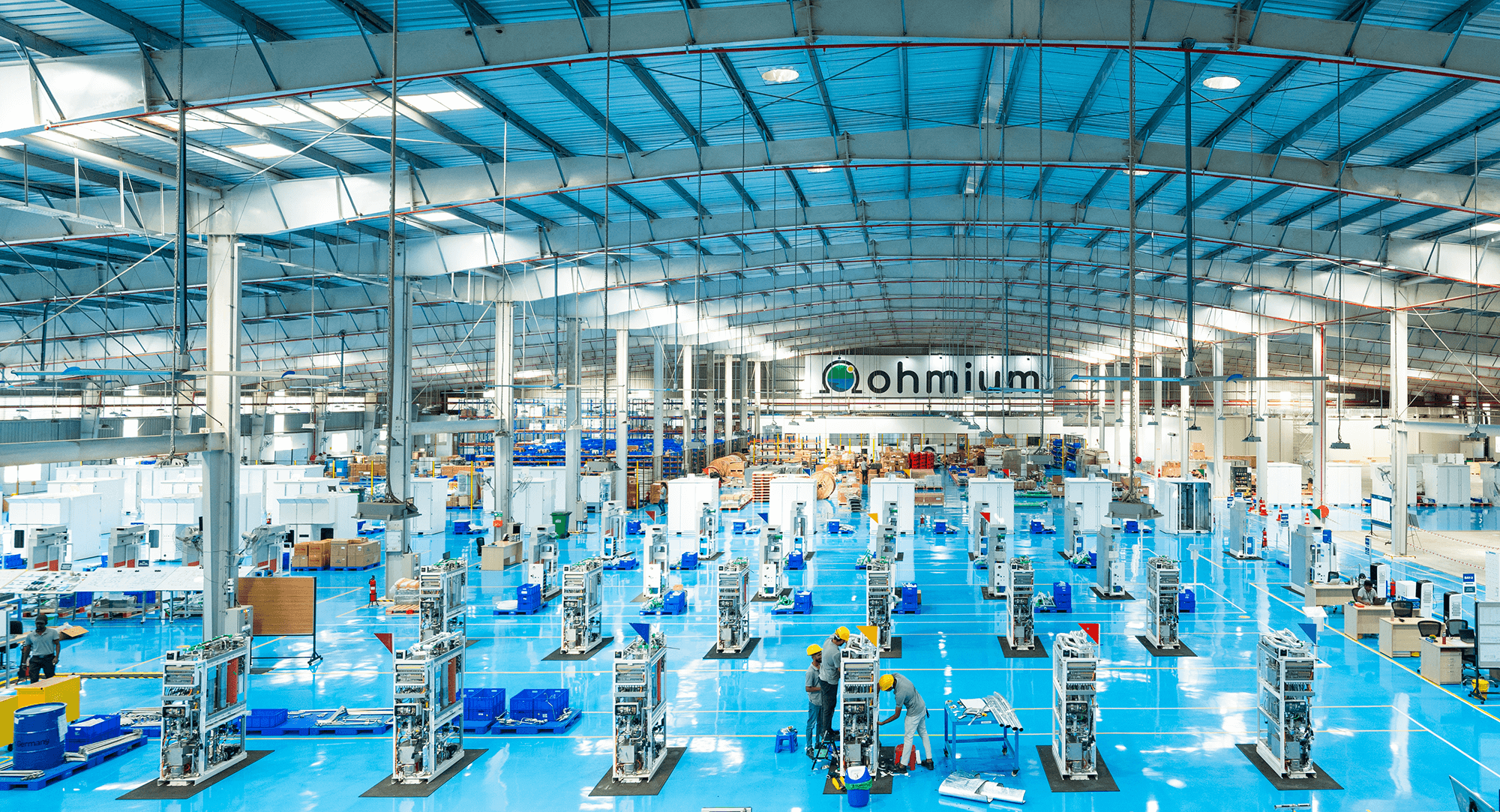
A proton exchange membrane (PEM) electrolyzer separates hydrogen and oxygen by splitting water using a polymer membrane under DC current. Unlike alkaline systems, PEM electrolyzers produce high-purity hydrogen at elevated pressures, and they can quickly adjust output to sync with the shifting demands of solar or wind power. This makes them an appealing choice for pairing with large-scale renewable projects in sunny or coastal areas. Ohmium’s Lotus units focus on modular, factory-built setups that can be clustered together to create megawatt-scale capacity, making construction logistics a lot simpler compared to custom, massive electrolyzer builds.
Each module contains multiple cells where water at the anode gets oxidized, sending protons through the membrane to the cathode, where they come together to form hydrogen gas. The whole process is zero-emission if it’s powered by renewable energy, and smart grid controls can optimize operations around price spikes or energy generation peaks. For businesses considering hydrogen fuel cell applications or ammonia synthesis, the quick-start ability of PEM tech can help maximize the use of intermittent solar and wind resources, making green hydrogen production even more economically viable.
Partnership Playbook
MOUs and framework agreements have become pretty standard in the green hydrogen scene: they help technology providers get visibility, developers hint at the projects they’ve got cooking, and governments find strategic partnerships. The real magic happens when these letters of intent turn into binding engineering, procurement, and construction (EPC) contracts, locking in financing and offtake agreements with buyers looking for industrial or export options.
In this case, the Ohmium-Hynfra agreement follows that script—high-level discussions about project identification, technology choices, and support services. However, there’s been no word about any power purchase agreements, water plans, or land leases being set up. There haven’t even been any reports on capacity or capital costs yet. This means for financial institutions and supply-chain partners, the deal is more of a marketing tool until more information is made available.
But hey, early alignment can still be a big deal. Developers need to feel confident that their electrolyzer partner can hit performance and delivery timelines, while suppliers are eager for a foothold in the region to justify ramping up production. If this framework does transform into firm orders, it could really kickstart local hydrogen infrastructure, boost orders for electrolysis equipment, and foster the creation of green hydrogen production hubs. If not, it risks becoming just another story of high hopes that never got off the ground.
Maverick Take
I’ve seen this play before: companies announce flashy MOUs, grab some headlines, and before you know it, the projects dissolve into presentation purgatory. Still, pairing a nimble PEM electrolyzer vendor with a local developer sounds promising—if it can lead to bankable off-take agreements and real funding. Investors will be on the lookout for hints that turn into something solid: named locations, power deals, water rights, and EPC contracts. Until then, it’s just a strategic teaser rather than proof of a booming green hydrogen market.
Looking Ahead
The upcoming milestones will show whether this cooperation stays in the realm of ideas or leads to real construction projects. Keep your ears to the ground for announcements about power purchase agreements, government support, capital funding, and non-binding offtake letters tied to industrial or export clients. If these pieces come together nicely, the Ohmium-Hynfra partnership could mark a significant shift toward building export-oriented clean hydrogen hubs in solar-spotting regions. If not, it might just become another hydrogen headline that never crossed the finish line.