Green Hydrogen Infrastructure: RWE’s Lingen Plant Sends First Renewable Hydrogen to Marl Chemical Park
RWE’s Lingen plant has shipped the first batch of RFNBO-compliant green hydrogen via a dedicated 120 km pipeline to Evonik’s Marl Chemical Park, marking Europe’s first integrated large-scale production-transmission-offtake chain.
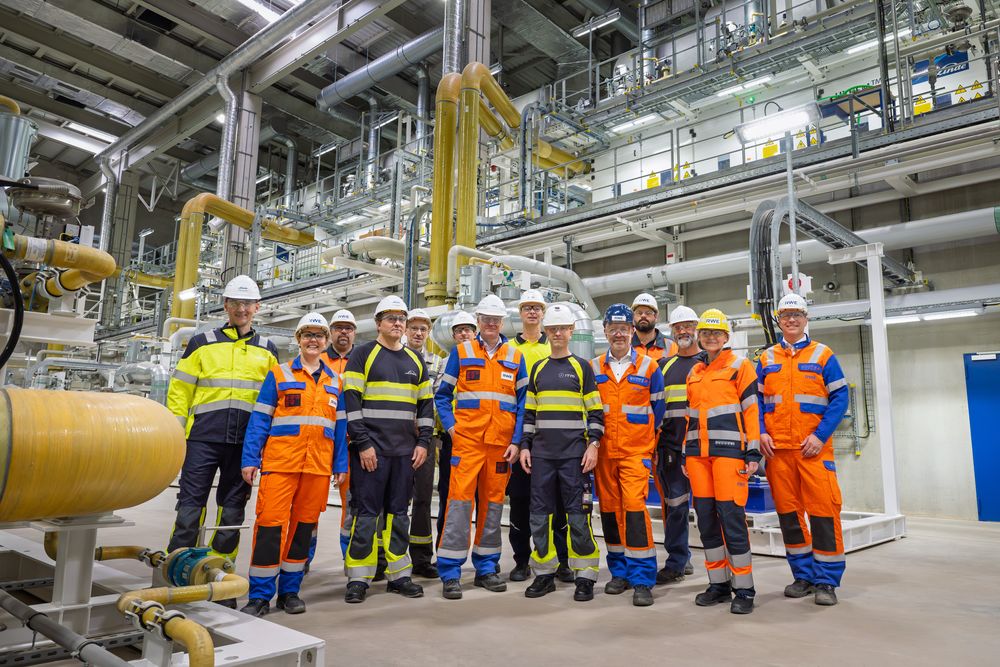
At RWE’s Emsland gas-fired power station in Lingen, Lower Saxony, they’ve just hit a significant milestone! Two powerful 100 MW PEM electrolysers from ITM Power, brilliantly integrated by Linde Engineering, are now pumping out renewable hydrogen into a dedicated 120 km pipeline that stretches all the way to the Evonik’s Marl Chemical Park. This isn’t just a small step; it’s the kickoff of the full-scale operation of the GET H2 Nukleus system, which means we’re seeing large-scale green hydrogen production, regulated transmission, and industrial offtake all come together in one seamless process.
Lingen has been a hotbed for Germany’s hydrogen aspirations for a while now. They previously tested a 14 MW pilot electrolyser that combined PEM and pressurized alkaline stacks, which set the stage by validating process control and gas conditioning. They even added a hydrogen filling hub that’s perfect for heavy transport and trailer loading. Those early trials really laid the groundwork for what’s happening now, helping to refine design, safety measures, and processes to comply with RFNBO standards before scaling up to these 100 MW installations.
Key takeaways
Technical deep dive
The brains behind the Lingen electrolyser installation is the PEM (proton exchange membrane) electrolysis technology. Each of those TRIDENT stacks from ITM Power is a modular system with multiple cells. They take deionized water at the anode, oxidize it to produce oxygen, protons, and electrons. The protons then cross through a solid polymer membrane, while the electrons travel through an external circuit to recombine with protons at the cathode, creating high-purity hydrogen. What’s impressive is that these PEM stacks can ramp power up quickly to adapt to variable renewable energy inputs.
The design also incorporates hydrogen drying and purification steps before the hydrogen is injected into the network. The delivery pressure of around 30 bar is key because it cuts down the space and energy needed for downstream compression stations. Plus, there are built-in safety and monitoring systems that keep an eye on cell voltage, gas purity, and leak detection, ensuring everything runs smoothly in this industrial setup.
As for transportation, the pipeline corridor of 120 km repurposes parts of old natural gas lines and installs new steel pipes where it's necessary. All materials have been rigorously tested for hydrogen embrittlement, and the compressor stations ensure a steady flow between Lingen and Marl. With high-precision flow meters, pressure controllers, and automated valves, they can balance supply and demand in real-time. The network operates under regulations that promote transparency, allowing other hydrogen producers and offtakers to join the party down the line.
Strategic considerations
For RWE, this is a significant leap in their decarbonization strategy. Kicking off large-scale PEM electrolysis at the Emsland site capitalizes on existing power infrastructure and local renewables. They’ve got plans to scale this up to 300 MW by 2027, eventually reaching up to 2 GW, which positions them as a major player in hydrogen production.
ITM Power benefits immensely as well, gaining a vital reference for its 100+ MW systems after their TRIDENT stacks were delivered on schedule from Sheffield. This project really showcases their expertise in delivering modular, standardized electrolyzer trains designed for industrial use. Meanwhile, Linde Engineering solidifies its position as a key EPC provider for gigawatt-scale hydrogen plants, having designed and installed these electrolysis modules and their components.
With the €492 million funding from the German federal government and Lower Saxony under the IPCEI hydrogen initiative, the investment risks are mitigated. This funding reflects a strong commitment to reaching a domestic electrolyser capacity of 10 GW by 2030. And by partnering with Evonik as a key offtaker, the project effectively links production with demand, allowing Evonik to replace fossil-derived hydrogen with RFNBO-compliant gas in their operations, which slashes CO₂ emissions and serves as a model for the wider chemical industry.
Policy and market impact
This achievement directly responds to calls for actionable progress in Germany’s and the EU’s hydrogen plans. It counters criticisms about the slow rollout by showcasing a real example of integration across sectors. The open-access model of the pipeline and the RFNBO certification framework open doors to a competitive hydrogen market where different suppliers and buyers can trade sustainably sourced gas.
Still, cost is a significant hurdle. Right now, green hydrogen production costs in Germany are hovering above €6 per kg under standard renewable power purchase agreements, which is a far cry from the cheaper grey hydrogen produced from natural gas. However, as larger electrolyser deployments roll out and costs start coming down, there’s hope for them to hit target ranges below €4 per kg by the end of the decade.
This successful operation of 100+ MW might just accelerate more offtake agreements in industries like refining, ammonia production, and heavy manufacturing. RWE has already secured a 15-year supply deal with TotalEnergies for their Leuna refinery, and there are potential contracts in steel and chemicals sectors that could leverage this impressive new infrastructure. Innovative financing schemes like carbon contracts for difference and dedicated hydrogen auctions could really help improve the overall project economics.
Long-term outlook
The Lingen to Marl corridor is really making a name for itself as one of Europe’s first fully integrated, large-scale green hydrogen value chains. By coordinating production, transport, and industrial usage, it’s helping to smooth out some of the technical and regulatory bumps that have slowed down past projects. This live case is also providing regulators with insights on pipeline certification, network codes, and tariff structures for what could become a robust hydrogen backbone.
The ambitious GET H2 initiative involves over 50 players, including transmission system operators, research institutions, and industry participants, all working together to expand the hydrogen network toward Gelsenkirchen and even into the Netherlands. The lessons learned from Lingen will also feed into the EU Hy2Infra program, aimed at developing thousands of kilometers of pipelines and large storage solutions to bolster a continental hydrogen grid.
The environmental benefits are substantial, too. For every tonne of renewable hydrogen produced, it replaces around 9 tonnes of CO₂ that would have come from steam methane reforming. As they ramp up electrolyser capacity and renewable energy generation, the Lingen hub could play a crucial role in decarbonizing the Ruhr chemical cluster and beyond.
In the end, this project cuts through the debate and clearly demonstrates that hydrogen production, infrastructure development, and industrial consumption can all align at scale. For investors, operators, and policymakers, the Lingen project serves as a tangible blueprint for unlocking the full potential of green hydrogen in the sustainable energy transition.