Hydrogen Production: Air Products Secures Renewable PPA with RWE to Power Rotterdam Liquefier
Air Products and RWE signed a long-term PPA to provide 75 GWh of Dutch wind and solar power for Rotterdam hydrogen production and a new liquid hydrogen liquefier, aligning with EU renewable hydrogen criteria.
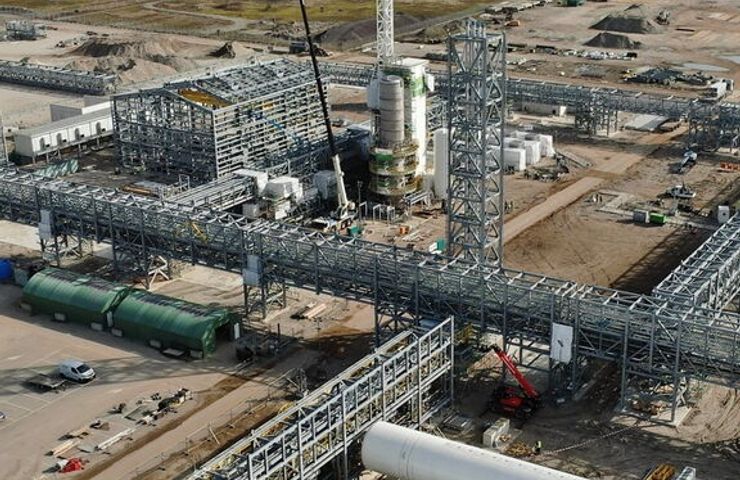
Air Products and RWE have just signed a long-term renewable Power Purchase Agreement (PPA) that's set to provide up to 75 GWh of wind and solar electricity each year. This power will come from the Karolinapolder onshore wind farm in Noord-Brabant and the Kerkrade solar farm in Limburg, all to fuel Air Products’ hydrogen production facilities, including a cutting-edge liquid hydrogen plant in the port area of Rotterdam. This deal is crucial because it paves the way for the hydrogen produced and liquefied in Rotterdam to be recognized as RFNBO-compliant under the EU’s RED III criteria, helping to support the commissioning of what will be the largest liquid hydrogen plant in Europe by 2027.
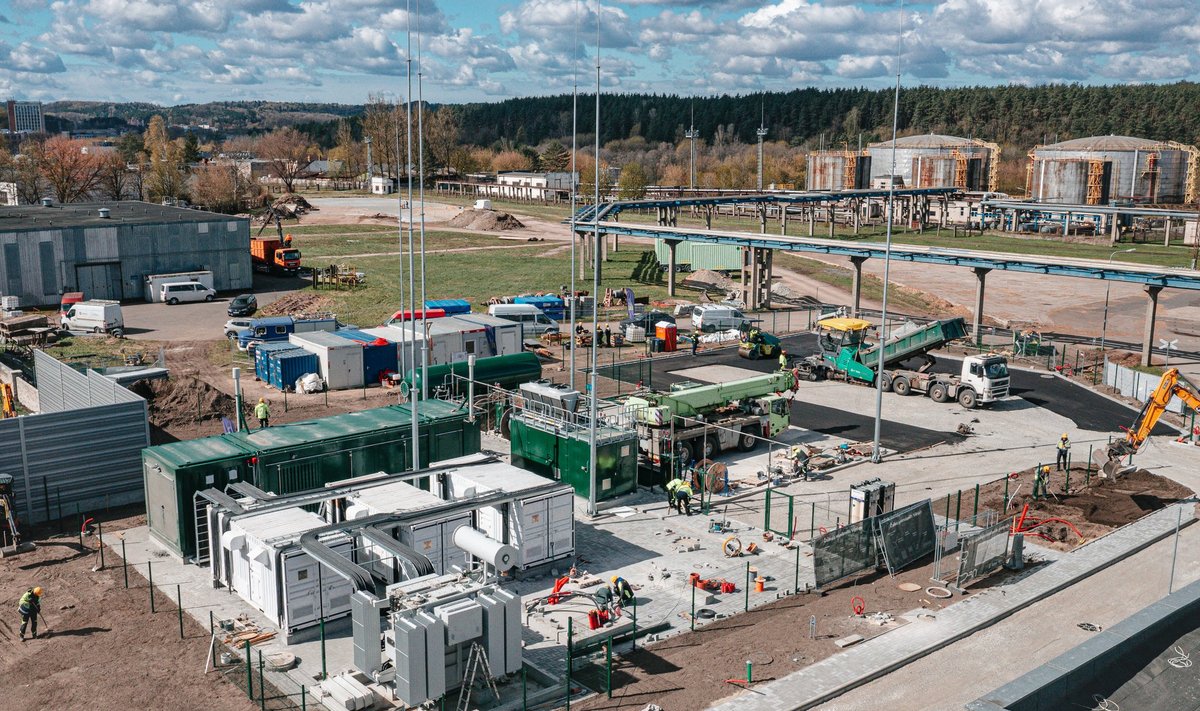
This PPA addresses a big hurdle for hydrogen production: the need for reliable, additional renewable power to hit a target of at least a 70 percent reduction in greenhouse gas emissions compared to grey hydrogen. On top of that, it provides stable offtake terms, which are key to minimizing the financial risks involved in building and financing Air Products’ liquid hydrogen facility, which is already halfway through construction in the Botlek section of the port. For RWE, this deal means guaranteed long-term demand for its wind and solar operations, helping to create smoother revenue streams and showcasing how utility-scale renewables can play a role in the developing industrial hydrogen market.
Technical Deep Dive: Hydrogen Liquefaction
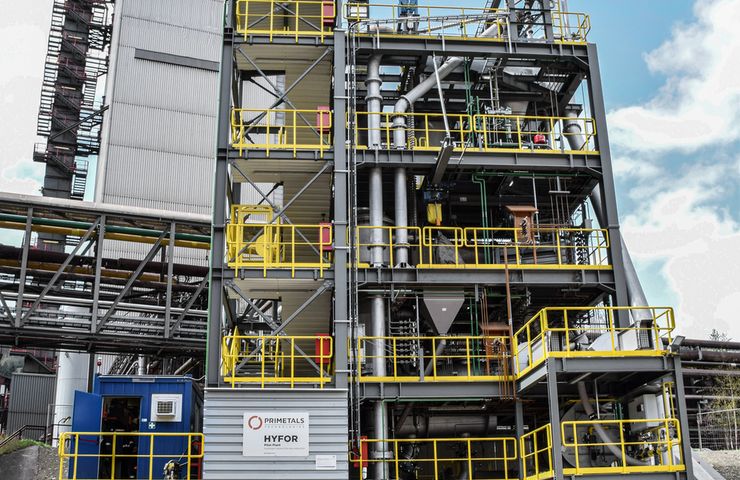
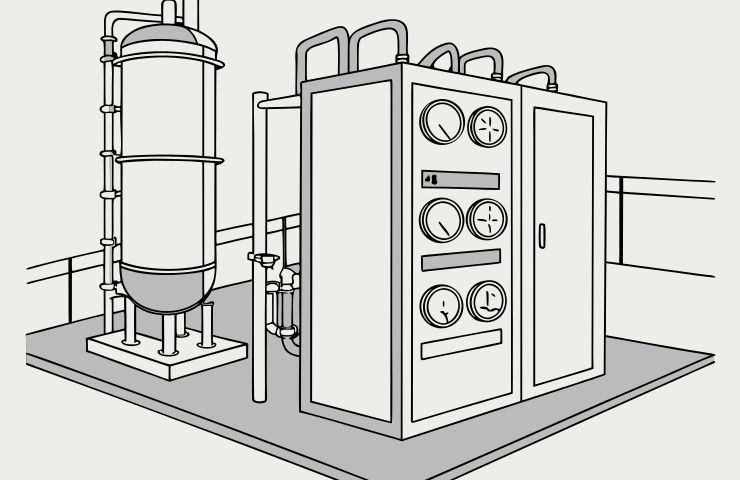
Liquefying hydrogen is no small feat—it's an energy-heavy cryogenic process that cools gaseous hydrogen down to a blistering −253 °C. In Rotterdam, the liquefier will take purified hydrogen from various sources, whether it’s from steam methane reforming with carbon capture or new electrolysers. From there, the hydrogen is compressed and moved through multiple heat exchange systems that utilize turboexpanders and Joule–Thomson valves. They rely on mixed-refrigerant cycles using helium or special refrigerant blends to gradually cool it down. When the hydrogen finally turns into a liquid, it's stored in vacuum-insulated, double-walled tanks to minimize boil-off. Then, specialized loading arms transfer the liquid hydrogen into high-pressure tankers for transport. It's worth noting that this entire liquefaction process can consume hundreds of kilowatt-hours for just one ton of hydrogen, which means the carbon intensity of the electricity matters a lot for lifecycle emissions. By securing this renewable power through the PPA, Air Products is aiming to ensure their liquefaction process meets green hydrogen production standards.
Harnessing Karolinapolder Wind and Kerkrade Solar
RWE's Karolinapolder wind farm has recently been upgraded, going from a collection of older 2.4 MW turbines to four shiny new Nordex N133 turbines, each rated at 4.8 MW. This revamp boosts the total capacity to 19.2 MW. Over at the Kerkrade solar farm, around 14 GWh each year comes from more than 36,000 solar panels spread across about 12 hectares. Both these assets feed alternating current into the Dutch grid at medium voltage. Thanks to the PPA, guarantees of origin and contractual volume matching secure up to 75 GWh of renewable output specifically for Air Products’ hydrogen and liquefaction operations in Rotterdam. This arrangement is also key for complying with RED III’s criteria regarding additionality, temporal correlation, and geographic location—an increasingly important focus for certifying clean hydrogen news.
Mobility and Industry Synergies
The renewable energy sourced from this PPA goes beyond just liquefaction. It supports Air Products' wider hydrogen ecosystem in Rotterdam, which includes a public green hydrogen refueling station aimed at heavy-duty trucks, all part of the CH2aRT initiative. By using dedicated wind and solar power for both electrolysers and refueling infrastructure, this site is positioned to serve industrial clients and transport operators hunting for zero-emission fuel. This integrated approach really aligns with the port authority’s goal of rolling out gigawatts of electrolyser capacity by 2030 and implementing hydrogen bunkering facilities for shipping.
Strategic Implications and Project Financing
A long-term PPA like this one offers a win-win situation: Air Products nabs price and volume certainty for their electricity-intensive project—electricity can make up a third of operating costs—while RWE secures steady demand for its renewable assets. This kind of predictability is vital for securing project financing for what should be Europe's largest liquid hydrogen facility, worth hundreds of millions of euros. Recent competition for PPAs among large energy consumers—from data centers to those needing green ammonia—highlights how these agreements are critical for ramping up renewable energy production. Locking in a dedicated PPA now not only ensures pricing stability but also sends a strong message to financiers and grid operators that demand is on the rise, which will encourage new wind and solar projects.
Policy and Regulatory Context
The EU’s Renewable Energy Directive (RED III) lays down some clear targets—setting a goal for RFNBO hydrogen to represent 42 percent of industrial hydrogen consumption by 2030, and ramping up to 60 percent by 2035. To count as RFNBO, hydrogen must come from additional renewable electricity—meaning new capacity that’s come online within a 36-month period—and must deliver at least a 70 percent lifecycle GHG emissions reduction compared to its grey counterpart. Plus, there are strict rules ensuring the timing and location of renewable supplies closely match hydrogen production. Environmental NGOs have raised concerns about waivers for assets that were operational before 2027, worrying that this could pull renewable power away from critical needs, while industry groups caution that overly stringent rules might delay earlier projects when additional capacity is still scarce.
Rotterdam’s Emerging Hydrogen Hub
Once known for its oil refineries and petrochemical operations, Rotterdam is pivoting to establish itself as a low-carbon energy nexus. Along with the new liquid hydrogen plant, Air Products is working on a blue hydrogen facility with carbon capture that will connect to the Porthos CO₂ storage network beneath the North Sea. The port authority is planning green hydrogen electrolysers, e-fuel synthesis facilities, and bunkering infrastructure. By weaving renewable power into this ecosystem, the RWE PPA helps strengthen Rotterdam's position as a comprehensive hydrogen infrastructure and logistics hub.
Looking Ahead
The Air Products and RWE PPA serves as a roadmap for the next wave of industrial hydrogen initiatives. As the EU tightens sustainability regulations, similar offtake agreements will be key for reducing risks tied to electrolyser and liquefaction projects, ultimately drawing in investment. The competition for renewable offtake deals is set to heat up, ramping up both the demand and supply of new wind and solar capacity. For Rotterdam, the challenge will be turning this momentum into more downstream production of chemicals, fuels, and transport solutions, solidifying its stance as Europe’s hydrogen logistics powerhouse.
As supply chains continue to develop, integrating renewables with hydrogen production and downstream processes—like ammonia or e-fuels—could lead to entirely carbon-neutral value chains. With its port facilities, Rotterdam is ideally positioned to export green ammonia and low-carbon fuels through well-established maritime routes, paving the way for cross-border hydrogen infrastructure. Future offtake agreements might expand beyond just electricity for liquefaction to include dedicated renewable supplies for ammonia production, fuel cell systems, and even hydrogen data centers seeking environmentally friendly backup power. The results and certifications from this PPA will guide similar clean hydrogen offtake arrangements across Europe.
About the Companies
Air Products is a major player in the world of industrial gases, standing as the biggest hydrogen supplier globally. They cater to sectors like refining, chemicals, metals, electronics, manufacturing, healthcare, and food. With nearly 70 years of hydrogen expertise, they operate an extensive network of production, logistics, and infrastructure across around 50 countries, including significant facilities in the Rotterdam port area.
RWE is a top European energy provider, with a trading branch—RWE Supply & Trading—that manages electricity, gas, commodity, and CO₂ portfolios. In the Netherlands, RWE has expanded its footprint in renewables by upgrading wind farms like Karolinapolder and launching solar parks such as Kerkrade, while also supplying renewable energy through PPAs to key industrial players.