Green Hydrogen in Cold Climates: Jyväskylä and Asahi Kasei Launch Nordic Clean Energy Milestone
Jyväskylä partners with Japan’s Asahi Kasei to deliver Finland’s first green hydrogen refueling station, using scalable electrolyzer tech for zero-emission transit under Nordic conditions.
Jyväskylä, Finland—surrounded by serene lakes and deep forests, this Central Finnish city of about 144,000 people is quietly making a bold move into the future of clean energy. It’s set to become the first place in Finland to host a fully local green hydrogen production system hand-in-hand with a public hydrogen refueling station. Who’s leading this groundbreaking effort? A unique mix of municipal leaders, tech pioneers, and motorsport trailblazers—all united by one ambitious goal: unlocking hydrogen’s real-world power in the north.
A Nordic First in Hydrogen Innovation
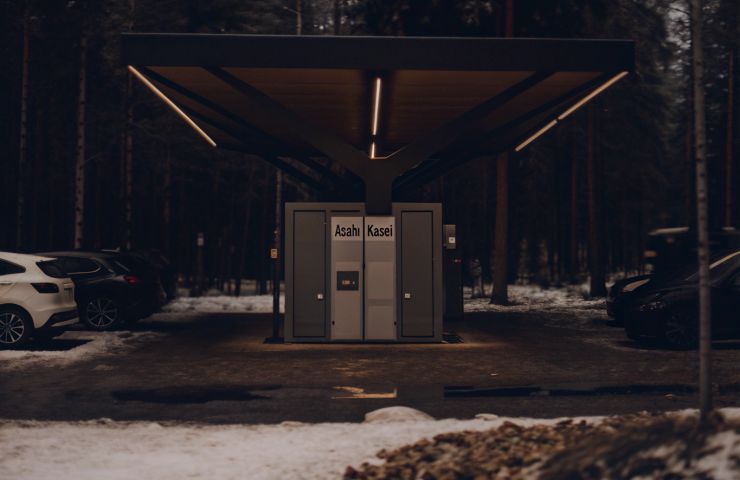
At the core of the project is Asahi Kasei, a Japanese industrial powerhouse with five decades of expertise in electrolysis tech. They’ll be supplying their 1 MW-class Aqualyzer™-C3 alkaline electrolyzer to the Central Finland Mobility Foundation (Cefmof) by the end of 2025, with everything expected to go live in the first half of 2026. Once running, the electrolyzer will create clean hydrogen on-site using renewable electricity, powering a new hydrogen refueling station in Jyväskylä that’s built to handle the region's famously icy winters.
Don’t let its compact, containerized design fool you—this system is built to perform. Right now, it’s capable of fueling up to three hydrogen vehicles per hour, but it’s also modular, meaning it can easily grow to meet future demand. That makes it a perfect fit for cold-climate areas where fully electric transport can hit speed bumps.
The Power Behind the Project
This isn't a solo act. Cefmof was brought to life by a powerhouse trio: the City of Jyväskylä, the Toyota Gazoo Racing World Rally Team, and the Toyota Mobility Foundation. Together, they’re turning Jyväskylä into a real-world testing ground for sustainable transport—one where icy roads and freezing temps aren’t roadblocks, but proving grounds.
"This is way more than just a place to fuel up,” says a Cefmof spokesperson. “It’s proof that when cities and global innovators team up, we can push the boundaries of what’s possible in clean energy."
Driving More Than Just Cars
And the goal here isn’t just to get a few passenger cars running on hydrogen. The real target is the heavy-duty sector—like buses, trucks, and service vehicles that are tough to electrify. By tackling these major emission contributors head-on, Jyväskylä could become the first link in a larger hydrogen mobility corridor stretching across Finland—and possibly beyond. There are already whispers of up to four more stations coming down the pipeline.
The upside? Finland diversifies its energy mix with local resources, reduces dependency on imported fuels, and steps up as a serious player in the EU's green hydrogen game. It’s smart, strategic, and future-focused.
Technology That’s Tested—and Trusted
Asahi Kasei's Aqualyzer™-C3 isn’t some far-off prototype—it’s tech that’s already worked in the real world. The company has delivered a 10 MW-class system in Japan, and now they’re bringing a smaller, more flexible version to Europe. The unit runs on alkaline electrolyzer technology, known for being robust and cost-effective—especially in sub-zero conditions like those in Jyväskylä.
The containerized setup also makes deployment faster and smoother—no need for complex site builds or endless planning. This is clean hydrogen that’s ready to roll.
Big Picture Perks and What’s Next
Sure, there are challenges—scaling up renewable electricity to meet future needs is one of them. But the benefits go way beyond just cleaner air. This project could fuel new job growth in Finland’s clean-tech sector, spark deeper collaboration between Finnish and Japanese experts, and offer a rock-solid model for scalable hydrogen infrastructure across the Nordics.
And think about the ripple effect: right now, hydrogen refueling options in this part of the world are almost non-existent. This installation doesn’t just fill that gap—it lays the groundwork for a whole new future of sustainable transport across national borders.
A Northern Glimpse at the Future
In the grand scheme of things, this isn’t just a big step for Jyväskylä—it’s a signal to every cold-weather country out there: you don’t need sunny skies or mega-cities to make green hydrogen work. What you need is bold leadership, real collaboration, and solid tech you can stand behind.
Jyväskylä is stepping up—and could soon join leaders like Zhangjiagang and Fukushima in proving that even the frostiest regions can lead the green hydrogen revolution. When it comes to pushing the limits of what clean energy can do, this northern city just lit a fuse.