Greece, Open call for a €7.87M Green Hydrogen CHP Pilot in Western Macedonia to Power Post-Coal Transition
Greece is turning its coal heartland into a clean energy hub, launching a €7.87M hydrogen CHP project in Western Macedonia tied to a €5.75B green energy investment plan, spearheaded by PPC and partners.
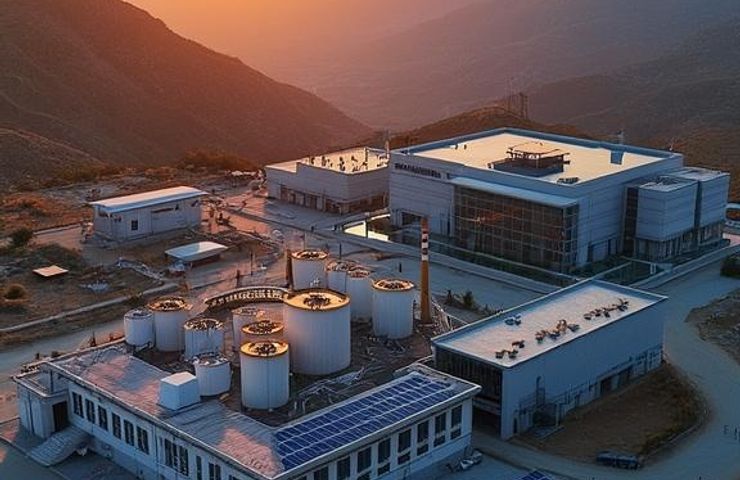
Western Macedonia, a region once rooted in coal-fired power, is stepping into the spotlight as Greece’s newest clean energy hub. In a big move, the Greek Ministry of Economy and Finance has kicked off an open call for a pilot Combined Heat and Power (CHP) plant — backed by a €7.87 million investment — that runs entirely on green hydrogen. It’s a standout project under Greece’s Just Development Transition Programme 2021–2027 and a real sign of things to come.
Bringing Power — and Heat — to the People
This new CHP pilot won’t just sit on a technical pedestal — it’ll be doing real work for real people. The plant will provide round-the-clock electricity and heating to essential infrastructure, including a major regional hospital and the Chemical Process & Energy Resources Institute (CPERI) in Ptolemaida. For a region that’s been tightly tied to lignite for decades, it’s a bold pivot to clean technology. The facility will rely on hydrogen fuel cells to generate power and heat, producing nothing more than harmless water vapor in the process.
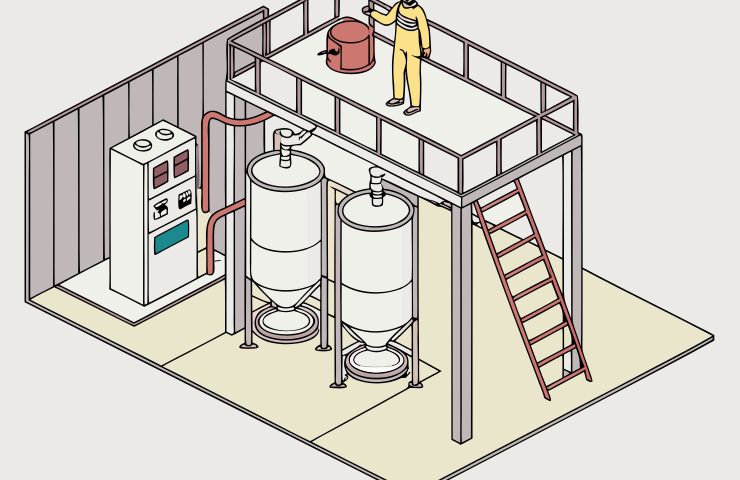
What sets this project apart is its fully integrated system. Using electrolysis powered by renewables, it creates green hydrogen locally, which then feeds into the engines powering homes and key buildings. It’s compact, ambitious, and the perfect example of how traditional energy infrastructure can evolve into something fully sustainable and clean.
Bigger Picture: Western Macedonia’s Clean Energy Overhaul
This CHP plant may be a pilot, but it’s far from a one-off. It’s part of a sweeping transformation led by Public Power Corporation (PPC) Group, once the powerhouse behind the region’s lignite production. PPC is investing a massive €5.75 billion in Western Macedonia’s green future — from installing over 2 GW of solar PV on retired mining land, to deploying large-scale battery storage systems (BESS), and even building a 'mega' data center.
Also leading the charge is Hellenic Hydrogen — a joint venture between PPC and Motor Oil — with their North_1 project in Amyndeon. They’re bringing in up to 100 MW of renewable-powered electrolyzers, helping put Western Macedonia at the heart of the Balkan hydrogen economy.
How It All Works: The Tech Behind the Transition
- Electrolysis: Solar panels generate clean electricity, which powers electrolyzers to split water into hydrogen and oxygen. Since it uses renewable energy, the hydrogen made is 100% green.
- CHP Fuel Cells: That hydrogen is then fed into solid oxide or PEM fuel cells, which deliver both electricity and heat. These systems can hit up to 85% efficiency — seriously impressive stuff.
- BESS Integration: To keep everything running smoothly, excess solar or grid energy charges lithium iron phosphate batteries, ensuring stable hydrogen production and consistent energy flow.
From Coal Country to Clean Energy Leader
Western Macedonia has long been a lifeline for Greece’s electricity — and has equally borne the brunt of pollution and industrial decline. With around 270,000 residents and deep roots in fossil fuel jobs, the shift away from lignite is more than just an environmental goal — it’s an economic necessity. Greece’s last coal plant in the region, Ptolemaida 5, will shut down by 2026.
But what comes next holds promise. Beyond clean electricity, the CHP pilot plant is sparking hope for new jobs, workforce retraining, and a healthier environment. If the full vision plays out, it could mean up to 20,000 construction jobs and 2,000 permanent roles across renewables, hydrogen production, research, and digital infrastructure.
Facing the Unknown: What Are the Risks?
There’s no denying the potential, but caution is still valid. Hydrogen fuel cells might be clean and efficient, but they’re not yet cheap enough to fully compete with fossil fuels, especially in smaller-scale setups like this one. And let’s be honest — the tech only works if local communities are on board and ready to make the leap into new industries.
Still, this project isn’t going it alone. It’s backed by EU investment, anchored by national energy players like PPC, and fully aligned with regional and national policies. You’d be hard-pressed to find a better-supported hydrogen pilot anywhere in Europe right now.
Looking Ahead: Could This Inspire a Balkan-Wide Shift?
If this takes off, Western Macedonia’s hydrogen CHP setup could serve as a model for other coal-dependent areas all across Europe. What’s exciting is that it’s not just theory — it's a working solution that addresses real, everyday needs while tying into broader, nation-scale systems of sustainable energy and industrial decarbonization.
With hydrogen fuel cells, solar power, battery storage, and smart infrastructure all coming together in one place, Western Macedonia might just be sketching out the blueprint for the next phase of Europe’s clean energy revolution.
And this isn’t just an energy makeover. It’s about creating a system that works better — for communities, for the economy, and for the planet.