Germany’s Hydrogen Infrastructure Surges as Companies Reserve Nearly 6 GW
Operators of Germany’s hydrogen core network have paid to reserve nearly 6 GW of capacity, doubling spring bookings and underscoring strong demand for the 9,040 km pipeline backbone under a new tariff framework.
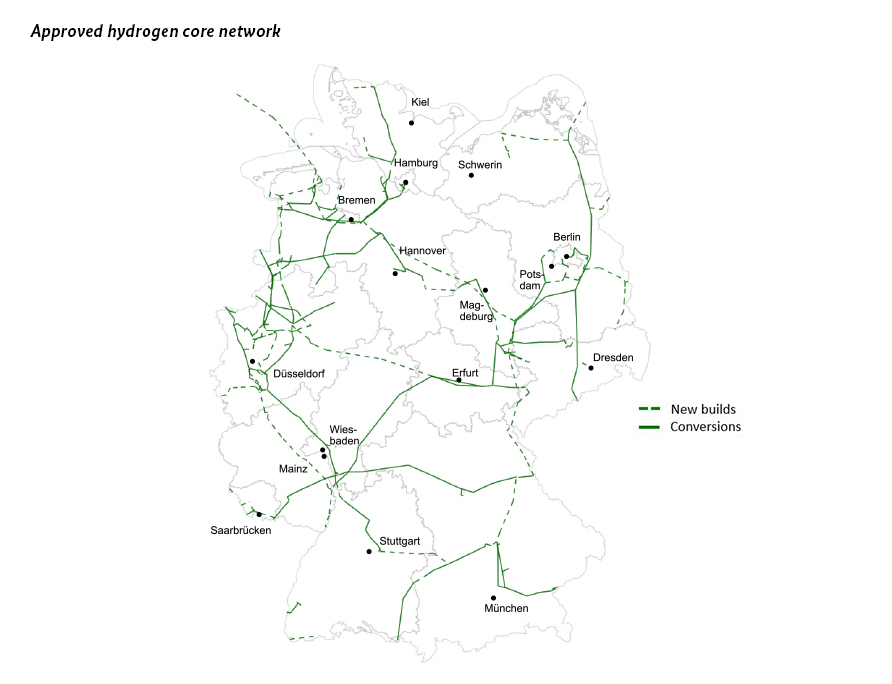
Operators of the country’s core hydrogen pipeline network just rolled out their third market information package, and it’s looking like companies are eager to sign up. By the end of July, they’d already reserved nearly 6 GW of transport capacity across the network, which is about double what we saw earlier this year. This is a major step forward in the realm of clean hydrogen news, signaling a real commitment from industrial players and importers to tap into dedicated hydrogen infrastructure for some serious decarbonization efforts.
What’s fueling this demand?
As Germany unveils its national hydrogen strategy, the planned pipeline backbone is meant to connect coastal import terminals, domestic electrolyser facilities, and industrial hubs. The approved network stretches out over about 9,040 kilometers. Of that, roughly 60% will come from repurposed existing natural gas pipelines, while the rest is freshly built. With an investment plan nearing €18.9 billion in the mix, regulators have put together a ramp-up tariff system that spreads out costs over the years to keep things affordable.
But it doesn’t stop at Germany’s borders. This core network is a vital piece of a more extensive European Hydrogen Backbone initiative, which aims to link up national systems into a seamless network across Europe. Coastal terminals in the Baltic and North Seas will pump green hydrogen sourced from offshore wind and neighboring projects directly to industrial hubs in places like Ruhr, Bavaria, and Saxony. By securing transport slots now, companies are setting themselves up to be part of a cross-border hydrogen trade that could hit tens of gigawatts of traded volume by 2030.
How do they transport hydrogen effectively?
Transporting hydrogen on a large scale isn’t just about laying down some piping. It takes upgrading existing high-pressure pipelines—think material changes and welding tweaks—to handle hydrogen’s tiny molecules, which can sneak through certain steels. Plus, compressor stations need to be revamped to accommodate the higher flow rates that hydrogen demands due to its lower density. On top of that, advanced sensors and real-time leak detectors are essential for monitoring purity and safety. Throughout this web of pipelines, digital control centers gather data on pressure, temperature, and flow, allowing operators to balance supply and demand more smoothly.
This solid groundwork definitely boosts user confidence. Industrial consumers can rest easy knowing the network will meet the high standards for hydrogen quality and pressure. At the same time, pipeline operators can tweak maintenance schedules and safety measures thanks to live performance data, reducing risks and downtime.
How does the reservation system work?
The capacity reservation framework is crucial for rolling out this network. It lets shippers secure entry and exit slots well ahead of time, giving producers and consumers alike peace of mind about transport availability. Here are some key points:
Operators like Open Grid Europe and Gasunie Deutschland have been collecting reservation fees—around €1 per kWh/h per year—which get credited against future charges. This approach helps smooth out investment risks while providing early insights into network size needs.
Who’s behind this ambitious project?
Five transmission system operators (TSOs) under the umbrella of FNB Gas are leading the charge:
Bundesnetzagentur, Germany’s federal network agency, has set the stage for financing (WANDA), capacity access (WaKandA), and tariffs (KOSMO) with the goal of full operation by 2032 and getting costs back by 2055. This layered oversight creates a solid environment for both private and public investment in hydrogen project financing.
The green light for this network also came with EU approval of a €3 billion state aid package, acknowledging that large-scale hydrogen corridors need public support in the early phases. This funding serves to fill early investment gaps and promote green hydrogen production methods. By mixing private commitments with targeted subsidies, Germany is looking to bring down the cost of hydrogen, potentially setting a benchmark for other countries.
Why is this so important for Germany’s energy transition?
Heavy industries like steel, chemicals, refining, and power generation consume most of Germany’s energy and are big contributors to greenhouse gas emissions. Transitioning these sectors to hydrogen hinges on a reliable pipeline network. The uptick to nearly 6 GW of reservations demonstrates that:
Beyond the numbers, these reservations signal potential emissions savings. A fully operational core network with plans for around 100–101 GW of feed-in capacity and 87 GW of feed-out by the early 2030s could lead to cutting millions of tonnes of CO₂ each year. Cross-cluster reservations indicate that companies are gearing up to transport hydrogen between regions, connecting coastal import hubs to inland demand centers. This flexibility is crucial for balancing the variable nature of renewable hydrogen supplies with industrial load demands.
What’s on the horizon?
These reservation numbers provide a quick glance at a vibrant, evolving process, not a finished story. As more pipelines go live starting in the mid-2020s and capacity expands toward full build-out by 2032, we can expect further rounds of bookings. Future market information packages will guide the fine-tuning of network planning, likely speeding up segments where demand is high or adjusting tariff incentives in slower areas.
In the meantime, operators are looking into digital booking platforms and real-time trading hubs to complement long-term agreements. Plans are already in the works to connect this core system with its European counterparts, creating cross-border capacity products and integrating storage caverns that can provide hydrogen during peak times or act as buffers for imports.
For anyone keeping an eye on hydrogen energy news, Germany’s pipeline story illustrates how policy, engineering, and market signals need to work hand in hand to turn ambitious climate goals into real, operational assets. When companies step up with firm reservations, they essentially breathe life into that vision—and it's rapidly taking shape into a network that could manage a significant share of Europe’s hydrogen flows.
Over the next decade, the insights gained from this rollout will shape similar initiatives around the globe. From scaling up electrolyser clusters to developing local refuelling stations and even green data centers powered by hydrogen, the infrastructure being constructed today lays the groundwork for a larger ecosystem of hydrogen production and utilization. As the network fills up, Germany might just establish itself as the main artery for clean hydrogen in Europe, uniting green hydrogen producers, storage operators, and industrial consumers into a cohesive, dynamic marketplace.