FuelCell Energy and Siemens to Integrate Fuel Cell Technology with Siemens BoP for Distributed Power Solutions
FuelCell Energy has teamed up with Siemens Energy to integrate balance-of-plant systems into its molten carbonate fuel cell installations, triggering an 11% pre-market stock surge. The partnership aims to standardize modular plants for industrial and data center power.
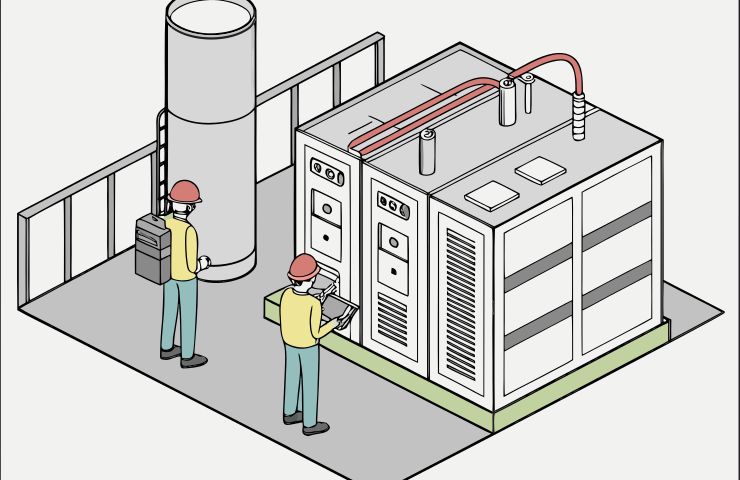
This collaboration is all about combining expertise—FuelCell Energy brings its specialized fuel cell technology to the table, while Siemens is stepping in with its engineering know-how. The markets reacted positively, with FuelCell Energy's stock jumping over 11% in pre-market trading—a clear sign that investors are optimistic about what this partnership could mean for the future of hydrogen power.
This deal isn’t just a handshake; it marks a significant step forward in harnessing fuel cells for distributed power solutions. Siemens will be handling the balance-of-plant systems, which are crucial for integrating fuel cells into practical applications. With Siemens focusing on areas like fuel processing, air supply, and thermal management, FuelCell Energy can zero in on enhancing its fuel cell stacks. Although details on specific projects are still under wraps, the goal is apparent: to create reliable, efficient power plant packages that excel in low-emission environments, perfect for microgrids, industrial campuses, and data centers that require dependable backup power.
Integration of Core Technologies
Let’s take a closer look at how molten carbonate fuel cells operate. These systems run at temperatures between 600 and 700°C and can reform hydrocarbons like natural gas or biogas right into hydrogen and carbon monoxide. What’s cool is that they generate electricity more efficiently and with fewer local pollutants compared to traditional combustion turbines. However, they do need a complex balance of plant (BoP) systems to manage their operations effectively. By partnering with Siemens on the BoP design, FuelCell Energy is leveraging proven engineering solutions that enhance the reliability and efficiency of fuel processing units, heat exchangers, and control software—elements that are essential for keeping operational costs in check.
A Game Changer for FuelCell Energy
FuelCell Energy has always targeted utilities and large commercial customers, but there’s been a bit of a roadblock when it comes to project financing and integration risks. Teaming up with Siemens could really help flip the script. Siemens has a solid reputation in powering plant projects, which should make securing financing a lot smoother and boost customer acceptance. Plus, using standardized balance-of-plant modules can streamline engineering efforts, reducing both time and costs. This partnership marks a big pivot for FuelCell Energy—from unique pilot projects to the rollout of modular, multi-megawatt systems.
Synergies with Siemens Energy
Speaking of Siemens Energy, this company has been on a mission to ramp up its low-carbon offerings, especially since it spun out from Siemens AG. They’re already involved in hydrogen-ready turbines and digital grid solutions, and incorporating fuel cells into their portfolio can enhance their capabilities in creating resilient microgrids and supporting critical infrastructure. The ability to integrate the BoP systems with existing technologies allows Siemens to provide comprehensive solutions, which aligns perfectly with their strategy of partnering with specialized cleantech companies rather than developing all components themselves.
The Bigger Picture and Implications
There’s a growing global appetite for reliable, low-emission distributed power. With the rapid expansion of data centers, the push for industrial decarbonization, and the critical need for resilience in power supply, hydrogen technology is stepping up to meet these demands. Traditional backup systems are being scrutinized for their emissions, and while battery systems offer some benefits, they come with their own set of limitations. That’s where fuel cell technology shines; it provides continuous operations, quick start-up times, and potential seamless integration with renewable hydrogen sources or on-site carbon capture systems. By pairing FuelCell Energy’s stacks with Siemens’s balance-of-plant expertise, this sector might just gain the momentum it needs for widespread adoption.
The Technical Framework of BoP Engineering
The engineering behind balance-of-plant is pivotal for any fuel cell power plant, impacting everything from efficiency to reliability. For instance, advanced heat recovery systems can enhance overall efficiency significantly, while precise digital controls ensure safe operations and synchronization with the grid. Siemens Energy’s contributions will encompass a range of systems: from fuel reformers and hydrogen purification tools to water management circuits and power conversion systems that turn DC output from the stacks into usable AC power. This comprehensive scope isn’t just about minimizing risk; it helps streamline the commissioning process, ensuring everything comes together smoothly.
Looking Forward
While the partnership is framed more as a framework agreement—meaning there isn't a specific project in the works just yet—the real test will come when they start rolling out those joint installations. If these modular plants deliver the performance everyone anticipates, we could see hydrogen technology making real inroads in areas like urban microgrids and hydrogen data centers looking for uninterrupted, clean power. Right now, the fuel cell industry feels a surge of optimism from the market—a clear signal that integrating expertise is just as essential as innovating core technology.