Folell’Hy: Corsica Sole Launches Pilot Green Hydrogen Hub at Folelli Solar Plant
Folell’Hy, Corsica Sole’s pilot green hydrogen facility at the Folelli solar plant, uses 60 Enapter electrolyzers to convert surplus PV into 230 kg of H₂ storage, distributed via Clément’Hyne.
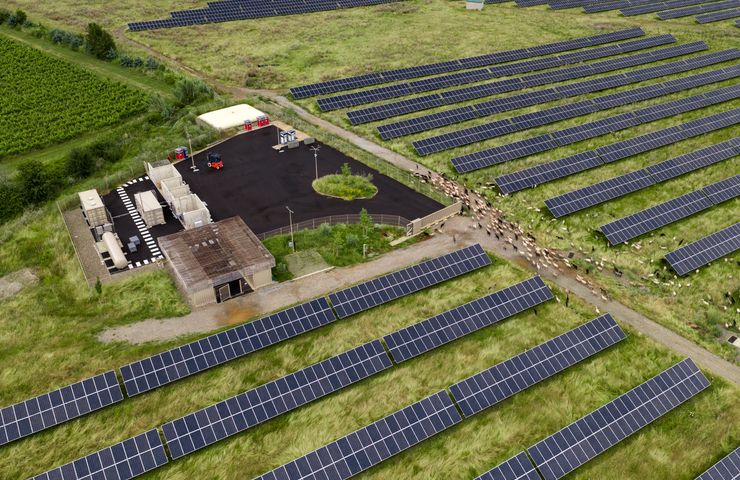
Corsica Sole has just launched Folell’Hy, an exciting new facility for renewable hydrogen production, storage, and distribution at its solar power plant in Penta-di-Casinca, Corsica. This innovative setup tackles a big challenge for the island: managing excess solar energy. By converting surplus electricity into green hydrogen, Corsica Sole is making significant strides in hydrogen news and green hydrogen production, turning clean energy that might go to waste into something genuinely useful.
Addressing Curtailed Solar with Hydrogen Production
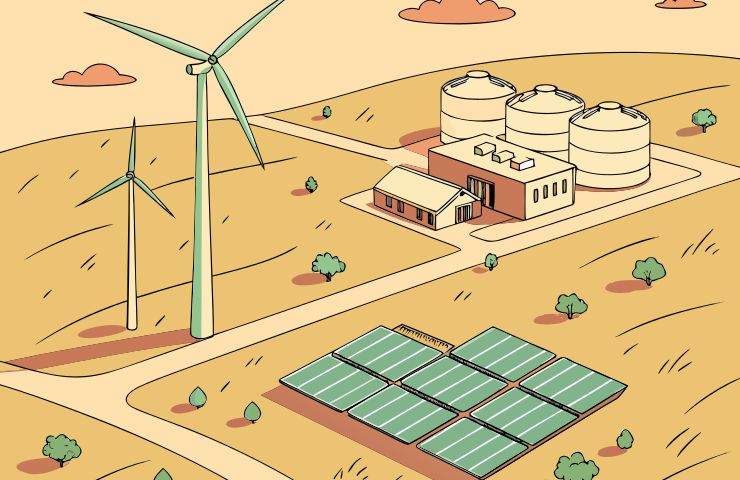
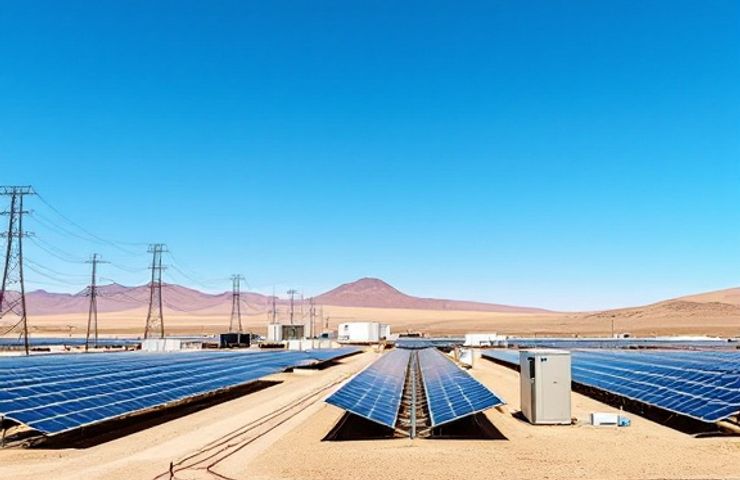
On an island where the grid can’t always handle every bit of power generated, Folell’Hy is stepping up to the plate. It captures energy from a 12 MW solar array that churns out about 18 GWh every year, using that excess power instead of letting it go to waste. This pilot project not only enhances local hydrogen infrastructure but also helps stabilize the balance between energy generation and demand in this isolated energy system. It's all about maximizing the potential of solar power, right here on the island.
Modular Electrolysis – The Secret Sauce
The magic behind Folell’Hy is its smart modular electrolysis setup. It features 60 anion-exchange-membrane electrolyzers from Enapter, which together pack a punch with 150 kW of electrolysis capacity. This design aims to produce up to 30 Nm³ of hydrogen hourly, roughly translating to around 20 kilograms a day, depending on how sunny it is. Operators have the flexibility to adjust the output of individual units, making this system much more adaptable compared to a single large electrolyzer. It’s a shining example of hydrogen production methods that can easily keep pace with renewable energy variations.
From Electrolyzer to Storage – A Complete Chain
Once the hydrogen is produced, it goes through a compression and storage process. Thanks to integration work by HENSOLDT Nexeya France, this involves compressors, conditioning units, and high-pressure tanks that can store up to 230 kilograms of hydrogen at 300 and 500 bar. This streamlined approach ensures that the gas is ready when local users need it. Plus, the modular design makes maintenance a breeze and allows for easy scalability, which is a big win for avoiding potential pitfalls down the line.
Mobile Distribution with Clément’Hyne
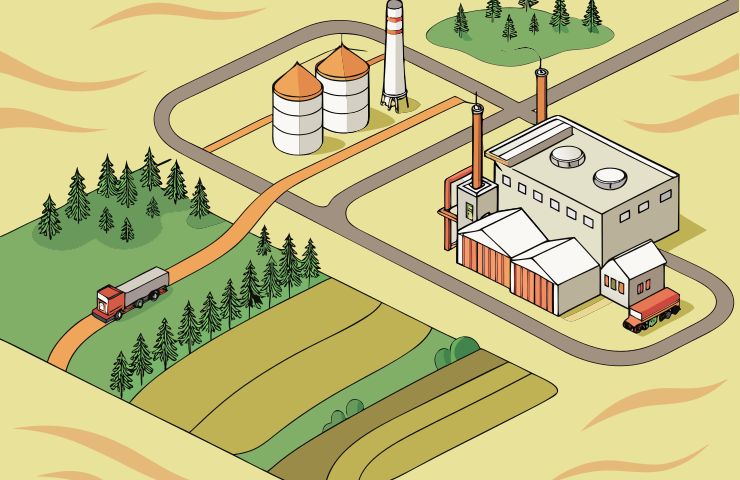
When it comes to getting the hydrogen where it needs to go, Folell’Hy is thinking outside the box with a custom mobile solution called Clément’Hyne, developed alongside Europe Technologies Group. Instead of relying on stationary pipelines, hydrogen is loaded into transportable containers that can be delivered directly to users. This method enhances the reach of green hydrogen, connecting production to demand hubs like ports or remote facilities. It’s a great demonstration of how flexible logistics can play a vital role in supporting the growth of a hydrogen economy.
Training the Next Generation at Sea
What sets this project apart is its educational component. The Bastia maritime high school operates a hydrogen-powered training vessel named Alba, which serves as a real-world application for students. They get hands-on experience with fuel cell propulsion and hydrogen management, bridging the gap between renewable energy, maritime transport, and vocational training. This floating lab equips the next generation of technicians with the skills they'll need to work with future hydrogen technologies.
Strategic R&D Under the Alchymiste Banner
Folell’Hy is also the first operational piece of the Alchymiste research project, which was selected through the i-Nov innovation competition and is supported by the France 2030 investment program. With a project budget around €4.9 million and over €1.7 million allocated in public funding, Alchymiste is focused on figuring out how to integrate green hydrogen with intermittent renewable energy sources on isolated grids. This facility will provide crucial insights on how to optimize usage, manage costs, assess safety, and evaluate environmental impacts, all of which will be essential in shaping future hydrogen energy news.
Building Island Resilience
Islands like Corsica come with their own set of challenges for energy management. With no solid connections to the mainland's energy grid, they need to balance power generation and consumption internally. By converting excess solar energy into storable hydrogen, Folell’Hy is not just boosting energy resilience but also paving the way for greater energy self-sufficiency. This project also highlights the potential for hydrogen to support various applications like heavy transport, backup power, and remote operations, showcasing the synergy between solar energy, electrolysis, hydrogen storage, and fuel-cell applications.
Looking Ahead – Data, Performance, Economies
The exciting part? Folell’Hy is like a living lab. Over the upcoming months, operators will monitor its reliability, maintenance cycles, equipment durability, and operating costs. They'll also gather data on hydrogen storage losses and energy consumption for compression, which will play a key role in developing economic models for future expansions. The modular setup makes it straightforward to adjust production capacity or increase storage, allowing Corsica Sole to refine its approach to larger hydrogen infrastructure investments.
With a clear commitment to driving the energy transition, Corsica Sole and its partners have done more than just establish a pilot facility—they’ve created a model that can be replicated on islands and in isolated grids all over the world. In short, Folell’Hy demonstrates how modular electrolysis, adaptable storage, and mobile distribution can work together to transform excess solar power into a versatile clean fuel. This project may well influence the next wave of hydrogen fuel news and set the stage for a robust hydrogen infrastructure aimed at a decarbonized future.