China's Green Hydrogen Strategy: Leading the Charge in Sustainable Energy Production
China is pioneering advancements in green hydrogen, aligning its ambitious policies and robust projects to become a global leader in sustainable energy production.
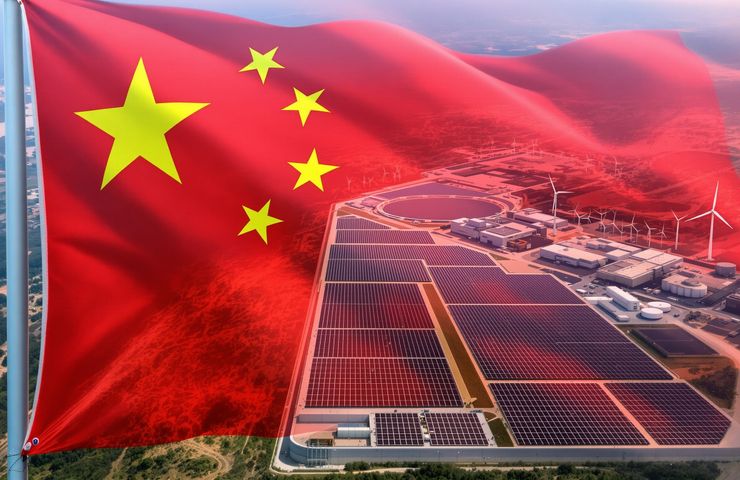
This month, China is making significant strides in its green hydrogen strategy, positioning itself as a global leader in sustainable energy solutions. The ambitious National Development and Reform Commission and the National Energy Administration have initiated a comprehensive plan aimed at transforming how hydrogen is produced, with a particular emphasis on renewable resources such as wind and solar. The effort spans policy, manufacturing and project deployment. It focuses on replacing parts of an established fossil-fuel-based supply with hydrogen from renewables, while also building the physical and industrial base needed to support that shift.
A Vision for Hydrogen Development
The recent Medium- and Long-Term Plan for the Development of the Hydrogen Energy Industry (2021-2035) outlines national objectives that include pushing for hydrogen production and establishing robust infrastructure. By 2025, China aims to deploy approximately 50,000 fuel-cell vehicles, build extensive hydrogen refueling stations, and achieve an annual production of 100,000 to 200,000 tonnes of renewable hydrogen. Those targets are concrete and near-term. They set a visible timetable for vehicle roll-outs, station networks and production volumes that would be difficult to meet without coordinated action across ministries, provincial authorities and state-owned firms.
Leading in Electrolyser Capacity
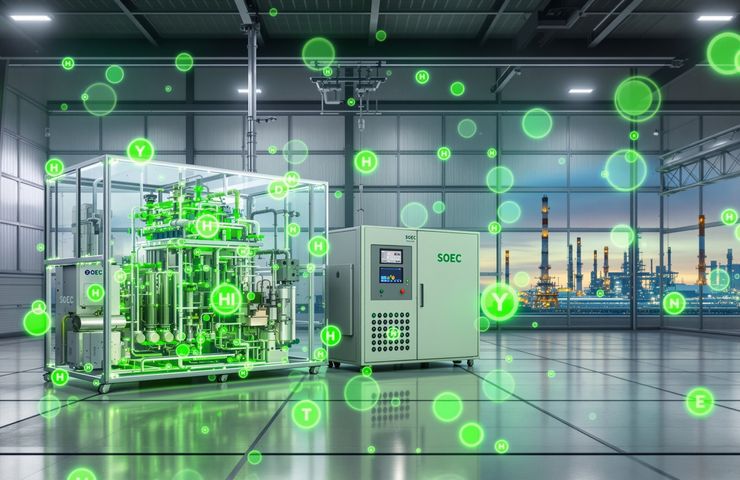
According to the International Energy Agency (IEA), China currently holds a commanding lead in electrolyser manufacturing. The country is responsible for a staggering 65% of global installed electrolysis capacity and nearly 60% of manufacturing capacity. That market share places China at the center of the equipment supply chain for converting renewable electricity into hydrogen. It also means Chinese manufacturers and project developers can influence costs and scale in ways that will affect international markets for green hydrogen.
Key Projects Enabling Growth
Several large-scale projects are illustrative of China's dedication to green hydrogen. For instance, Sinopec's Xinjiang Kuqa Green Hydrogen Pilot Project is designed to produce 20,000 tonnes of hydrogen per year, using solar-powered water electrolysis for its refining applications. The plant links solar generation directly to hydrogen supply for industrial use. In parallel, Sinopec's Ordos Wind-Solar Integrated Green Hydrogen Demonstration Project aims to supply 30,000 tonnes annually, showcasing the successful integration of wind and solar resources to support industrial applications and reduce reliance on conventional feedstocks.
In northern China, Envision Energy has embarked on its Chifeng Green Hydrogen and Green Ammonia Project, with a first phase reporting 500 MW of electrolysis capacity, focusing on producing green ammonia for export. That project highlights another pathway: turning renewable hydrogen into commercially transportable derivatives. Together, these initiatives show how renewable electricity deployment, electrolyser capacity and downstream product strategies can be combined to meet domestic needs and international markets.
Bridging Energy Demand with Production
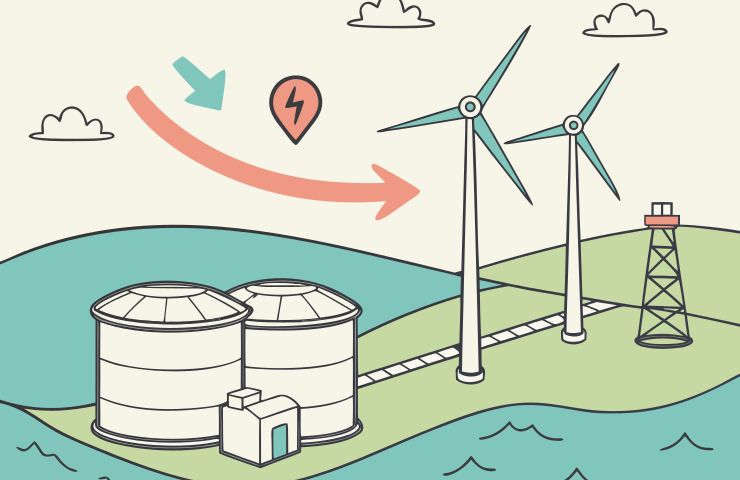
China's hydrogen strategy isn't merely about production; it's fundamentally tied to existing industrial demands. Traditional hydrogen production in China has relied heavily on fossil fuels like coal and natural gas, primarily for refining, ammonia, and chemicals. The new strategy innovatively aims to replace some of that conventional supply with renewable electrolysis, allowing for the capture and utilization of excess energy from renewable sources. In practice, that means using wind and solar output that might otherwise be curtailed, and converting it into hydrogen that feeds refineries, chemical plants and export-oriented ammonia facilities.
National and Local Support
The commitment from both national and local governments underscores the significance of supporting the hydrogen sector. By fostering local demonstration projects, improving infrastructure, and enhancing equipment manufacturing, China's overall initiative is not just a national agenda but a coordinated effort to build a sustainable energy ecosystem. Provincial authorities and city-level administrations are expected to tailor pilots and industrial policies to regional resource endowments—solar-rich zones will prioritize electrolytic hydrogen from photovoltaics; windy regions will push integrated wind-hydrogen clusters. That layered approach aims to translate high-level targets into implementable projects on the ground.
Challenges Remain on the Horizon
Despite these advancements, organizations such as the IEA caution that challenges remain. The demand for low-emissions hydrogen currently falls short of announced supply, indicating potential overcapacity and price competition. There are also logistical hurdles in establishing infrastructure and securing credible emissions accounting to ensure the environmental integrity of hydrogen production. Those issues are practical and technical. They range from the need for transport and storage networks, to rules and standards that verify whether hydrogen is truly low-emission when lifecycle emissions are taken into account.
Future Implications
However, the bottom line is clear: China’s aggressive steps into the green hydrogen landscape may well define global trends in the coming years. Should it successfully convert its existing manufacturing and project plans into fully operational systems, it could lead to lower costs and the establishment of credible supply chains. A functioning domestic industry at scale would also create learning curves in construction, operation and procurement that other markets will notice. That could, in turn, facilitate a wider adoption of hydrogen technologies across various industrial sectors.
The importance of China's green hydrogen strategy extends beyond its borders. If successful, it could pave the way for similar initiatives around the world, amplifying the push toward a more sustainable energy future. In this ongoing race, China's innovations may very well provide the momentum needed to kickstart a broader global transition to renewable hydrogen solutions, making its developments critical to the future of energy production.