Crumpled Graphene Oxide Membranes Unlock Industrial Hydrogen Separation Breakthrough
New crumpled graphene oxide membranes break the long-standing trade-off in hydrogen gas separation, offering high permeability and selectivity under industrial conditions. A pivotal innovation for cost-effective hydrogen purification and emission reduction.
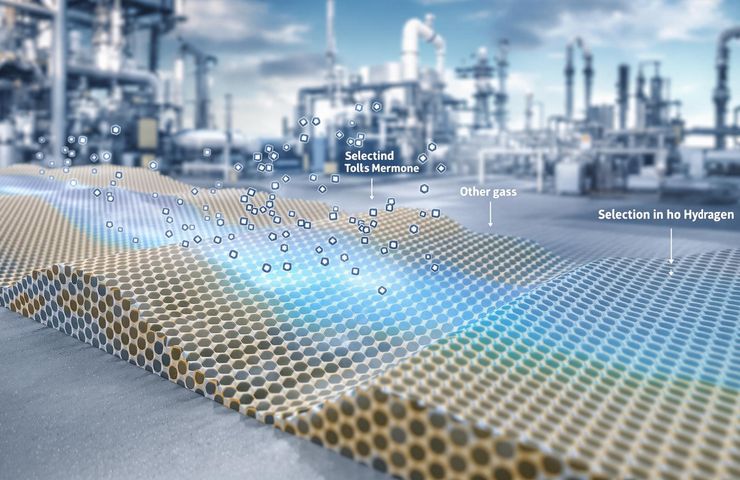
Mechanochemically crumpled graphene oxide membranes are making waves in the world of hydrogen production and purification. This game-changing tech is bringing a fresh solution to a long-standing problem: how to boost gas flow without sacrificing selectivity. And with industrial eyes set on it for a rollout by July 10, 2025, the timing couldn’t be better—especially as the pressure mounts worldwide for smarter industrial decarbonization and more efficient hydrogen energy systems.
Breaking the Permeability-Selectivity Deadlock
For years, researchers have been intrigued by graphene oxide (GO) membranes and their potential in separating gases—particularly hydrogen (H2). Their ultra-thin structure and customizable pores looked promising on paper. But in practice, it’s been a tricky balancing act: make them more permeable, and you lose selectivity; improve selectivity, and you choke the flow. That’s where the new crumpled design steps in.
Using a mechanochemical crumpling technique, scientists have reimagined how these membranes are structured. The crumpled layers adjust the gaps between them and carve out new pathways for gas to move through—letting hydrogen pass more freely, while screening out other gases like CO2. It’s a big deal, especially for industries dealing with syngas or natural gas streams and looking to clean up their hydrogen production processes without blowing the energy budget.
Why This Matters for Industry
The push for carbon neutrality is no longer just a future goal—it’s the here and now. Unfortunately, traditional hydrogen separation methods like cryogenic distillation or PSA (pressure swing adsorption) are energy-hungry and costly. These new crumpled membranes are designed to go the distance—they’re tough, scalable, and built to perform under real-world conditions.
This makes them a strong contender for both blue and green hydrogen infrastructure, especially where next-gen hydrogen hubs are emerging. Swapping out older systems or combining them with GO membranes could cut down on energy use and operating costs, while boosting the overall sustainability of hydrogen production.
The Science Behind the Tech
So, what’s actually happening on the molecular level? It’s all about high-precision nanoengineering. When GO sheets are crumpled, they stack irregularly. This creates narrow passageways that favor smaller molecules—like H2—to move through more easily. Plus, the natural chemistry of graphene oxide (those carboxylic and hydroxyl groups) helps it recognize and separate out certain gases.
The result? Better performance without falling apart under pressure. These membranes also hold up impressively well in harsh conditions, which is a major win for operations in hydrogen plants where durability can make or break a system.
Where We’ve Been—and Where We’re Going
This isn’t graphene oxide’s first shot at glory. Over the past ten years, researchers have experimented with all kinds of modifications—layer-by-layer setups, chemical tweaks, adding spacers—you name it. But none of those really cracked the core issue: the trade-off between letting gases flow and keeping them properly separated.
That’s what makes mechanochemical crumpling stand apart. It’s a more streamlined way to produce these membranes, backed by solid peer-reviewed research. Most importantly, it’s shaping up to be industrially viable—something many of its predecessors couldn’t claim.
The Bigger Picture—and the Bumps Ahead
If these GO membranes live up to expectations and scale successfully, the ripple effects could be massive. We're talking cleaner hydrogen pipelines, better integration with renewable energy, and giving a real boost to technologies like hydrogen fuel cells and green ammonia production.
Still, no rose without thorns. There are a few hurdles left, like sourcing enough quality graphene, making sure the membranes can go the distance without degrading, and keeping production costs in check. Pilot programs are already in motion, and the industry will be keeping a close watch as they move toward commercial validation.
That said, momentum is clearly building. According to a recent review, crumpled GO membranes are among the most exciting developments in a field that’s often been slow to shift gears.
What It Means for the Future of Hydrogen
When you step back and look at the bigger picture, innovations like this aren’t just scientific side notes—they’re foundational. They let engineers rethink how hydrogen purification fits into everything from electrolyzers to refueling stations, with an eye toward smaller footprints and smarter energy use.
In plain terms? If these membranes pull off what they’re promising, one of the toughest barriers to sustainable energy and scalable hydrogen fuel could finally come down. It’d give countries and industries the breathing room they need to reach zero-emission targets—without waiting around for the old-school infrastructure to catch up.
There’s still a lot to prove, but the signal is clear: for anyone involved in the hydrogen economy, next-gen membranes like these are more than just upgrades—they could be the missing link between the lab and the future of clean energy.