Clean Hydrogen News: Pohang Launches Digital Platform to Attract Global Hub Investment
Pohang City has unveiled h2pohang.kr, a new online portal bundling infrastructure plans, financial incentives and support programs to attract investors into its emerging hydrogen fuel cell cluster. Building on national funding and the city's Hydrogen City Project, the platform highlights pipeline networks, FCI’s 25 MW SOFC plant, testing centers and MOTIE-backed specialization incentives. By streamlining information for global capital, Pohang aims to diversify its steel-based economy, cut emissions and establish itself as a key hub in South Korea's clean hydrogen ecosystem.
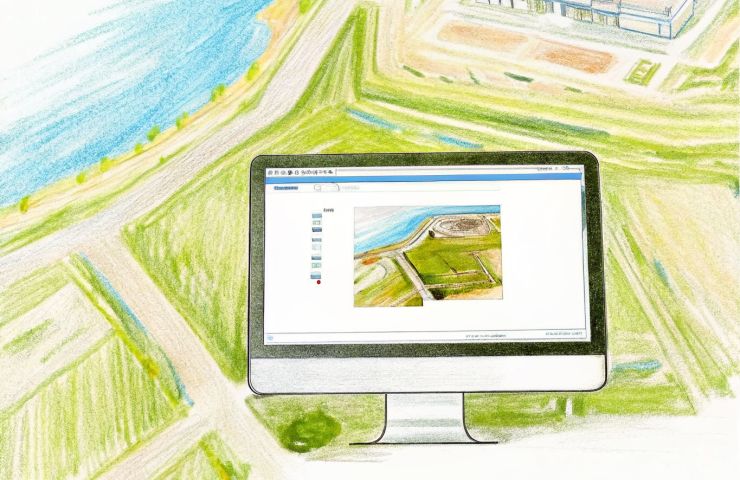
Big things are happening in Pohang City as it steps into the spotlight as a hydrogen powerhouse. They recently rolled out an online investment platform—h2pohang.kr—aimed at connecting global investors to local projects, incentive packages, and infrastructure plans. This is all part of a bigger vision to transform Pohang from a steel giant into a leader in clean hydrogen news and innovative fuel cell technology.
Why Go Digital?
In a world where everyone’s racing to grab a piece of the hydrogen infrastructure pie, having visibility is crucial. This new website aims to be a one-stop shop where investors can dive into various projects, view maps, navigate regulatory frameworks, and find out about support mechanisms. By bringing together all the info on local ordinances, national grants, and cluster layouts, they’re helping clear up any confusion and speeding up decision-making.
While we’re still waiting to see all the content on h2pohang.kr, the city is positioning the portal as a go-to resource for international investors interested in hydrogen production and related opportunities.
From Steel City to Hydrogen Hub
Pohang is shaped by its longstanding industrial legacy, thanks to POSCO, which has called this area home for decades. The groundwork for this transition was laid years ago with early energy projects, including a fuel cell plant that kicked off over a decade back. These efforts have fueled the city’s ambitious 'Hydrogen City Project', backed by more than just local enthusiasm; there’s also significant national funding pouring in from the Ministry of Land, Infrastructure, and Transport alongside local investments in the tens of billions of won.
Some key infrastructure commitments are:
Part of a National Hydrogen Network
Pohang is strategically tagged under South Korea’s east-coast hydrogen cluster strategy, with MOTIE planning to channel over ₩500 billion into combined public and private investments. This multi-hub approach aligns regions with specific roles: Pohang and the wider Gyeongbuk Province are gearing up for fuel cell power generation and hydrogen terminals, while other locales are focused on different aspects like production, storage, and transport.
The city’s application for hydrogen-specialized complex status at the Blue Valley National Industrial Complex covers about 280,000 m² and aims for incentives that include:
From Ideas to Reality
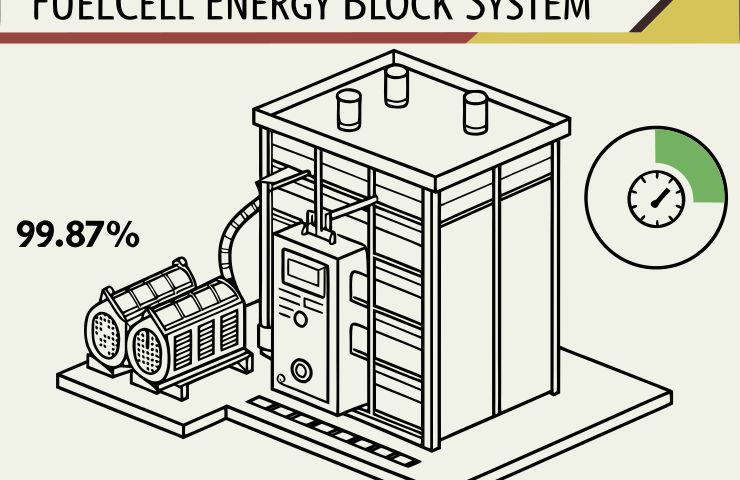
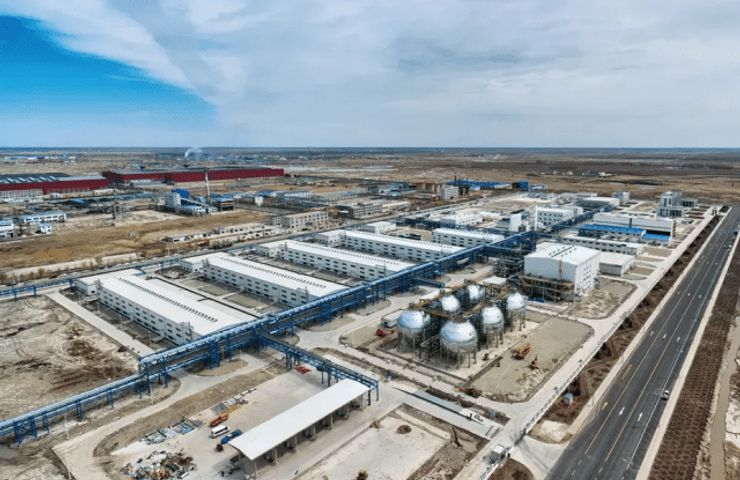
Exciting things are already on the horizon with FCI’s 'Hydrogen Fuel Cell Production Facility Plant 1'. Following a city agreement, this solid oxide fuel cell (SOFC) focused plant is set to cover around 48,556 m² and reach up to 25 MW of production capacity over time. It aims to integrate the manufacturing of fuel cell stacks, core components, and water electrolysis systems—catering to both local and export markets.
Thanks to the early coordination among city officials and industry insiders, six companies have attracted a combined ₩149.2 billion in private investment, marking a shift from just talk to real, on-the-ground industrial action.
So, How Do Fuel Cells Fit In?
Hydrogen fuel cells create electricity through an electrochemical reaction that produces only water and heat as byproducts. In solid oxide fuel cells, high temperatures (600–1,000 °C) allow ceramic electrolytes to conduct oxygen ions. This reaction with hydrogen at the anode generates power. Conversely, the solid oxide electrolyzers use electricity to break down water into hydrogen and oxygen, paving the way for green hydrogen production when powered by renewable sources.
Pohang’s cluster will have testing centers that can evaluate systems up to 4 MW, ensuring that manufacturers can validate the performance, durability, and safety of their technologies before they hit the market.
More Than Just a Financial Impact
By connecting existing industrial processes—like POSCO’s by-product hydrogen—with new manufacturing and certification infrastructures, Pohang is expecting to unlock a treasure trove of benefits:
Can a Website Really Shape Our Hydrogen Future?
Launching this investment portal might seem small compared to all the big machinery and pipelines, but in a world where investors crave transparency and quick access, h2pohang.kr could be a game-changer. By rolling out infrastructure plans, financial perks, and regulatory details in one easily navigable space, Pohang City is betting that clarity will convert curiosity into concrete commitments.
If it works out, this digital hub could serve as a model for other cities eager to grab their share of the hydrogen energy news wave. As global players explore hydrogen production methods, hydrogen storage solutions, and hydrogen project financing, Pohang’s blend of old industrial strengths and a clear vision for a green hydrogen production future could lead the way.