China's No. 7 Engineering Arm Secures EPC Role for Namibia’s 3GW Green Hydrogen Project
China’s No. 7 Engineering arm joins Namibia and Hyphen Hydrogen Energy to deliver Africa’s first 3 GW green hydrogen-to-ammonia megaproject—aiming to reshape the region's economy and energy trajectory.
A major milestone has just been reached in Namibia’s journey toward a sustainable energy future, and it’s got some serious international backing.
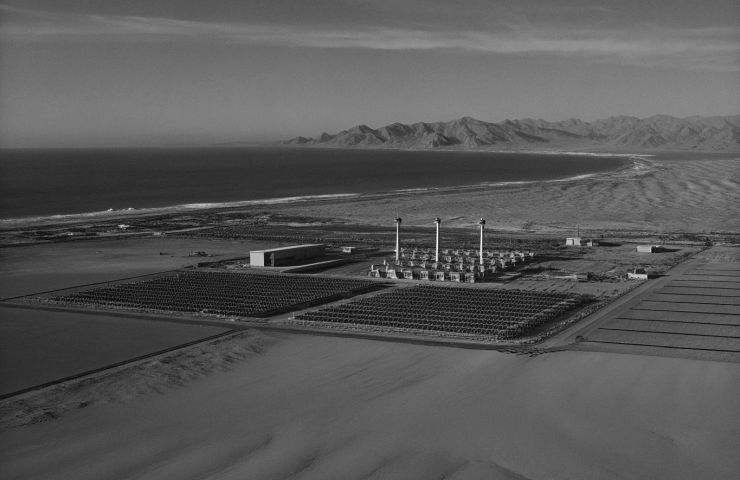
Hyphen Hydrogen Energy—the company leading Namibia’s charge into the green hydrogen space—has teamed up with none other than China National Chemical Engineering No. 7 Construction Company. They've been tapped for the Engineering, Procurement, and Construction (EPC) contract on a game-changing 3 GW green hydrogen-to-ammonia project located in the heart of Tsau Khaeb National Park, just outside of Lüderitz.
Namibia’s Big Bet on Renewables
This project isn't just big—it’s part of a bold national strategy, showing how serious Namibia is about moving from traditional resource extraction to sustainable industrialization. The location was no random pick. With world-class solar and wind resources, access to the Atlantic for water and shipping, and vast open land in a former diamond-mining zone, the site checks all the right boxes.
The idea is to use renewable-powered electrolysis to generate green hydrogen, which will then be turned into green ammonia. The bulk of it will be exported. Just to put the scale into perspective: we’re talking over $10 billion in investment—roughly the size of Namibia’s entire GDP. This is massive.
How It Works: A Clean Energy Chain
- Electrolysis: Saltwater from the Atlantic will be desalinated and then split into hydrogen and oxygen using clean electricity—no CO₂ emissions in sight.
- Ammonia Production: That hydrogen gets combined with nitrogen using a green-powered Haber-Bosch process to make green ammonia. It’s great for fertilizer, clean fuel, or as a way to store and ship renewable energy abroad.
This tightly integrated system keeps the environmental impact low while helping Namibia—and its future customers—hit their industrial decarbonization goals. The Chinese EPC partner brings serious know-how when it comes to big-ticket energy infrastructure, which will be crucial as the clock ticks toward the ambitious July 2025 launch target.
Beyond Power: What’s Really at Stake
This isn’t just about building a new energy plant. The Namibian government is all-in, not just as a land provider but as a true partner. From better infrastructure and energy security to job creation and economic stimulus, the ripple effects could be enormous. In fact, projections suggest the project could lift Namibia’s GDP by as much as 30% by 2030 and create thousands of new jobs.
There’s also a clear signal here about China and Africa deepening ties in the energy space. While European advisors helped shape Namibia’s green hydrogen vision early on, China is stepping up in a big way in the delivery phase, with capital and technical muscle to back it up.
The Balancing Act: Development vs. Environment
Of course, no project of this scale is free of complications. The site lies within Tsau Khaeb National Park, an area known for its delicate ecosystems. That’s a big reason Hyphen is emphasizing its commitment to ecological responsibility and agreements designed to share benefits with local communities. But words need to be backed up with action—ongoing environmental monitoring and transparent reporting will be essential to earn and keep public trust.
Then there’s the wildcard of global commodity prices. The green hydrogen market is still developing, and Namibia’s long-term target—to become a 15 million-tonne-per-year exporter by 2050—depends not just on production, but also on whether demand and policies abroad keep pace.
A Bold Prototype for Africa’s Green Future
This isn’t just another energy project—it’s a real-world test for what large-scale sustainable energy development could look like across Africa. It's a fusion of renewable energy production, water management, foreign investment, economic uplift, and global cooperation all in one package. If Hyphen and China’s No. 7 team can stick the landing, Namibia could become more than just an exporter of green ammonia—it could become a symbol of what’s possible when the green energy transition is done right.
This is one project we’ll definitely be keeping our eyes on, as it lays the groundwork for a new chapter in clean energy—both for Namibia and the region as a whole.