China Launches First Regional Hydrogen Truck Corridor, Backed by Sinopec and Dongfeng
China’s first cross-provincial hydrogen truck route marks a real leap forward in zero-emission freight. Backed by Sinopec and Dongfeng, it's redefining heavy-duty transport in line with China’s carbon goals.
China Hits the Gas on Hydrogen Fuel Cell Trucking
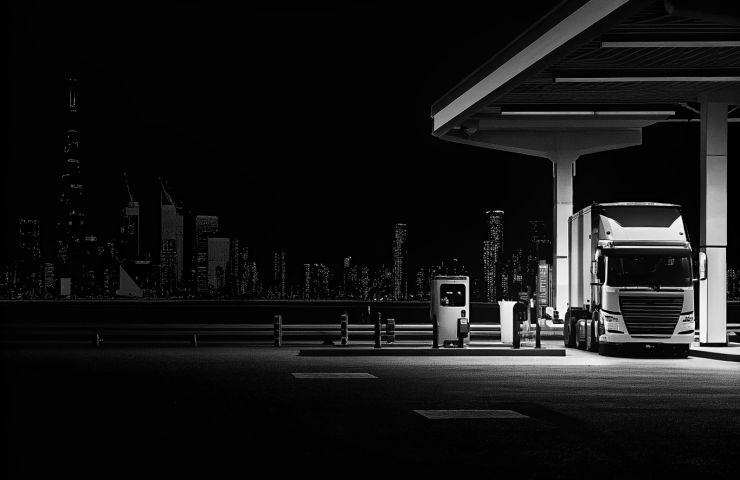
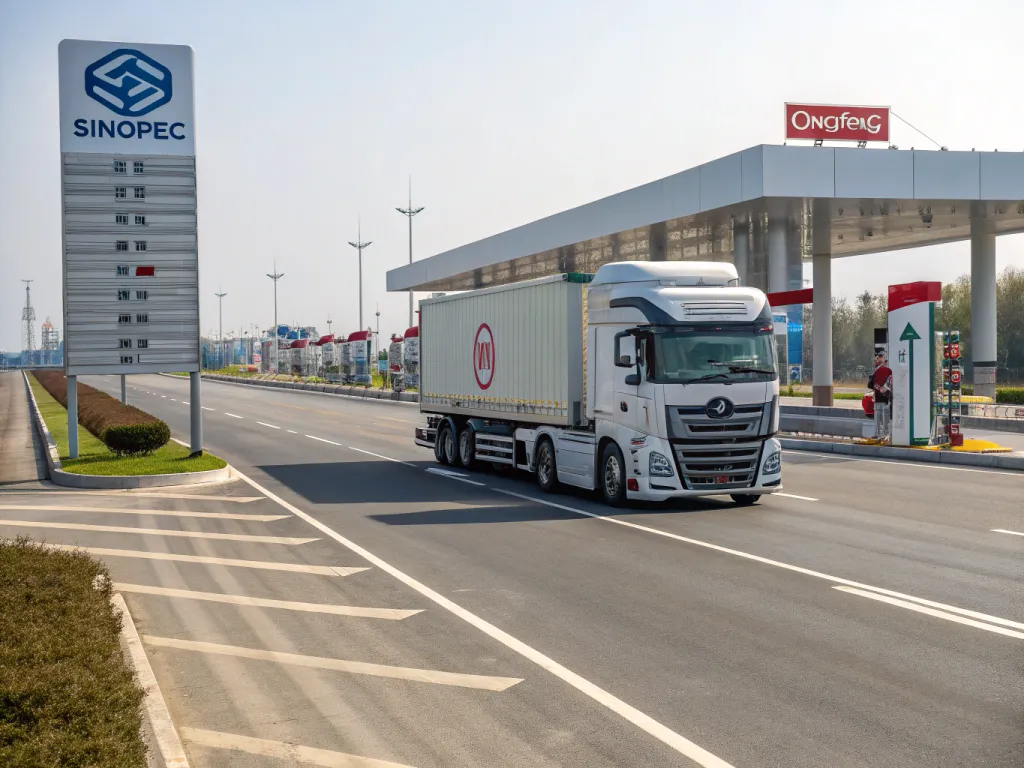
China’s just taken a big leap forward in industrial decarbonization, officially kicking off its first cross-regional route for heavy-duty, hydrogen fuel cell trucks. This game-changing project, led by energy heavyweight Sinopec and vehicle maker Dongfeng Motor Corporation, wasn’t just some quiet test run. It’s a full-on move into real-world logistics, backed by both local and provincial governments. While the route specifics are still on a need-to-know basis, one thing’s crystal clear: hydrogen-powered freight is no longer some distant dream—it’s happening now, in the world’s largest logistics market.
Why This Changes the Game
Here’s the deal: cutting emissions from heavy-duty trucks isn’t easy. These rigs need serious range, quick refueling, and enough muscle to haul massive loads. That’s where fuel cell technology shines—and why this project matters. Unlike batteries, hydrogen fuel cells can take on long-haul duties without breaking a sweat.
So, what’s sparking the move? A mix of climate goals, energy strategy, and good old-fashioned innovation. Hydrogen trucks promise to slash greenhouse gas emissions and curb nasty local pollutants, especially along overworked trade corridors. Plus, they give China a shot to flex its muscle in the growing hydrogen infrastructure race, showing the world it’s got not just the ambition, but the tech to back it up.
The Dream Team: Sinopec & Dongfeng
Let’s talk players. Sinopec, known globally for oil and gas, is quickly becoming a force in hydrogen. They’ve got dozens of refueling stations across China and are ramping up investments in green hydrogen using electrolysis—clean and smart. For this project, they're likely covering everything from production and storage to actual fuel delivery.
On the road side, you’ve got Dongfeng Motor, a seasoned pro in building big trucks. They’ve already been experimenting with hydrogen fuel cell trucks through pilot programs, but now those vehicles are hitting highways, not just test tracks. If all goes well, scaling up could be right around the corner—which also means costs could start coming down thanks to volume production.
Under the Hood: Tech and Infrastructure
At the heart of these trucks is fuel cell technology, converting hydrogen into electricity right there on the vehicle—no emissions except a sip of water vapor. And China’s not winging it here. Years of R&D and policy support are now bearing fruit. Critical components of this push include:
- High-performance fuel cell stacks built for long-distance, high-load trucking
- A growing nationwide network of hydrogen refueling stations
- Both centralized and distributed hydrogen production, with more coming from renewables every day
Sure, it’s still more expensive than diesel—for now. But the gap’s closing fast. Pair that with generous government subsidies that cut initial costs, and suddenly hydrogen fuel cell trucks don’t seem like such a long shot anymore.
Backed by Policy and Vision
Let’s be real—this isn’t just a business experiment. Local and provincial governments are all-in, offering everything from policy support to fast-tracked regulatory approvals. Hydrogen isn't just part of China’s energy future—it’s central to it. The country has set its sights on carbon neutrality by 2060, and hydrogen plays a starring role in making that happen.
China’s already said it wants 50,000 hydrogen-powered vehicles on the road by 2025, mostly trucks and buses. This new corridor? It fits right into that plan—and then some.
Bigger Picture: Global Ripples
This whole thing isn’t just about China. Moves like these create shockwaves globally. Countries like Germany, South Korea, and the U.S. are all eyeing similar projects for their freight systems. If China can show that hydrogen fuel cells work at scale—even in complex, fast-paced logistics networks—it could help lower perceived risks for international players getting into the hydrogen game.
There’s also the energy independence angle. By leaning into green hydrogen, China could ease its reliance on imported oil. And with fossil fuel giants like Sinopec embracing hydrogen, the message is loud and clear: evolve or be left behind.
Looking Down the Road
This first phase is just getting things rolling. Next up? Expect more truck models from Dongfeng, tighter partnerships with logistics giants, freshly built refueling hubs along major industrial corridors, and stronger ties between trucking and China’s massive sustainable manufacturing zones.
And don’t be surprised if Sinopec starts lending its expertise abroad. Through international deals—especially in countries tied into China’s Belt and Road Initiative—the company might help export both its hydrogen tech and infrastructure know-how.
With trucks already logging real highway miles, a growing hydrogen infrastructure, and government support locked in, China’s hydrogen trucking project could be the next big thing in clean freight. It’s not just about moving goods—it’s about moving forward.
The next chapter of heavy-duty transport might not roar like a diesel engine—but it could just hiss quietly as clean hydrogen powers it into the future.