News
BayoTech Shifts Focus: New Hydrogen Hub Site to Drive Faster, Cleaner Deployment in Northern California
Facing environmental lawsuits and regulatory delays, BayoTech is shifting its planned hydrogen hub from Stockton to a faster, cleaner deployment site in Northern California.
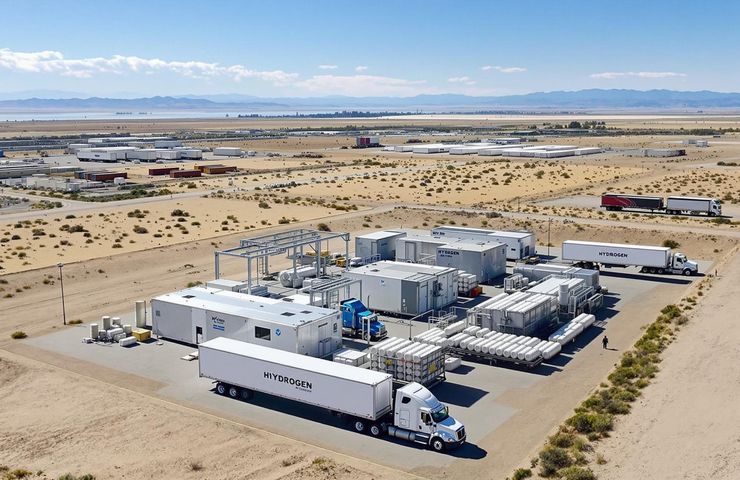
BayoTech Changes Course on California Hydrogen Hub Plans
Sometimes in the clean energy game, timing—and picking your battles—makes all the difference. On July 3, 2025, BayoTech, the U.S.-based outfit known for its modular, on-site hydrogen production systems, pulled the plug on its previously approved site at the Port of Stockton. Instead, they’re moving the project to a new, yet-to-be-revealed location somewhere else in Northern California. Why? To keep things moving and bypass the slow grind of red tape and legal challenges.So, What Just Happened?
• BayoTech officially steps back from the Port of Stockton site.• A new location has been picked—but the details are still under wraps.
• Original plan? Produce 2 tons of hydrogen a day to fuel zero-emission technology for clean transportation.
• Environmental legal challenges around pollution risks prompted a rethink. The Bottom Line: Rather than get bogged down in lawsuits and delays, BayoTech chose to hit reset and keep the momentum going. It’s a move to sidestep the usual regulatory gridlock in California’s hydrogen infrastructure rollout.
The Tech Behind the Move
At the heart of BayoTech’s strategy is a smarter, more local approach to hydrogen production. They use a process called steam methane reforming (SMR)—ideally powered by renewable biogas or combined with carbon capture—inside small-scale, modular plants. That way, the hydrogen’s made closer to where it’s used, cutting back on long-haul transport emissions. While the core technology isn’t new, the modular, distributed model is a fresh take—and it’s tailor-made for places like Northern California, where air quality’s a hot-button issue, especially around the Central Valley. Of course, not everyone’s sold. Using methane, even from renewable sources, opens the door to criticism from environmental advocates who are pushing for full lifecycle sustainability—not just low emissions at the point of use.Why the Switch? A Strategic Move
Let’s be real—this isn't just a site swap. It’s a whole new approach. BayoTech is aiming for a home base that isn’t tied up in lawsuits or political controversy. By picking a less contentious location, they’re speeding up their timeline and staying aligned with California’s big-picture clean transportation goals. It’s also a smart business move. A less dicey site means quicker permits, fewer legal bills, happier communities, and a shinier public image. All of that clears the runway for faster partnerships with transit agencies and port authorities already looking to plug into hydrogen fuel cells and zero-emission technology.How Stockton Slipped Out of the Picture
At first, Stockton made a lot of sense. It’s a major logistics hub in a community already hit hard by pollution—a perfect candidate for clean energy intervention. Local leaders were on board, and the project even got green-lit. But then came the backlash. Heavy hitters like the Sierra Club, Earthjustice, and the Center for Biological Diversity pushed back hard, concerned that a methane-powered hydrogen plant would only pile on to the area’s pollution burden. Their message: We don’t need another industrial footprint masked as sustainability. Whether you see that as necessary caution or overkill, the pressure did its job. BayoTech is out.The Bigger Picture
Let’s not paint this as a defeat. It’s a course correction. BayoTech didn’t get cold feet—they got tired of legal limbo. This is what it looks like when a company prioritizes scale and speed in a state where environmental lawsuits are practically a rite of passage. That said, there’s still an elephant in the room: methane. If BayoTech wants to win over skeptics, they'll need to double down on either 100% renewable sources or serious carbon capture tech. Otherwise, the numbers won’t add up in California’s race toward industrial decarbonization.The Road Ahead
We’re waiting on details about the new location, but it’ll speak volumes. Will it be tucked away in an industrial zone with built-in infrastructure—or planted in a high-traffic transport area eager to ditch diesel for H2? Either way, BayoTech’s bet is clear: local-first, modular hydrogen infrastructure that can plug and play with existing systems—and scale fast across the country. The big test? Whether they can stick to their climate promises without getting tangled in bureaucracy. California’s watching.How was this article?
Thanks for the feedback!