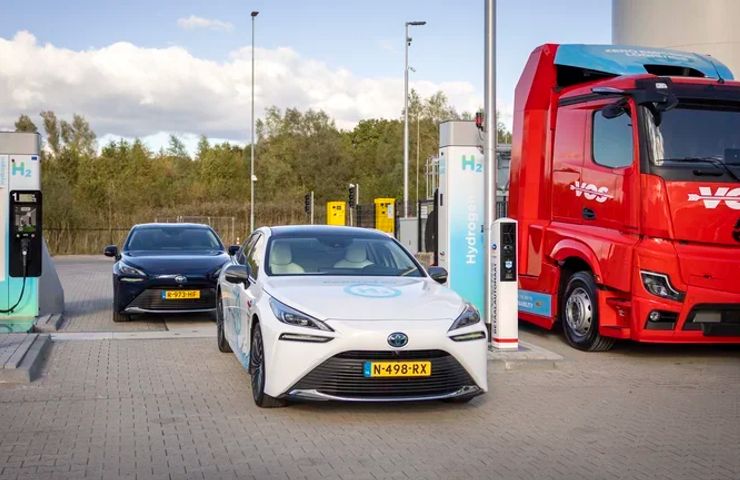
Air Products Retreats from U.S. Clean Hydrogen Projects with $3.1B Write-Down
Air Products is stepping away from three major U.S. clean hydrogen projects, absorbing a $3.1B hit as it reverts to its traditional industrial gas model under new leadership.
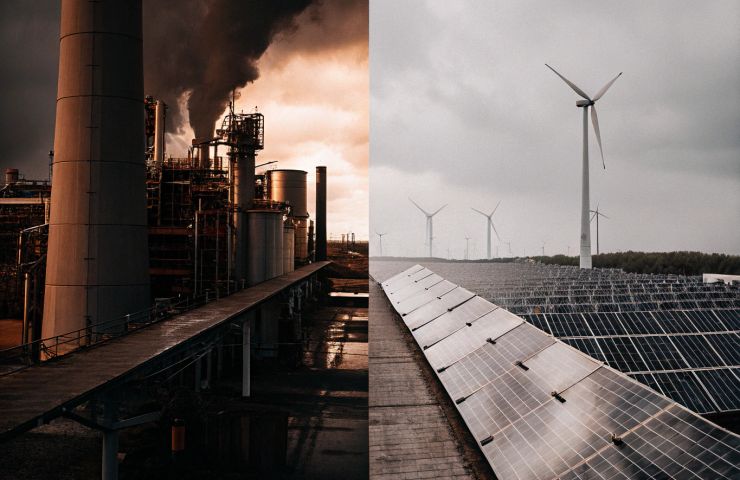
Air Products, one of the biggest players in industrial gases, just made a jaw-dropping move—it’s pulling back hard from clean hydrogen efforts in the U.S. In July 2025, the company stepped away from three major American projects aimed at ramping up green hydrogen and sustainable aviation fuel. That decision came with a massive financial hit: a staggering $3.1 billion write-down.
New CEO, New Game Plan
This dramatic pivot comes on the heels of a leadership shakeup. Longtime CEO Seifi Ghasemi, the driving force behind Air Products’ clean hydrogen ambitions, was recently shown the door. The company’s new head honcho, Eduardo Menezes, isn’t wasting any time getting back to basics. He’s redirecting focus to what the company knows best—solid, long-term industrial contracts across its traditional gas markets. It’s a clear sign: the company’s hitting the brakes on riskier bets to steady the ship financially after rising debt and dwindling reserves raised some red flags.
Big Bet, Bigger Price Tag
That $3.1 billion charge-off really drives home just how expensive and uncertain scaling up green hydrogen production can be—especially for legacy giants used to more predictable returns. Building electrolyzers, powering them with clean energy, locking in customers—it’s a whole different ballgame and, right now, one that’s proving harder to win at scale than many hoped.
Air Products' retreat underscores the tightrope legacy firms are walking: push too fast into emerging spaces, and you risk shaking the very foundation your business is built on.
U.S. Clean Energy Ambitions Take a Hit
The U.S. has been charging forward with plans to make clean hydrogen a cornerstone of its push for sustainable energy. But when a big name like Air Products taps out of flagship projects, it sends shockwaves—through supply chains, project timelines, and investor confidence alike. It could mean delays for parts of the hydrogen rollout, especially in segments like sustainable aviation fuel, which are still finding their footing.
Policy experts are already bracing for ripple effects—from slower job growth to missed emissions milestones. Still, some see opportunity in the shakeup. Startups ready to hustle, innovative financing models, and bold public-private ventures may now have a shot at grabbing the spotlight Air Products just left behind.
Do We Need the Giants to Go Green?
Companies like Air Products built their empires through steady, low-risk strategies—supplying gases to industrial giants on contracts that last decades. That kind of stability kept the lights on and investors happy. But now, with industrial decarbonization and sustainable energy in the driver’s seat, standing still might not cut it anymore.
Trying to scale green hydrogen throws a wrench into that old model. The costs are high, the tech is still evolving, and policy support can shift with every election cycle. For legacy firms used to certainty, it’s a tough pill to swallow.
The Hydrogen Engine Keeps Running
Even with Air Products bowing out, the U.S. hydrogen game isn’t grinding to a halt. Several major plants are still charging toward launch by the end of 2025, including:
- St. Gabriel Green Hydrogen Plant in Louisiana, a partnership between Plug Power and Olin
- Sauk Valley Plant in Illinois, driven by Invenergy
- Smaller players like Independence Hydrogen, who are exploring modular, decentralized hydrogen production models
These efforts show a shift in strategy—less “go big or go home,” more agile and local. Think smarter, not just bigger. Some insiders even predict the flexible, layered approach could end up outpacing traditional megaprojects.
“This won’t be a one-size-fits-all transformation,” said one energy executive. “Air Products showed us that top-down, heavy-spending models aren’t the only way forward.”
Money Talks—and It's Preaching Prudence
The message from Air Products is loud and clear: even the strongest climate pitch isn’t bulletproof if it puts too much pressure on your bottom line. Expect other industrial gas companies to tread more carefully in the near term. Still, history tells us that real progress often comes from places no one’s watching—until they’re leading.
About Air Products
Founded in 1940 and based in Allentown, Pennsylvania, Air Products has built a global business in over 50 countries by supplying gases like hydrogen, oxygen, and nitrogen. Its bread and butter? Reliable revenue from long-haul industrial contracts. In recent years, though, the company had started leaning into big clean energy moves. That strategy is now getting a serious rethink.
What's Next for Clean Hydrogen?
As we approach 2025, the real question isn’t whether clean hydrogen has a future—it’s about how we get there. The space is still wide open for bold thinkers and fast movers who can juggle the capital demands and market uncertainty. Air Products may be out—for now—but the door’s wide open for a new era of players to step in. The path might be winding, unpredictable even. But that’s often how real change starts.