Air Liquide Expands Industrial Decarbonization Push in Gujarat with New ASU and CFS Facilities
Air Liquide doubles down in Gujarat with a new gas production and filling facility set for 2027, combining industrial growth with clean energy integration.
Air Liquide is stepping up its game in India with a major new investment that checks all the right boxes—bigger footprint, smarter infrastructure, and a laser focus on sustainability. Set to go live in 2027, the global leader in gases is building a second Air Separation Unit (ASU) and a Cylinder Filling Station (CFS) in Bhagapura, Gujarat—a region that’s fast becoming the beating heart of India’s industrial evolution.
Scaling Up in a Key Region
This isn’t just another facility going up—it’s an exponential leap. With the new setup, Air Liquide will double its gas production capacity in Gujarat. That’s a big deal in a state already buzzing with industries like automotive, electronics, battery manufacturing, and healthcare. More gas means better supply chain resilience and smarter logistics for customers who can’t afford downtime.
We’re talking about a production output of around 200 tonnes daily, delivering essential gases like oxygen and nitrogen. Plus, the CFS will handle over 1,000 cylinder fills per day. It’s not just about scale, it’s about empowering industries that are key to a cleaner, healthier future for India.
Cleaner Energy with a Purpose
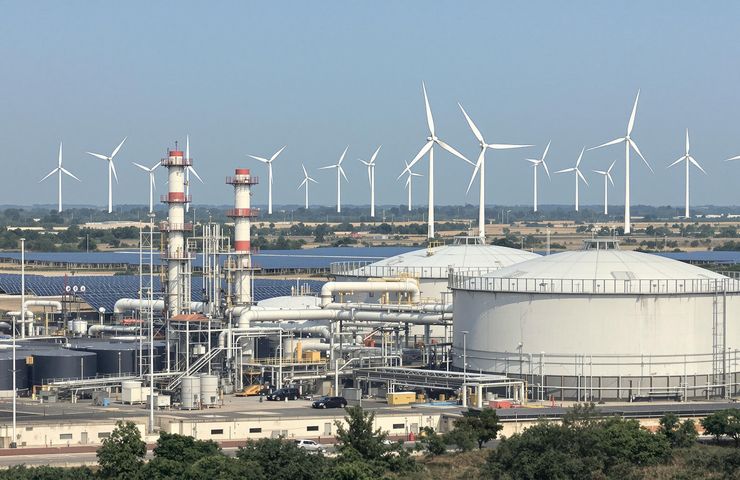
What sets this project apart isn’t just its capacity—it’s the commitment to getting it done sustainably. Thanks to Gujarat’s progressive Wind-Solar Hybrid Power Policy, Air Liquide plans to start integrating renewable energy into operations by 2029. Smart move for a company that's got its sights set on carbon neutrality by 2050.
Whether it’s through renewable energy direct purchase agreements or tapping into grid-connected clean power, the company is making a clear push toward industrial decarbonization. That’s especially important for a country like India, where industrial growth and climate goals often seem at odds. Air Liquide is proving they don’t have to be.
Gujarat: India’s Industrial Sweet Spot
So why Gujarat? It’s simple—it hits the sweet spot for both rapid growth and sustainable infrastructure. The state has positioned itself as a national leader in everything from clean tech to semiconductors, and big players need a steady flow of high-purity industrial gases to keep operations running smoothly.
Bhagapura, located near Ahmedabad, offers great access to transport corridors and upcoming industrial hubs. It also links perfectly with Air Liquide’s existing ASU in Jhagadia, creating a stronger, tighter supply chain that’s built for efficiency.
Broader Impact: From Industry to Community
This move isn’t just about feeding factories. With an expanded supply of medical-grade oxygen and nitrogen, hospitals and clinics can respond faster, which is crucial in a post-COVID world. On the industrial side, cutting the dependency on gas transported from miles away saves money and time—and we all know time is money.
But there’s more. The project will create new jobs, both during the build and once it’s up and running. It’s about building sustainable infrastructure that doesn’t just serve industries—it lifts entire communities.
Sure, there may be bumps along the road. Construction brings its own set of environmental challenges, and smaller regional players might feel the heat. But this isn't corporate takeover territory—it’s about driving progress in a way that lets everyone ride the current.
Behind the Tech: Cool Science at Work
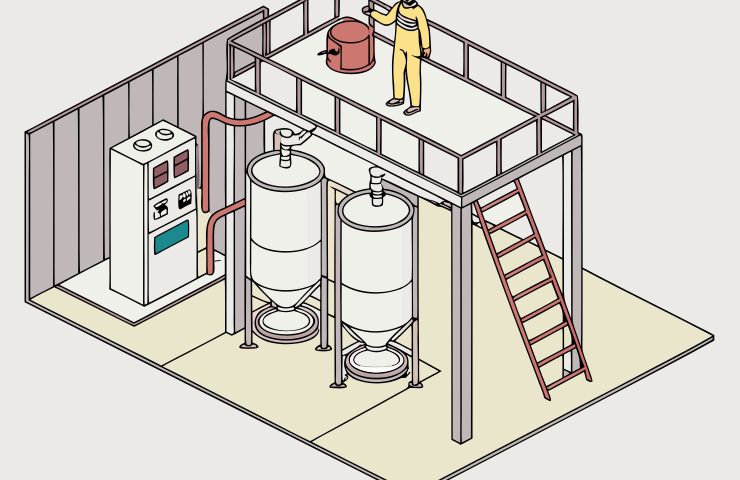
At the heart of it all is some pretty fascinating technology. The Air Separation Unit cools down regular air to super-low temperatures in a process called cryogenic distillation. That’s how it separates oxygen, nitrogen, and noble gases based on different boiling points.
Then comes the Cylinder Filling Station, where these gases are compressed into high-pressure steel cylinders and sent out to clients across Gujarat. The whole operation will be backed by renewable energy integration—solar, wind, or hybrid—making Air Liquide one of the few players truly walking the sustainability talk.
The Big Picture: More Than Just Output
At the end of the day, what Air Liquide is building in Gujarat goes way beyond just physical output. It brings together sustainable energy, industrial decarbonization, and a clear focus on future-ready industries. It strengthens lifelines for critical sectors like healthcare, tightens up supply chains, and positions India as both a manufacturing and environmental leader.
And with game-changers like clean ammonia and hydrogen infrastructure gathering momentum in India's net-zero ambitions, ecosystems anchored by forward-thinking companies like Air Liquide are going to be absolutely essential.
About the Company
Air Liquide, headquartered in France, has been making its mark in India since 1996. It’s one of the world’s top-tier suppliers of industrial and medical gases, and it's deeply rooted in key sectors—from healthcare and electronics to clean ammonia and emerging hydrogen infrastructure. Its global scale and local commitment make it a company to watch in the race for a sustainable future.