800 VDC Data Center Power: Bloom Energy’s Direct DC Fuel Cell Architecture
Bloom Energy’s new 800 VDC-native fuel-cell architecture aims to simplify power delivery and cut billions in costs for high-density AI data centers by generating direct current on site and reducing conversion stages.
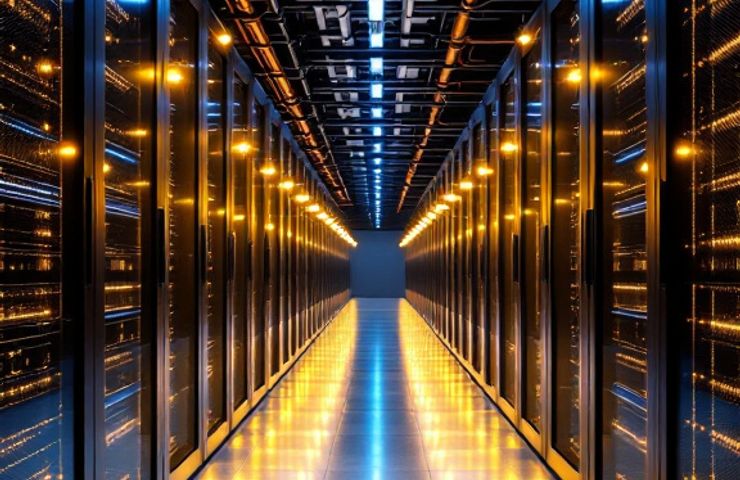
Bloom Energy has just rolled out an exciting new 800 VDC-native power system that could change the game for those high-density AI data centers. Instead of dealing with the usual back-and-forth of converting electricity from AC to DC, this system generates direct current right on the spot using solid oxide fuel cells. This move makes things a lot smoother and puts us right on track with the voltage needs of next-gen data center setups.
Power Where It Counts
Let’s face it: AI servers are cranking up the power demands in data centers like never before, and honestly, the old-school AC distribution system is really starting to buckle under the pressure. Power from the grid comes in as medium-voltage AC, but then it has to shuffle through a maze of transformers, UPS devices, rectifiers, and DC-DC converters before it makes it to those GPUs. It's a nightmare of added costs, complexity, and energy losses at every turn.
Bloom’s 800 VDC setup flips that script entirely. Their fuel cells whip up about 800 volts of direct current right at the facility's edge. That high-voltage bus runs through safe conductors straight to the server rows. And just near those racks, compact DC-DC modules tweak the voltage down to the 48 V, 12 V, and core rails that GPUs crave. This whole high-voltage approach means less current is used, reducing the need for copper wiring and cutting down on resistive losses. It’s a win-win!
How Solid Oxide Fuel Cells Fit
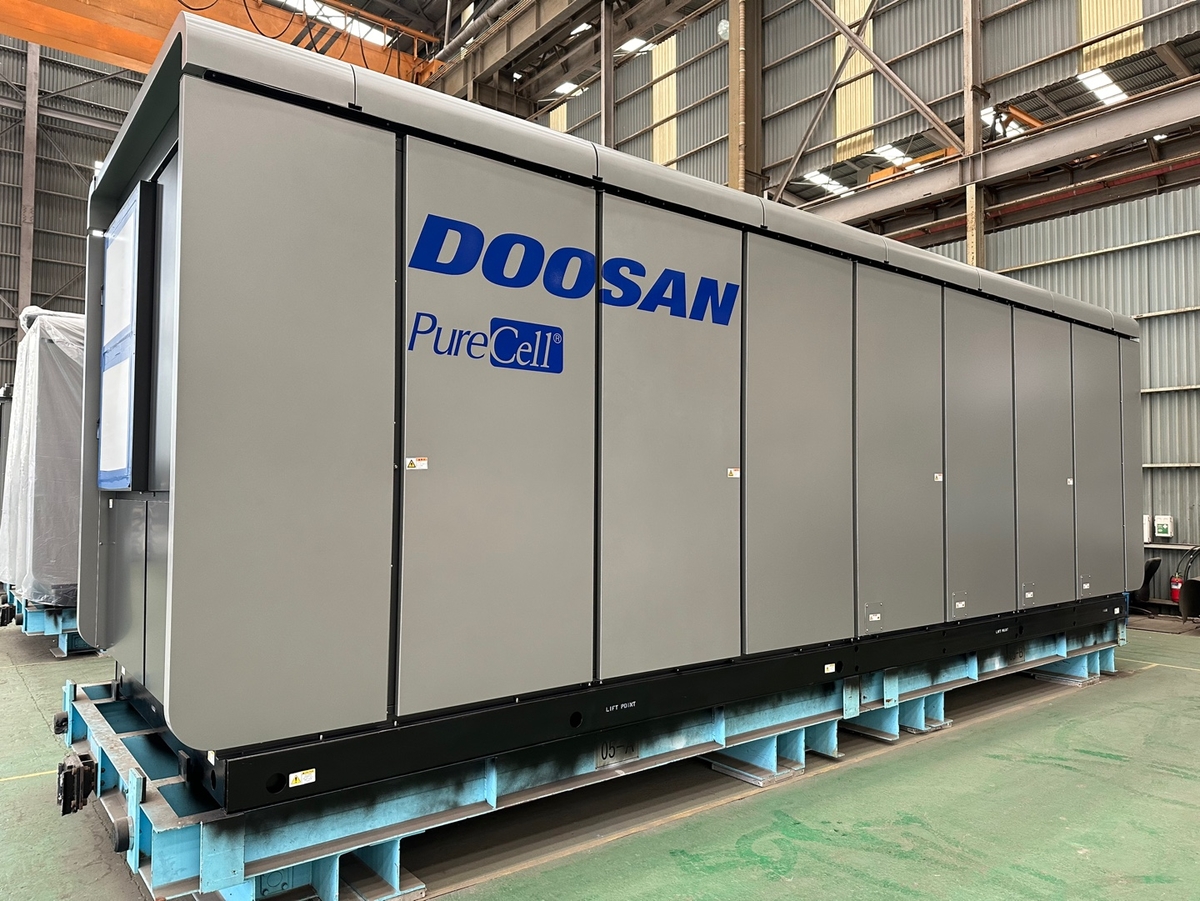
So, what powers this revolutionary system? It’s all about Bloom’s modular solid oxide fuel cells. These nifty ceramic stacks take natural gas, biogas, or hydrogen and transform them into DC electricity. No combustion here; this process is entirely electrochemical. Oxygen ions move through the electrolyte, react with the fuel at the anode, and zap electrons into an external circuit. The end result? A steady stream of power right at the necessary DC voltage, just like the system needs.
The Big Savings Claim
According to Bloom’s analysis for a 1 gigawatt AI data center, this 800 VDC-native approach could slash balance-of-plant equipment and installation costs by about $3.6 billion—yep, that's a whopping 27%—compared to the typical AC-first setups we’ve been using. Over five years, the total cost of ownership could dip by roughly $5.5 billion, which is about 9%. Keep in mind, these numbers are based on company estimates and haven’t been independently verified yet.
- Fewer transformers and rectifiers squeezed into the mix
- Reduced copper busway needs
- Lower conversion losses all around
- A more compact equipment footprint, making everything easier to manage
Industry Context
This push for high-voltage DC distribution is perfectly in sync with the plans laid out by major AI-engine hardware developers. One leading company has even mentioned converting medium-voltage AC to that sweet 800 VDC right at the facility infeed and then distributing it to 1 MW-class racks with super-efficient high-ratio DC-DC converters positioned close to the GPUs. Anticipation is building, too: global energy analysts are predicting that data center energy demands could double by 2030, which makes the need for on-site generation and streamlined distribution even more critical.
Rolling Out and Real-World Impact
For those large campuses grappling with long delays for grid upgrades and transformers, on-site DC generation could pave a new path. Developers have the flexibility to set up fuel-cell modules alongside switchgear, busways, and protection systems right from the get-go, ensuring continuous power supply is there from day one. This level of agility can change the game regarding new timelines for AI projects and help reduce reliance on stretched utility interconnections.
Challenges Ahead
Of course, no technology comes without its challenges. Distributing high-voltage DC requires specialized breakers, arc-flash mitigation, updated codes, and skilled crews. Fuel-cell installations have to tackle air-quality permits, emissions regulations, and logistics for fuel. Plus, while electrochemical generation avoids combustion at the fuel cell stack, an operation running on natural gas will still spit out CO₂ and upstream methane emissions unless it’s using biogas or hydrogen.
What’s Next?
Bloom is sharing detailed technical papers and is chatting with major AI operators about rolling this out. Independent pilots and third-party cost audits will be crucial in proving the benefits everyone is buzzing about. If this architecture actually delivers on a large scale, it could completely reshape how data centers are designed, ramp up demand for DC-native components, and speed up on-site distributed generation.
Final Thought
This isn’t just another conversation about power; it’s a glimpse into the future of AI facilities and how they might rethink their entire electrical framework. With direct-DC fuel-cell generation and 800 V busways, developers could streamline their systems, cut down on conversion stages, and potentially save billions in the process. The theoretical groundwork is there now; the real challenge will be turning it into live deployments that verify whether this ambitious vision can truly meet the needs of future data racks.