Ulsan Demonstration Tests Hydrogen Fuel-Cell Excavators on Real Construction Sites
South Korea’s Ulsan region is hosting a multi-year trial of a 14-ton hydrogen fuel-cell excavator that uses solid-state storage in its counterweight. The project aims to validate 12-hour runtime and fast refueling while gathering data on performance, safety and economics to guide future regulations and commercial rollouts.
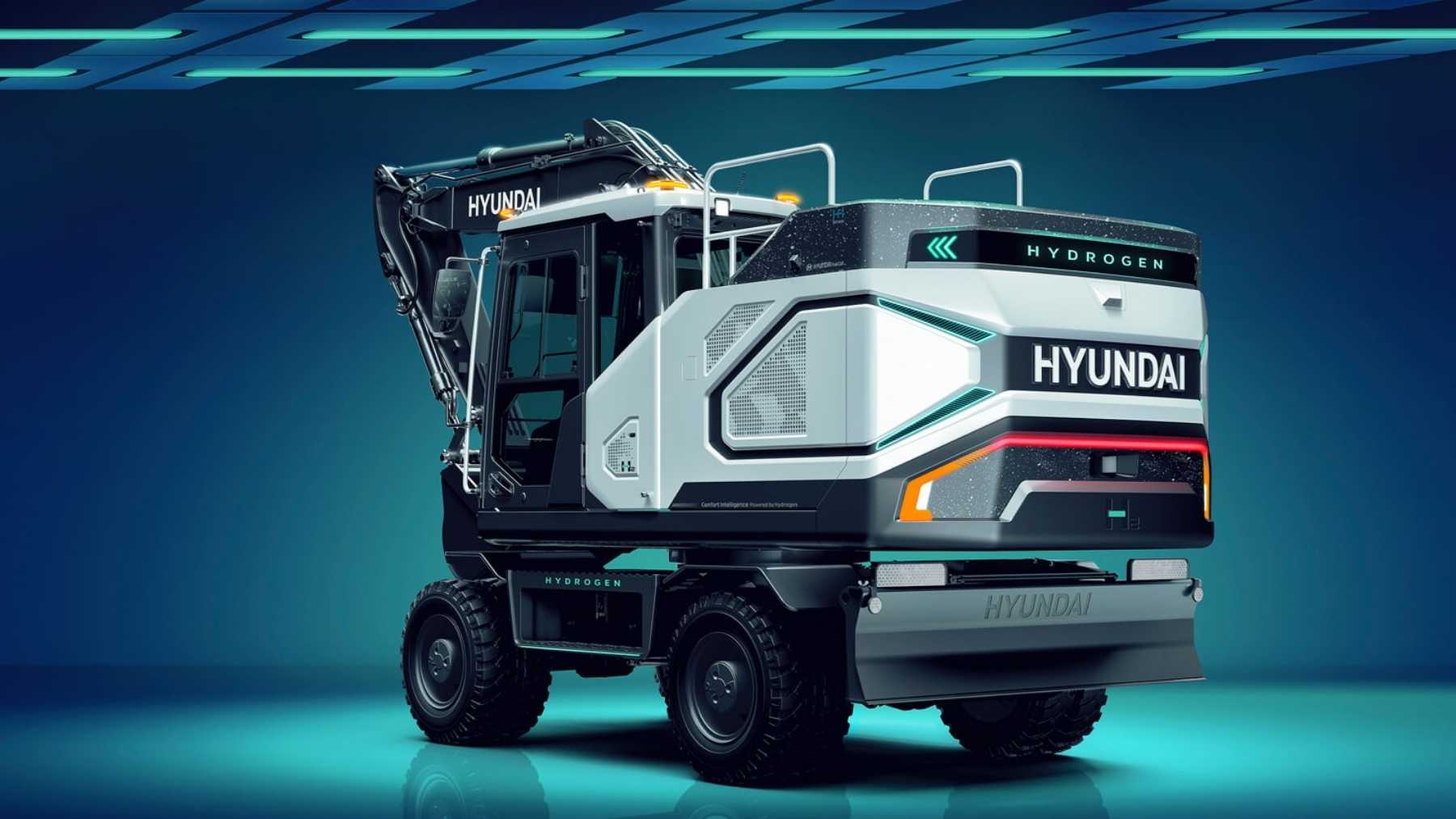
Have you ever wondered why the biggest machines on a construction site still chug along on diesel when there are zero-emission options available? Well, things are changing! In Ulsan, a bustling city in South Korea known for its shipyards and petrochemical plants, an exciting chapter in hydrogen fuel cell news is starting to unfold. A partnership spearheaded by HD Hyundai Construction Equipment has rolled out the HW155H, a 14-ton excavator powered by a 90 kW fuel cell right onto active job sites. This machine stores hydrogen in its counterweight using some pretty innovative solid-state metal alloys, allowing it to run for about 12 hours on a single fill-up and refuel in just over ten minutes. If it delivers on its promises, this could really shake things up for hydrogen infrastructure in heavy machinery.
Digging into real-world data
Instead of just cruising around a controlled test track, the HW155H is getting its hands dirty on two tough projects: one at an auto industrial complex in Ulsan’s Dong-gu district and another at a construction site in North Jeolla Province. These locations present a mix of rough terrain and work patterns that really reflect what contractors deal with daily. Over the course of more than 2,000 hours of operation, the team behind this project will be keeping an eye on fuel efficiency, equipment uptime, how long it takes to refuel, breakdown rates, and any safety incidents. This isn't just a "let's see what happens" experiment; it’s a well-thought-out effort to set standards for commercialization and potentially guide national regulations on zero-emission construction machinery.
Why hydrogen edges out batteries for big diggers
We’ve seen battery-electric excavators like HD Hyundai’s HX19e really shine in smaller applications—offering up to ten hours of operation on a 32-40 kWh battery, low noise, and no local emissions. But when it comes to a hefty 14-ton machine, that battery pack gets bulky and heavy, which can cut down on what you can carry and make recharge times a real hassle. Hydrogen fuel cells bring a lot to the table here—they offer a power-to-weight ratio that’s way closer to diesel, and those quick refuels fit right into how contractors usually work. For heavy equipment that’s working full days in remote locations, this edge could mean the difference between success and failure.
Solid-state hydrogen storage under ballast
One of the coolest features of the Ulsan project is its low-pressure hydrogen storage. Instead of bulky 700 bar cylinders, this excavator uses a compact metal-alloy matrix for hydrogen storage at about 100 bar. By placing these solid-state tanks in the counterweight, which is normally just a steel ballast, the design keeps the machine’s footprint and stability intact. Plus, this approach could potentially double the effective storage capacity without sacrificing space and could cut refueling station setup costs by 80% compared to those high-pressure systems. Of course, these benefits will need to be tested in the field, and issues like weight, heat management, and refill cycles will definitely be scrutinized closely.
A partnership forging a hydrogen hub
This whole endeavor thrives on cooperation. The City of Ulsan is on board, providing a network of pipelines—about 188 kilometers of underground lines—that transport byproduct hydrogen from local petrochemical facilities, so filling stations can tap into an existing supply. Hyundai Motor Company and Kia are sharing their hydrogen fuel-cell expertise, stemming from their work with HTWO-branded stacks and the XCIENT Fuel Cell trucks that already operate between Ulsan, Busan, and Yangsan. Research partners, including the Korea Construction Equipment Research Institute and Hanyang University, are examining performance metrics and materials, while Hanyoung Technochem provides the solid-state alloys. Meanwhile, Ulsan Technopark is ensuring that these technologies can transition from pilot programs to full-scale industry applications. This cluster approach is reminiscent of strategies from other leading hydrogen regions, but Ulsan's level of industrial integration really stands out.
Funding frameworks and policy support
This ambitious project is backed by a budget of 16.6 billion won under Korea’s Energy Technology Development initiative and is slated to run until 2029. It’s more than just an R&D exercise; it aims to produce solid, regulatory-grade insights on safety, reliability, and cost of ownership. For contractors and equipment buyers, having actual metrics means they can move away from speculation and tackle important questions about adopting hydrogen technology, maintenance cycles, and on-site refueling safety protocols. If all goes well, this could speed up government incentives, safety code updates, and commercial rollouts in other regions.
Combustion engines as a parallel track
Not everyone involved is putting all their eggs in the fuel cell basket. HD Hyundai is also exploring an 11-liter hydrogen combustion engine, the HX12, on a 38-ton excavator. By building on a traditional internal combustion setup, this engine keeps mechanics familiar for maintenance teams, though it will still need after-treatment to manage nitrogen oxides. Testing both options concurrently will give stakeholders a better view of performance, operator acceptance, and long-term costs, helping guide future decisions on which technology might lead the charge in decarbonizing heavy machinery.
The larger hydrogen strategy at play
The Ulsan excavator demo fits into a much larger strategy of leveraging hydrogen as a key energy source. The city has been working on utilizing byproduct hydrogen, constructing pipeline networks, and hosting fuel-cell truck trials. Meanwhile, Hyundai Motor Group is building a new facility in Ulsan to crank out 30,000 fuel-cell stacks each year under its HTWO brand. All this effort is aimed at creating a self-sustaining ecosystem where production, distribution, and use in transport and construction all share a common infrastructure. For South Korea, this experiment highlights a national goal to not just lead in vehicle electrification but also in decarbonizing heavy equipment.
Looking ahead: metrics that matter
As we approach 2029, there are some major questions to keep an eye on. Will the hydrogen excavator keep its uptime and reliability on par with diesel machines? How well will solid-state storage hold up over repeated use? What kind of training and safety procedures will operators unfamiliar with hydrogen need to follow? And most importantly, will the total cost of ownership, considering equipment price, fuel, maintenance, and necessary infrastructure, really stack up against diesel or battery alternatives? Beyond metrics involving the machines themselves, the environmental impact of the hydrogen used—be it byproduct or renewable—will be crucial in assessing how beneficial it truly is for the climate. The answers to these questions will determine if hydrogen-powered equipment makes the leap from experimental phases to widespread use.
In Ulsan, the vision of zero-emission construction is becoming a reality before our eyes, with real digger hours and gigajoules of hydrogen paving the way. For those interested in the future of heavy machinery, these trial runs could signal a time when every bucket and boom operates on clean energy.
If this Ulsan project proves successful, we might soon spot hydrogen excavators at mines, ports, and farms, marking the dawn of a new era in zero-emission heavy machinery.